CASSIAN ANDOR: STAR WARS’ UNLIKELY MESSIAH
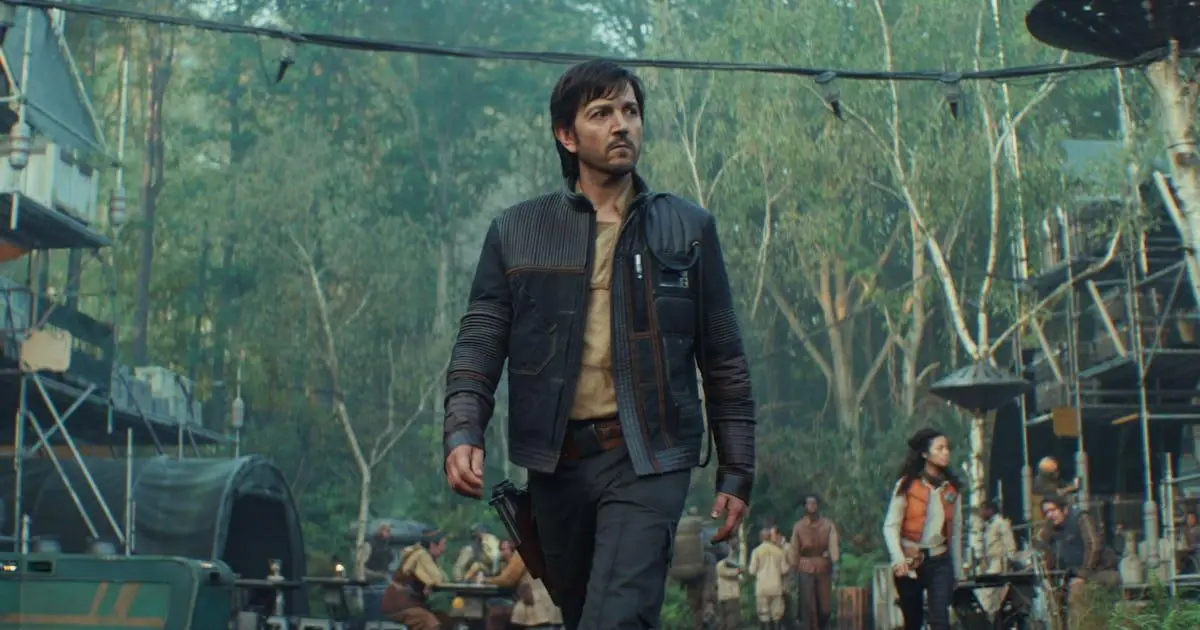
In a daring departure from its iconic lineage, *Andor* reshapes the fabric of Star Wars mythology by elevating Cassian Andor, portrayed with depth and intensity by Diego Luna, to a nearly messianic figure within the rebel narrative. Tony Gilroy’s ambition to craft a ‘Star Wars Jesus’ challenges decades of Skywalker-centric storytelling, sparking fervent debate among fans and critics alike. As Cassian transforms from a disillusioned survivor into the embodiment of rebellion’s moral core, the series tantalizes with mythic undertones as characters whisper of his destiny. This creative leap redefines his ultimate sacrifice in *Rogue One*, oscillating between being hailed as a refreshing evolution or critiqued as a mere symbolic echo of the past. The series situates itself at a crossroads, questioning if Star Wars can truly step away from its legacy while tantalizingly pointing toward an uncertain future. Dive into *Andor’s* provocative narrative and explore whether the galaxy’s stories are destined for repetition or revolution.
#StarWars #Andor #CassianAndor #MessianicJourney #TonyGilroy #DiegoLuna
Quick Takeaways:
- Andor breaks away from Star Wars’ traditional focus on the Skywalker family.
- Cassian Andor is presented as a symbolic figure challenging old ideas of destiny.
- The show raises questions about whether Star Wars truly moves forward by introducing a new "Chosen One."
- Fans and critics are divided on the show's mythic framing of Cassian’s journey.
A Galaxy Without Skywalkers
For years, Star Wars storytelling has revolved around the Skywalker family, a saga built on prophecy, bloodlines, and the potential for redemption. With Andor, that structure is set aside. Rather than tracing family heritage or fulfilling ancient legacies, the series presents a grounded story of rebellion, focusing on individuals without Force powers or regal last names.
Reframing Cassian’s Role
Tony Gilroy, the creator behind Andor, made a deliberate choice to give Cassian Andor a more symbolic role. In several interviews, he’s described Cassian as a kind of “Star Wars Jesus” — a man defined not by lineage, but by self-sacrifice and moral clarity. Diego Luna’s portrayal lends Cassian quiet intensity, showing a man transformed from a skeptic into someone who comes to stand for something larger than himself.
A Mythic Shift
This version of Cassian doesn’t carry lightsabers or speak prophecies, but he's still framed through a spiritual lens. A scene from the upcoming second season reportedly involves a healer referring to Cassian as “a messenger”—a moment some interpret as a sign that destiny is no longer limited to those with famous surnames. Instead, it’s reimagined through conviction and sacrifice.
The Meaning of Sacrifice Revisited
With Cassian’s arc ending in Rogue One, some fans see his journey as gaining new significance in hindsight. His final act — giving his life for the Rebellion — now echoes a larger, near-religious narrative. This addition creates both intrigue and division: does Star Wars remain stuck in familiar storytelling patterns, or is it attempting something new through the ordinary becoming extraordinary?
Redefining Legacy
Andor invites an important question: can Star Wars evolve without falling back on chosen ones, saviors, and destiny-bound heroes? Or is the franchise simply replacing one myth with another? Cassian Andor’s story raises the possibility of a different kind of hero — one defined by choices, not fate — though whether this is a real break from tradition or just a repackaged idea depends on how future stories unfold.
Frequently Asked Questions
Why is ‘Andor’s ending being called controversial?
The ending of ‘Andor’ sparked debate because of its intense themes, bold storytelling choices, and character arcs that challenge traditional Star Wars tropes. Some viewers saw it as unusually dark and politically charged compared to other entries in the franchise.
What does Tony Gilroy mean by calling Cassian Andor a ‘Star Wars Jesus’?
Tony Gilroy referred to Cassian Andor as a ‘Star Wars Jesus’ to emphasize the character’s sacrifice and transformation into a symbol of hope and resistance. It’s a metaphor highlighting Cassian’s spiritual and revolutionary journey.
How does ‘Andor’ differ from other Star Wars series?
‘Andor’ sets itself apart by focusing more on political intrigue, character depth, and a grounded portrayal of rebellion. Unlike other Star Wars projects, it leans heavily into mature themes and real-world parallels.
Is Cassian Andor being portrayed as a messiah figure in the series?
Yes, some interpret Cassian Andor’s role as a messiah figure due to his journey from disillusionment to self-sacrifice, echoing religious and mythological symbolism often found in storytelling.
Why did Tony Gilroy double down on ‘Andor’s ending?
Tony Gilroy defended the ending by stressing its importance in setting up rebellion themes leading into ‘Rogue One’. He believes the bold narrative choices are essential to telling a more honest and meaningful story within the Star Wars universe.
What is the significance of sacrifice in ‘Andor’?
Sacrifice is a central theme in ‘Andor’, illustrating how individuals must often give up everything—including their lives—for a greater cause. This mirrors the show’s focus on the early seeds of rebellion.
Will ‘Andor’ Season 2 continue the religious symbolism?
While not confirmed, it’s likely that ‘Andor’ Season 2 will build on the philosophical and symbolic undertones of Season 1, including messianic and resistance-related themes that reflect larger ideological struggles.
Filipino Translation:
For years, umiikot talaga ang kwento ng Star Wars sa Skywalker family — parang epic story siya na may prophecy, family legacy, at redemption arc. Pero sa Andor, nag-iba yung atake. May sarili siyang kwento — connected pa rin sa Star Wars universe, pero hiwalay sa Skywalker drama. Si Cassian Andor dito, halos ginagawa siyang parang messiah-type na character, kaya maraming fans and critics ang may kanya-kanyang comments lalo na sa ending ng series.
Si Tony Gilroy, na siya mismong utak sa likod ng Andor, talagang nag-risk sa pag-portray kay Cassian bilang parang "Star Wars Jesus" or a "messianic character" — ayun nga ang pagkakadescribe sa mga interviews. Kayang-kaya niyang lampasan yung pagiging cynical, tapos gusto niyang bigyan ng bagong meaning ang buong saga. Sobrang solid din kasi ng performance ni Diego Luna — from someone na parang hopeless survivor, naging central figure siya ng Rebellion, with that moral compass na feel mo totoo at sincere.
Tapos may scene sa second season na tinutukoy ng iba — parang may healer na nagsasabi kay Cassian na "a messenger" daw siya. Parang may sinasabi yun na guided ng fate o ng something bigger yung journey niya. Dahil doon, binibigyan ng deeper and mythological meaning yung ultimate sacrifice niya sa Rogue One. Yung iba, feel nila na ginagawa ulit si Cassian bilang "Chosen One", which makes sense daw sa Star Wars. Pero yung iba, parang sinasabi nila na parang same story lang ulit, pinalitan lang yung bida.
So ngayon, napapa-isip tuloy yung mga tao — kaya ba talagang mag-evolve ng Star Wars beyond sa family ties at destiny thing nila? Or ginagawa lang nila ulit yung messiah trope pero ibang version lang? Ayun ang tanong talaga ng Andor — fresh take ba ito, o same vibe lang with a new face?
Star Wars Jesus? Tony Gilroy Doubles Down On ‘Andor’s Controverisla Ending was first published here.