Tony Gilroy’s Cosmic Role: How ‘Andor’ Revolves Around Star Wars Narratives
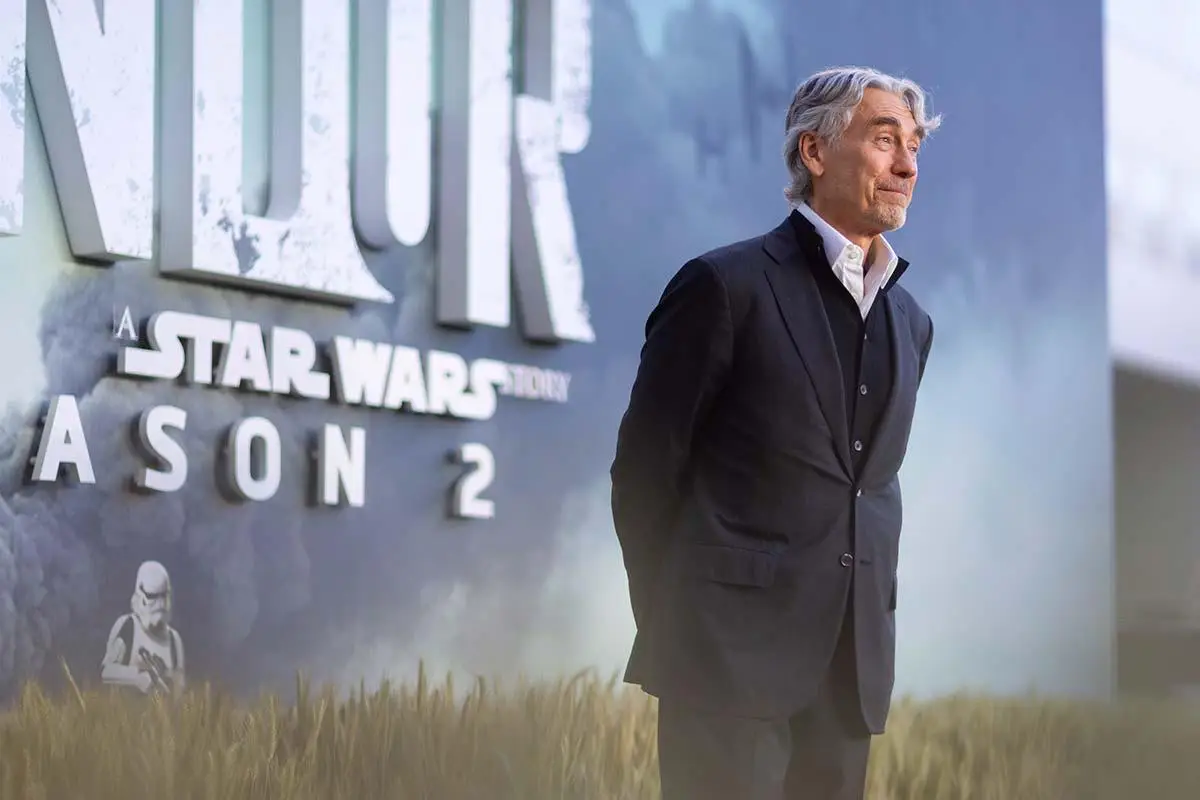
Tony Gilroy, the creative force behind “Andor,” dives into the philosophical and existential depths of the Star Wars universe, exploring the complex interplay between imperial power and rebellion. As he describes his role as being akin to ‘literally playing God,’ the daunting task of crafting this world involves not just orchestrating epic narratives and impressive visuals, but grappling with real-life themes of revolution, tyranny, and the personal sacrifices involved in the fight for justice. Gilroy’s commitment to authenticity means addressing uncomfortable truths and ensuring that the galaxy far, far away mirrors our own societal struggles, posing challenging questions about justice, sacrifice, and hope. Breathlessly intense, “Andor” extends the Star Wars franchise’s narrative frontiers, blending ambitious cinema with deep philosophical commentary, placing Tony Gilroy and his team in the spotlight with fourteen Emmy nominations. Dive into the acclaimed series that refuses to shy away from the dark truths of humanity’s struggles, and experience a tale that transforms every creative decision into a reflection of our world.
#StarWars #Andor #TonyGilroy #Revolution #Storytelling #SciFi
Quick Takeaways:
- Andor pushes Star Wars storytelling into heavier philosophical territory.
- Tony Gilroy treats the creative responsibility with seriousness, comparing it to playing God.
- The show doesn't shy away from politics, touching directly on themes of tyranny, resistance, and personal sacrifice.
- Gilroy’s emotional and creative investment in the series was total—he lived inside the world he helped build.
- Andor’s critical success, including 14 Emmy nominations, reflects its bold approach to storytelling.
Crafting a World Beyond the Surface
For Tony Gilroy, shaping Andor meant more than structuring a plot or designing compelling visuals. The creative process demanded a deeper examination of belief systems, control, and resistance. Describing the experience as "literally playing God," Gilroy openly emphasized the weight and responsibility of shaping a fictional galaxy with real emotional stakes. The dynamic between a rising rebellion and an entrenched empire required more than action set pieces—it demanded moral focus and clear stakes, unafraid to challenge the audience's comfort zones.
Storytelling with Substance
Andor positions itself far from being just another space epic. Instead of relying solely on spectacle, the series leans into the emotionally taxing and politically charged aspects of revolution. Gilroy stated, “If you’re going to do it, you should really go for it, you should talk about all of it,” signaling his commitment to truthfully portraying the costs of resistance. The show orbits around lived experiences of injustice—how individuals resist or collapse under authoritarian pressure. Concepts like sacrifice and hope aren't treated as clichés but are wrestled with, unpacked, and questioned.
Living the Story
Gilroy wasn’t just a writer or director on Andor—he existed inside it during the production. He said there was “no life outside of it,” reflecting how consuming the experience was. Each decision, from dialogue to set detail, carried a sense of urgency and responsibility. He didn’t view the galaxy as distant fantasy but as a recognizable mirror, where complex characters make choices that echo real-world dilemmas.
A New Direction for the Franchise
The results of this challenging approach speak for themselves. With fourteen Emmy nominations and wide critical respect, Andor stands apart within the Star Wars lineup. Gilroy and his creative collaborators made room for mature themes while still honoring the essence of the franchise. Their work expanded its storytelling limits, demonstrating that even within a long-running saga, there’s still space—narratively and emotionally—to try something different.
Frequently Asked Questions
Who is Tony Gilroy and what is his role in ‘Andor’?
Tony Gilroy is the creator and showrunner of ‘Andor’, a ‘Star Wars’ series focused on the origins of rebel spy Cassian Andor. He is responsible for overseeing the show’s creative direction, writing, and production.
Why did Tony Gilroy describe working on ‘Andor’ as “playing God”?
Tony Gilroy used the phrase “playing God” to describe the massive creative control and responsibility involved in building a new corner of the Star Wars universe from scratch. It highlights the intensity and scope of crafting an original story within a beloved franchise.
Is ‘Andor’ connected to other Star Wars shows or movies?
‘Andor’ is a prequel to the film ‘Rogue One: A Star Wars Story’, focusing on Cassian Andor’s journey toward becoming a rebel hero. While it stands on its own narratively, it expands the canon by deepening connections to the larger Star Wars timeline.
What makes ‘Andor’ different from other Star Wars series?
‘Andor’ stands out for its grounded storytelling, character development, and political complexity. It focuses more on everyday people in the Star Wars universe, rather than Jedi or Sith, giving it a unique tone.
How many Emmy nominations did ‘Andor’ receive?
‘Andor’ received multiple Emmy nominations across several categories, recognizing its writing, production, and cinematic quality. These nominations affirm its critical success within the television industry.
How did Tony Gilroy approach storytelling in ‘Andor’?
Tony Gilroy approached ‘Andor’ with a focus on realism, complexity, and mature themes. He aimed to tell a story about resistance and rebellion through the lens of believable, fully developed characters.
Filipino Translation:
Sure! Here's the Taglish translation, crafted to sound casual and conversational while staying faithful to the original meaning:
Ang paggawa ng Star Wars series, hindi lang basta-basta tungkol sa plot o special effects—lalo na para kay Tony Gilroy, na sobrang particular sa mga philosophical na bagay. Nung nag-reflect siya sa role niya sa Andor, sinabi niyang parang “literally playing God” yung buong world-building process—gan’n kalaki yung control at pressure na kasama sa pag-shape ng isang lipunan na caught between imperial power at rebellion. Pero ‘di lang ito technical challenge—pinapasok din nito yung mga existential questions, kaya bawat creative decision may bigat talaga sa loob ng Star Wars universe.
Para kay Gilroy, hindi lang basta spectacle ang Andor; gusto talaga nitong i-connect sa mga totoong tema—minsan unsettling pa nga—tungkol sa revolution at tyranny. Sabi nga niya, "If you’re going to do it, you should really go for it, you should talk about all of it," na nagpapakita kung gano ka-importante ang buong galaxy bilang allegory at warning. Yung mga tema ng oppression, authoritarianism, at personal sacrifice, hindi lang pampadagdag sa genre—relevant talaga siya sa real life. Parang invitation siya para sa audiences na i-rethink yung mga pananaw nila sa justice, sacrifice, at hope. Sobrang intense ng storytelling kaya hindi mo rin siya basta-basta mawala sa isip—sabi pa ni Gilroy, “there was no life outside of it,” kasi araw-araw siyang immersed sa story ni Cassian, yung Rebellion na nagsisimula pa lang, at sa buong Star Wars legacy.
With fourteen Emmy nominations at mapapansin mo rin na ang daming positive feedback dahil sa lakas ng vision ng show, Andor really pushed the boundaries ng Star Wars storytelling. Si Gilroy, kasama ng mga partners niya, hindi lang basta nag-expand ng franchise—nilagyan pa nila ng malalim na philosophical meaning while making it look and feel cinematic.
“We Were Literally Playing God”: Tony Gilroy On Building The Emmy-Nominated ‘Andor’ & The All-Consuming Art Of ‘Star Wars’ was first published here.