Andor Broadens Rogue One’s Vision of Rebellion
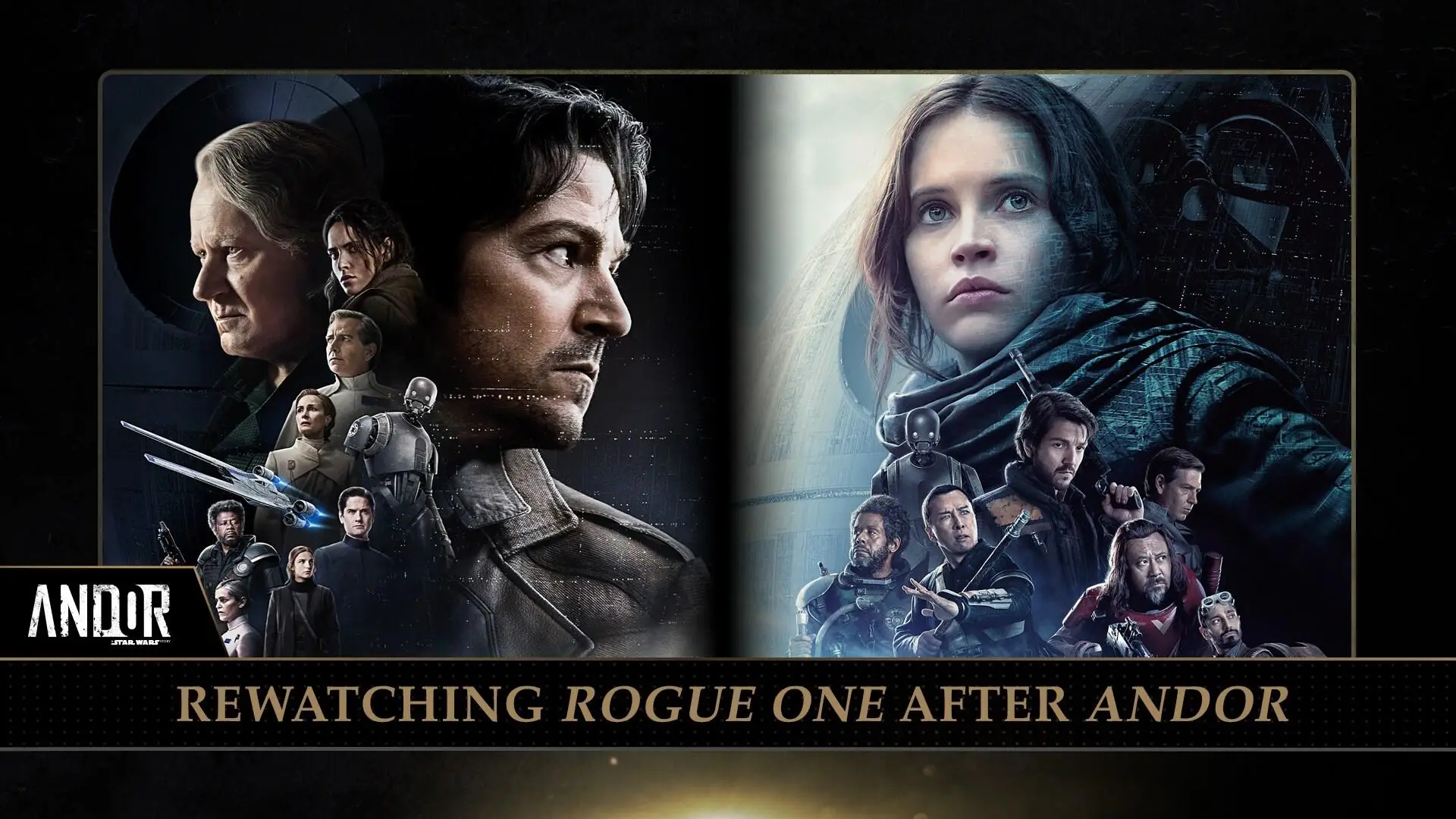
In the gripping narrative expansion of Andor, the series delves deeper into the Star Wars universe, unearthing the sinister machinations of the Empire that fuel their path to tyranny, far beyond the immediate struggles of Rogue One’s heroes, Jyn Erso and Cassian Andor. As viewers are drawn into the haunting desolation of Ghorman, a planet ravaged for its riches and subjugated by relentless imperial ambitions, they encounter the unrelenting exploitation and violence that underscore the construction of the galaxy’s most notorious weapon, the Death Star. Steering away from iconic Sith Lords and imposing Grand Moffs, the series breathes life into figures like Dedra Meero, whose ambitions and trepidations stoke the relentless cogs of oppression. Absent yet ever-present, the shadow of Grand Moff Tarkin looms large through whispered tales of atrocities, such as the Ghorman massacre, symbolized by a poignant memorial in Palmo’s plaza. As the echoes of resistance amplify through poignant lines and vivid revolt, Andor invites audiences to explore the depths of the Empire’s cruelty and the sparks of insurgency it incites. Will you delve into the intricacies of imperial brutality and the rebellious fervor it ignites within oppressed souls across the galaxy? #AndorSeries #StarWarsSaga #GalacticEmpire #ResistanceRising #RogueOne
Quick Takeaways:
- Andor expands Rogue One’s world by exposing the Empire’s broader patterns of destruction.
- Ghorman serves as a chilling example of the Death Star’s cost, both in lives and resources.
- The story emphasizes bureaucratic enablers like Dedra Meero, shifting focus from iconic villains.
- Rogue One’s warning—“This town, it’s ready to blow”—echoes across the galaxy.
Expanding the View Beyond Rogue One
Where Rogue One concentrated on the personal journeys of Jyn Erso and Cassian Andor, Andor widens the scope to show how the galaxy suffers under imperial control long before the events of Scarif. This deeper context reveals the crushing weight of the Empire’s methods—economic, political, and military—and reframes moments in Rogue One as symptoms of an ongoing, repeating cycle of oppression.
Ghorman's Place in the Star Wars Timeline
The series introduces Ghorman—a planet ravaged by the Empire’s industrial hunger. The resource extraction and human toll depicted here connect directly to the massive scale required to build the Death Star. The article notes, "After all, you have to kill planets to build a planet killer." That line exposes how Jedha’s eventual destruction isn’t random or isolated—it follows a long line of Imperial abuses. Events on Ghorman feel even more chilling when viewed as practice runs for larger catastrophes.
Beyond Sith and Superweapons: Faces of Imperial Enforcement
Instead of returning to familiar faces like Vader or Tarkin, Andor highlights seemingly ordinary figures like Dedra Meero—those who implement tyranny from behind desks and inside briefing rooms. These characters offer a look at how the Empire functions day-to-day. Though Tarkin doesn’t appear on screen, his influence remains evident. The statue in Palmo’s plaza commemorating the victims of the Ghorman massacre serves as a haunting symbol of his tactics, revealing how power is often wielded quietly before it shows its teeth.
Carrying Rogue One’s Themes Forward
Rogue One’s tense moments—especially “This town, it’s ready to blow”—resonate more deeply after Andor. Struggles are not confined to a single city, moon, or planet; they stretch across space, linked by injustice and mounting resistance. By layering these events and people across time, Andor turns Rogue One into one story among many—part of a history of rebellion shaped by the Empire’s repeated trespasses.
Frequently Asked Questions
How does Andor change the way we view Rogue One?
Andor deepens the backstory of Cassian Andor, adding emotional context and personal stakes that reframe his actions in Rogue One. It turns him from a mysterious rebel agent into a fully developed character with a complex journey.
What key themes from Andor carry into Rogue One?
Andor introduces themes like moral ambiguity, personal sacrifice, and systemic oppression, which continue directly into Rogue One. These themes help viewers better appreciate the darker and more grounded tone of the movie.
Should you watch Andor before Rogue One?
Watching Andor first provides a richer understanding of Cassian’s motivations and the early rebellion’s struggles, making Rogue One more impactful. However, Rogue One can still be enjoyed without prior knowledge of Andor.
What do we learn about the Rebel Alliance in Andor that affects Rogue One?
Andor shows the fractured and chaotic beginnings of the Rebellion, highlighting political divisions and internal conflicts. This context makes the unified effort in Rogue One feel more hard-earned and significant.
Does Andor change how we see Cassian Andor’s sacrifice in Rogue One?
Yes, after seeing Cassian’s character development in Andor, his ultimate sacrifice in Rogue One feels more meaningful and heroic. It shows how far he’s come from a reluctant insurgent to a committed freedom fighter.
Are any other Rogue One characters featured in Andor?
While Andor primarily focuses on Cassian, the series introduces characters and factions that connect to figures from Rogue One, expanding the universe and adding depth to familiar storylines.
How does Andor’s tone influence the perception of Rogue One?
Andor’s more mature, introspective tone repositions Rogue One as a natural continuation of a gritty, character-driven story. It shifts the narrative from a standalone war film to the emotional climax of a larger journey.
Filipino Translation:
Okay, here's the Taglish translation of the given text, following your analysis guidelines and using a casual, conversational tone:
Sa Andor, parang ni-reimagine nila kung paano natin tinitingnan ang Rogue One — hindi lang tungkol kina Jyn Erso at Cassian Andor, kundi tungkol din sa mas malawak na picture kung gaano ka-grabe ang pang-aabuso ng Empire. Sa Rogue One, pinalabas na parang symbol ng protest at occupation ang Jedha. Pero sa Andor, pinakita rin yung Ghorman — parang warning sign na ‘to, na kahit before pa, sinimulan na ng Empire ang pag-exploit ng ibang planeta, kukunin lahat ng resources, tapos wala na silang pake kung may masira o mamatay. Sabi nga sa article, "After all, you have to kill planets to build a planet killer," — para lang mabuo yung Death Star, kailangan muna nilang sirain yung iba. Ibig sabihin, ‘di lang si Jedha ang biktima, hindi rin ito accident lang — part ‘to ng bigger system ng violence at pang-aabuso.
Tapos, imbes na mag-focus sa mga classic bad guys like Sith Lords or mga Grand Moffs, like si Tarkin, binigyan ng spotlight yung characters gaya ni Dedra Meero — siya yung nagpapagana ng oppression sa Empire. Kahit ‘di lumabas si Grand Moff Tarkin, ramdam mo pa rin influence niya — especially nung na-mention yung Ghorman massacre, na may statue pa nga sa Palmo's central plaza para doon. Ang galing kasi through these so-called “side characters,” mas lalong naging intense yung atmosphere at mas naging klaro kung gaano ka-brutal yung Empire.
At dahil dito, ‘yung line sa Rogue One na, "This town, it's ready to blow," parang hindi lang yun para sa isang lugar — parang echo na siya ng lahat ng rebelasyon at paghihimagsik sa buong galaxy dahil sa sobrang pang-aabuso ng Empire.
7 Ways Andor Changes How We Watch Rogue One: A Star Wars Story was first published here.