Reevaluating the Enduring Appeal of the Star Wars Prequels
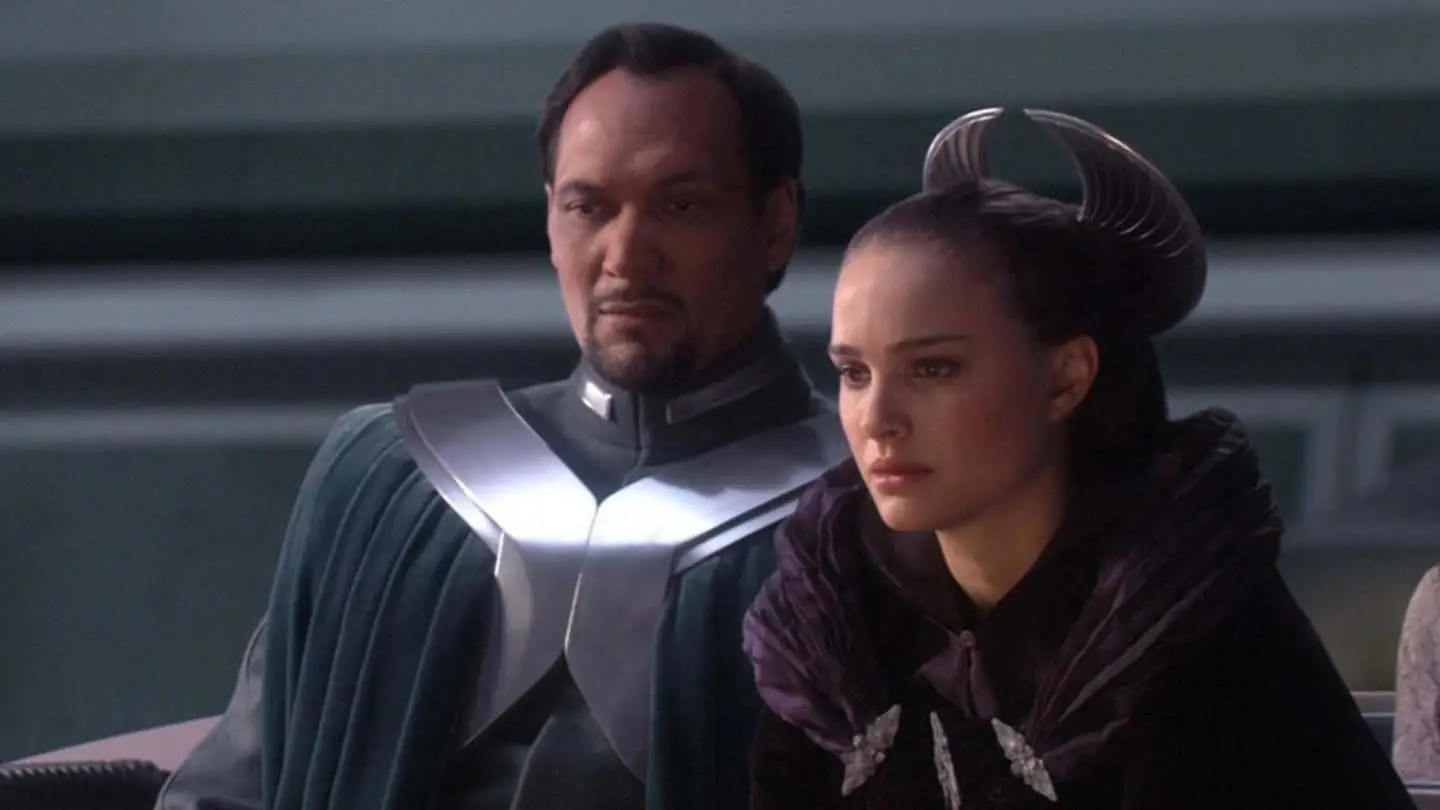
Once scorned for their clunky dialogue and controversial characters, the Star Wars prequels have emerged from the shadows of criticism, gaining fresh appreciation from Millennials and Gen Z who see them as vibrant beacons of sprawling world-building and thematic complexity. This trio of films, once lambasted by fans, is now lauded for its intricate portrayal of galactic politics and the tragic transformation of Anakin Skywalker, offering a richly detailed expansion of the Star Wars universe. As younger generations embrace the prequels with a wave of nostalgia, these cinematic gems find themselves revitalized through memes, fan communities, and spirited debates that shine a new light on George Lucas’s visionary storytelling. But how did these once-maligned movies evolve into cultural treasures? Discover the captivating journey of rediscovery and transformation that highlights the changing tides of fandom.
#StarWarsPrequels #NostalgiaFactor #GalacticPolitics #MovieReevaluation #CinematicTransformation
Quick Takeaways:
- The Star Wars prequels are gaining new recognition after years of criticism.
- Millennials and Gen Z have played a central role in changing how the films are viewed.
- Political themes, expansive storytelling, and a consistent narrative are now seen as strengths.
- Online culture, nostalgia, and critical reevaluation continue to shape the conversation.
A Rough Start
Upon release, the Star Wars prequel trilogy—The Phantom Menace, Attack of the Clones, and Revenge of the Sith—did not receive the warmest welcome. Critics and longtime fans pointed out clunky dialogue, inconsistent acting, and characters that split opinion, like Jar Jar Binks. Many felt that these entries failed to match the original trilogy’s emotional impact or pacing.
A Changing Perspective
Over time, the outlook has shifted. Viewers who were children or teenagers when these films debuted are now adults—and they’re bringing fresh attention and appreciation to them. In contrast with the more recent sequel trilogy, the prequels are now often seen as having a more focused and cohesive storyline. Elements that were once mocked are being reevaluated, and former complaints are giving way to new admiration.
Bigger Picture Storytelling
What once attracted criticism is now being recognized as part of a larger, carefully constructed narrative. Rather than follow a simple clash between good and evil, these films explore the gradual collapse of a government, the manipulation of entire systems, and the emotional breakdown of a central figure—Anakin Skywalker. The focus on expanding the galaxy with new planets, cultures, and political layers has helped many fans see the trilogy in a new light.
The Role of Online Culture
Younger generations have also contributed to reshaping the public conversation through memes, video essays, and online discussions. What was previously dismissed is now central to a growing online celebration of the prequels. For many, these movies are closely tied to childhood memories and early theater experiences. That nostalgic connection has encouraged a more favorable look at their creative decisions.
A Story Rediscovered
The evolving response to the prequel trilogy is an example of how opinions about art can shift with time and audience. What was once commonly criticized is now being appreciated by new voices who see value in its ambition and distinctive storytelling. The prequels have found their place as more than just a footnote in the Star Wars timeline; they’re a meaningful chapter for old and new fans alike.
Frequently Asked Questions
Why do some fans believe the Star Wars prequels are underrated?
Many fans argue the prequels are underrated because of their complex storytelling, deeper political themes, and the way they expand the Star Wars universe. They also appreciate the character arcs and connections to the original trilogy.
What are some strengths of the Star Wars prequel trilogy?
The prequels excel in world-building, show the rise of the Empire, and explore the fall of Anakin Skywalker in depth. They also introduce memorable characters like Obi-Wan Kenobi and Padmé Amidala, and set up crucial events for the saga.
Did the Star Wars prequels influence future sci-fi films?
Yes, the Star Wars prequels influenced modern sci-fi with their advanced digital effects, large-scale political storytelling, and bold narrative risk-taking. Their use of CGI was groundbreaking for early 2000s cinema.
Is the criticism of the Star Wars prequels still valid today?
Many criticisms have softened over time as new generations of fans reevaluate the films. While some flaws in dialogue and pacing remain, the themes and story arcs are now more appreciated by audiences.
How do the prequels connect to the original Star Wars trilogy?
The prequels set the stage for the original trilogy by showing how Anakin becomes Darth Vader, the rise of the Empire, and the extinction of the Jedi. They provide crucial backstory for characters like Obi-Wan and Palpatine.
Why has public opinion about the Star Wars prequels changed?
Public opinion has shifted due to nostalgia, reevaluation by younger fans who grew up with the prequels, and comparison to newer films in the franchise. Many now see their storytelling depth and emotional core in a more positive light.
Filipino Translation:
For years, sobrang daming hate talaga na nareceive ng Star Wars prequels—The Phantom Menace, Attack of the Clones, at Revenge of the Sith. Ang daming nagsasabi na ang awkward ng dialogue, medyo flat ang acting, at may mga characters na super divisive, like si Jar Jar Binks. Pero habang tumatagal, parang nababago na 'yung tingin ng tao sa kanila, lalo na kasi mas ina-embrace na siya ng younger generations—lalo na kung ikukumpara mo sa sequel trilogy na may sarili ring share of criticism.
Ngayon, mas na-appreciate na 'yung prequels—grabe kasi 'yung world-building nila at kung paano siya nag-expand sa buong Star Wars universe. 'Di lang siya basta tale of good vs evil, pero pinakita din niya 'yung mas komplikadong side ng galactic politics, kung paano unti-unting bumagsak 'yung Republic, at 'yung transformation ni Anakin Skywalker. Sobrang daming bagong planets, factions, at iba't ibang alien cultures na dinagdag, kaya naging mas wide ang reach ng trilogy. At kung tutuusin, mas coherent pa nga 'yung overall story niya kung ikukumpara sa direction na tinake ng sequel trilogy.
Ang shift na ‘to sa pananaw, mostly galing talaga sa Millennials at Gen Z na lumaki sa panahong 'yon. Isa na rin siguro sa reason 'yung nostalgia nila, tapos ngayon mas na-aappreciate na nila siya. 'Yung mga memes, fan communities, at critical discussions sa online world, lahat 'yan nakatulong para mas gumanda ang tingin ng mga tao sa movies. Nakakatawa lang kasi dati binabash siya, pero now, parang people see how creative and ambitious the prequels really were—plus, may unique vision siya coming from George Lucas mismo.
Sa totoo lang, 'yung patuloy na pag-uusap about the prequels reminder lang na kahit anong story or cultural thing, puwedeng ma-rediscover at makita in a different light habang nagpapalit-palit ang generation—iba-iba rin kasi tayo ng experience, diba?
The Star Wars prequels are way better than they get credit for was first published here.