The Book of Henry’s Impact on Star Wars: A Shift Behind the Scenes
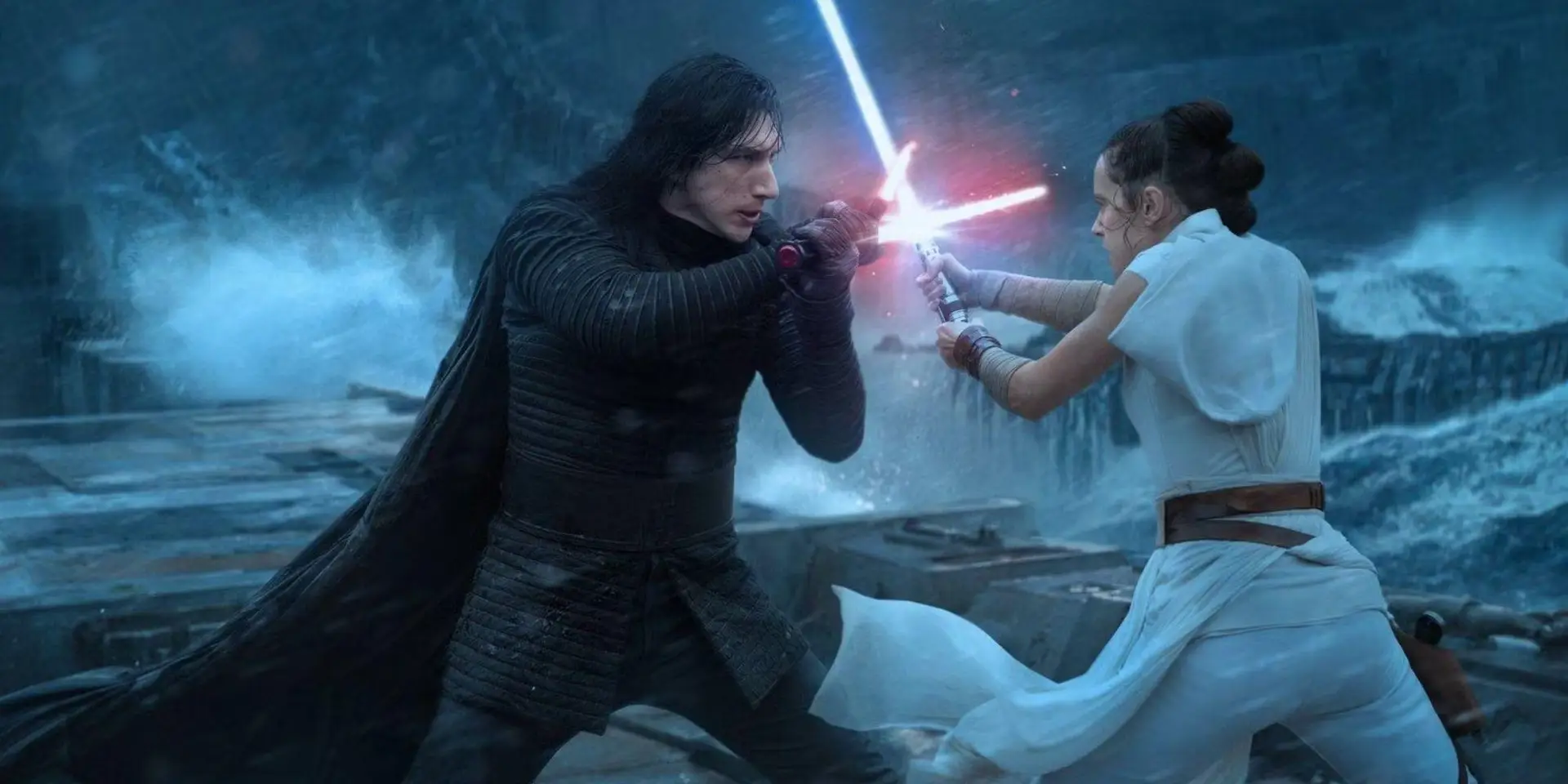
In the fiercely contested world of blockbuster filmmaking, the departure of Colin Trevorrow from Star Wars: Episode IX unveils a gripping saga of creative clashes and industry intrigue, set against the backdrop of his film The Book of Henry’s poor critical reception. Initially hailed as the visionary behind the saga’s climactic installment, Trevorrow’s ousting was precipitated more by creative disputes and problematic screenplay revisions than box office failures. His ambitious version of Episode IX, Duel of the Fates, has since fueled fan debates, drawing sharp contrasts with J.J. Abrams and Chris Terrio’s The Rise of Skywalker, especially regarding the complex arcs of Rey and Kylo Ren. This turmoil underscores the delicate dance between visionary storytelling and the often conservative nature of franchise management, offering a fascinating lens into the behind-the-scenes dynamics that can sway even the most iconic of cinematic legacies. As the story unfolds, questions linger about what might have been and the true weight of creative differences shaping Hollywood’s biggest franchises. Dive into this captivating narrative that reveals the intricacies of narrative creation within the legendary Star Wars universe, leaving fans to ponder the saga’s alternate realities.
#StarWars #BlockbusterDrama #DuelOfTheFates #CinemaIntrigue #CreativeDifferences #HollywoodSaga
Quick Takeaways:
- Colin Trevorrow was originally set to direct Star Wars: Episode IX but was replaced before production.
- The poor reception of The Book of Henry contributed to industry concerns about his leadership.
- Creative differences and script issues were primary reasons for his departure.
- Trevorrow’s early script, Duel of the Fates, gained attention online, with fans contrasting it against the final release, The Rise of Skywalker.
- Despite being replaced, Trevorrow and co-writer Derek Connolly received story credit on the finished film.
Shifting Directors in a Major Franchise
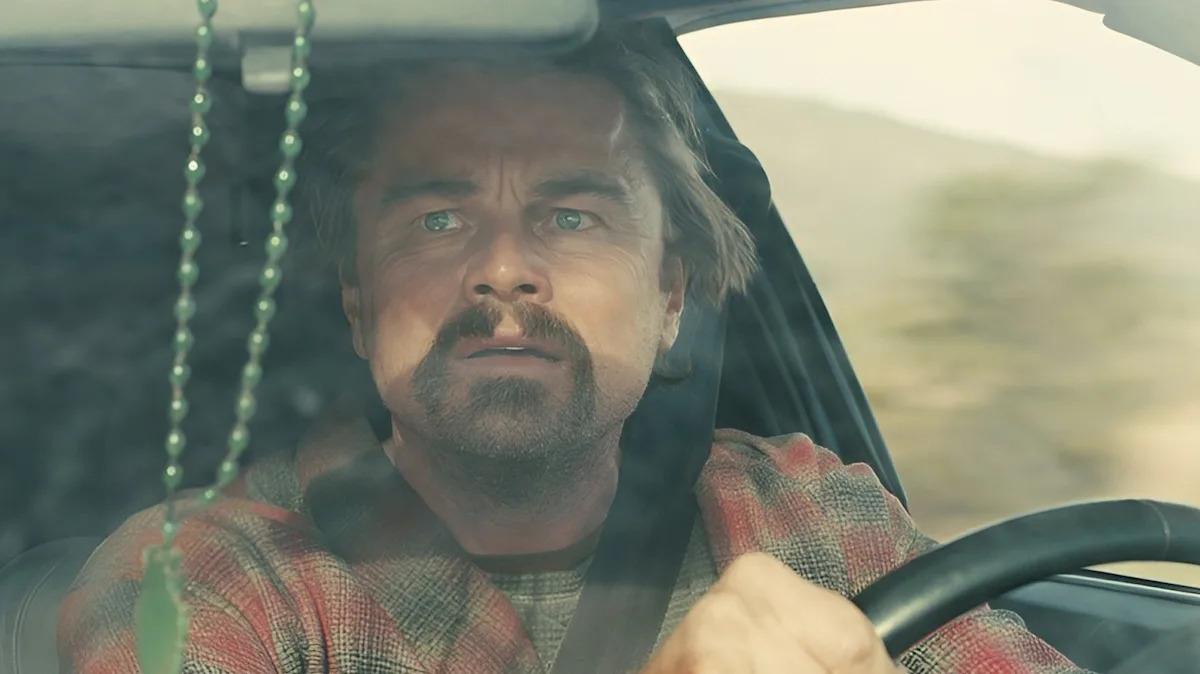
When Colin Trevorrow was announced as the director for Star Wars: Episode IX in 2015, expectations were high. Known for his success with Jurassic World, he seemed like a fitting choice to conclude the sequel trilogy of one of cinema’s most iconic franchises. However, things began to change after his 2017 film The Book of Henry struggled at the box office and received sharp criticism. Industry insiders say that the negative response to the film raised alarms at Lucasfilm.
Script Troubles and Creative Disagreements
Though The Book of Henry's failure drew attention, sources close to the production say Trevorrow’s exit stemmed more from ongoing issues with the screenplay. Before officially parting ways with Trevorrow, Lucasfilm had already brought in writer Jack Thorne to overhaul the script. Reports suggest that creative differences between Trevorrow and Lucasfilm executives proved too persistent to overcome, leading to his removal later that year.
An Alternate Vision: Duel of the Fates
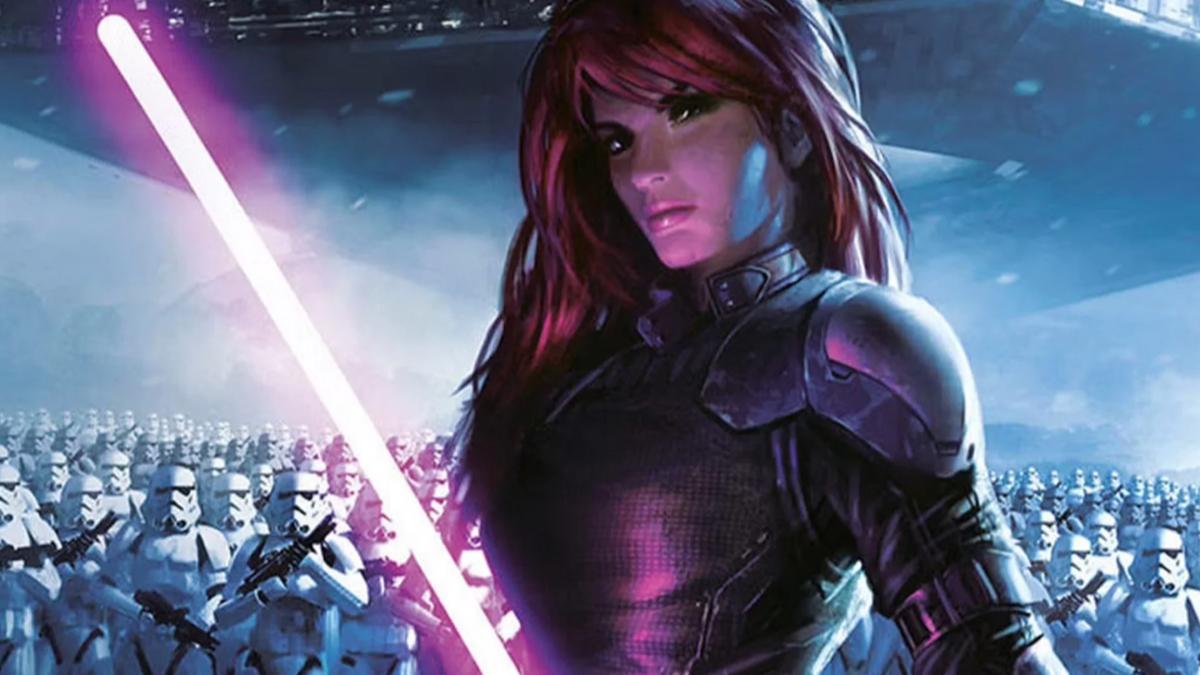
After his departure, details of Trevorrow’s original script, written with longtime collaborator Derek Connolly, began to circulate. Titled Duel of the Fates, the screenplay painted a very different picture of how the saga might conclude. Elements such as a stronger arc for Rey and a more nuanced development of Kylo Ren stood out to many readers. The script’s leak sparked widespread debate among fans, with some preferring its direction to the released version, The Rise of Skywalker, which was co-written and directed by J.J. Abrams.
Final Recognition on the Finished Film
Although Trevorrow did not direct the final film, both he and Connolly were credited for their contributions to the story. The circumstances surrounding Episode IX reflect the broader pressures that directors face when working within large franchises, where storytelling ambitions must often align with studio expectations. Trevorrow’s experience exemplifies how quickly creative momentum can shift in high-budget filmmaking, especially when past work influences a studio’s confidence moving forward.
Frequently Asked Questions
Why did The Rise of Skywalker fail with audiences and critics?
The Rise of Skywalker struggled due to a mix of rushed storytelling, fan service, and inconsistent character arcs. Many fans and critics believe it tried too hard to correct The Last Jedi rather than tell a coherent story.
What is the 21% Rotten Tomatoes movie that influenced The Rise of Skywalker?
The 21% Rotten Tomatoes movie often referenced is Star Wars: The Rise of Skywalker’s own predecessor in spirit—Solo: A Star Wars Story. Its underperformance led Lucasfilm to play it safe with The Rise of Skywalker, impacting its creative direction.
Is the failure of The Rise of Skywalker linked to earlier Star Wars films?
Yes, the backlash to previous films like The Last Jedi and Solo created a reactionary environment that shaped The Rise of Skywalker. The filmmakers attempted to cater to divided fan groups, which led to a disjointed tone and inconsistent plot.
How did Solo’s failure affect Star Wars: The Rise of Skywalker?
Solo’s box office flop made Disney more cautious, influencing The Rise of Skywalker to avoid risks. This resulted in safe storytelling choices that lacked the emotional weight and originality fans hoped for.
What are fans saying is the real reason for The Rise of Skywalker’s failure?
Many fans now argue that the real reason for the movie’s failure is Lucasfilm’s overcorrection after Solo’s poor reception, leading to a lack of narrative confidence in The Rise of Skywalker. It prioritized fixing optics over delivering a compelling story.
Did overreliance on nostalgia hurt The Rise of Skywalker?
Yes, The Rise of Skywalker heavily leaned on nostalgia, bringing back Palpatine and revisiting older themes without organic buildup. This approach felt forced to many, detracting from the film’s originality and emotional stakes.
Filipino Translation:
So ayun nga, sa mundo ng mga blockbuster movies, sobrang laki ng impact ng success o failure ng director sa future ng isang malaking franchise. Back in 2015, pinili si Colin Trevorrow to direct Star Wars: Episode IX. Pero after ma-release yung film niya na The Book of Henry noong 2017—na 'di talaga naging successful sa critics at sa box office—nagkaroon siya ng career issues. Dahil dun, lalo raw naging concern ang Lucasfilm, pero ang main reason kung bakit siya umalis was more about problems sa script at creative differences nila. May mga reports pa nga na nagsimula na daw ang Lucasfilm sa pag-rewrite ng script with Jack Thorne bago nila totally tinanggal si Trevorrow later that year.
Yung original script dapat ni Trevorrow for Episode IX, na ang title ay Duel of the Fates at co-written kasama si Derek Connolly, kumalat na among fans tapos ang daming discussions online tungkol dito. Para sa ibang fans, mas ambitious daw 'yung vision na ‘to compared sa final version na The Rise of Skywalker na gawa naman ni J.J. Abrams at Chris Terrio. Ang daming pagkakaiba, like sa development nina Rey at Kylo Ren, kaya hanggang ngayon, ongoing pa rin yung debate kung alin ba talaga yung mas okay na ending for the saga.
Kahit na naiba na yung movie, credited pa rin sina Trevorrow at Connolly for their story contributions sa finished film. Ipinapakita lang nito kung gaano ka-complicated ang balancing act between pagiging creative at pagiging safe sa industriya, lalo na pagdating sa mga sikat at malalaking franchises. Minsan talaga, isang movie lang ang kailangan para magbago ang buong direction ng isang iconic cinematic universe.
It’s Time for Star Wars Fans to Admit the Real Reason Rise of Skywalker Failed Is Because of This Forgotten 21% Rotten Drama was first published here.