The Mandalorian: Innovative Techniques that Redefined the Star Wars Saga
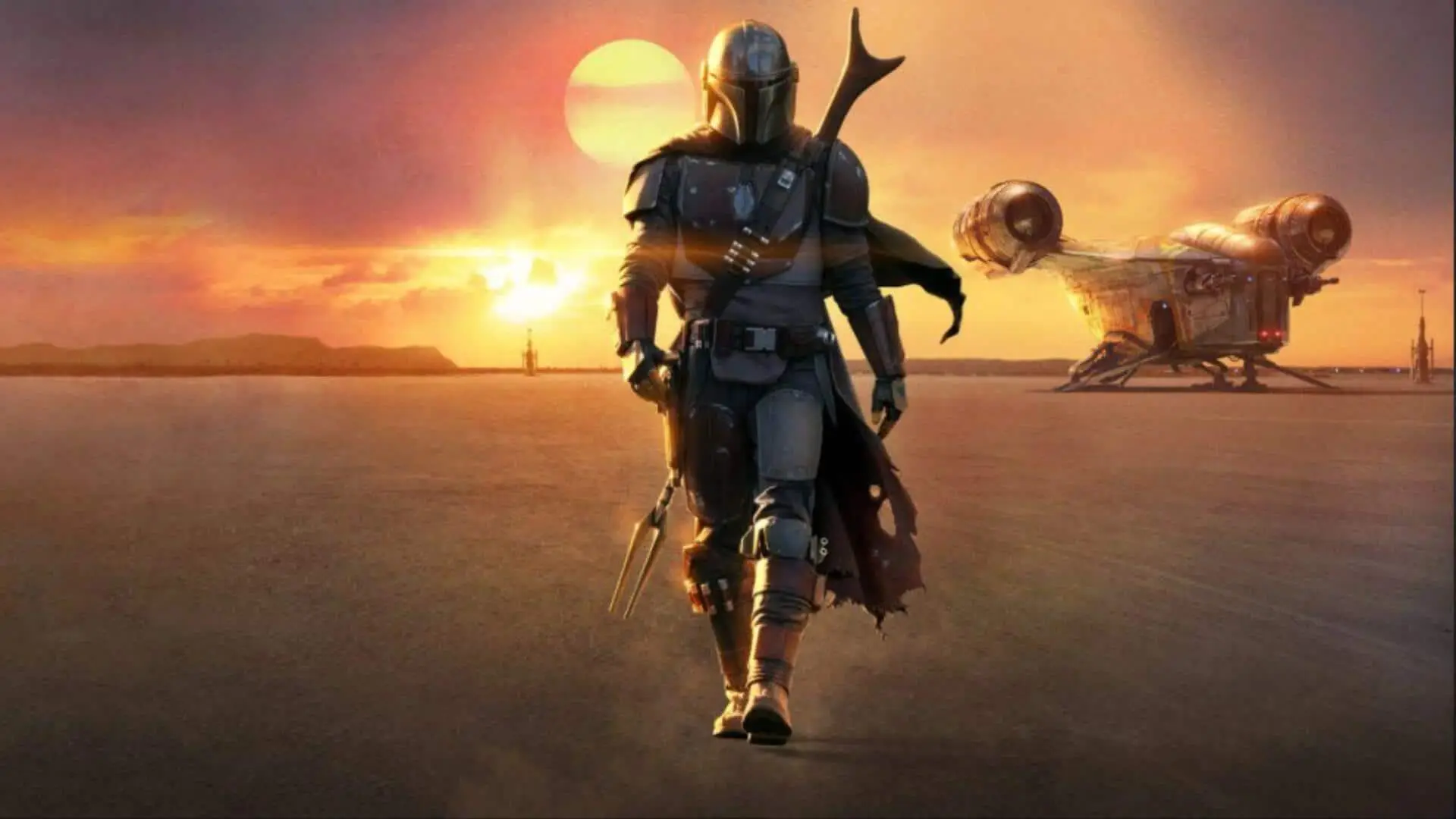
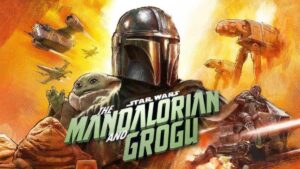
Step into the enthralling world of “The Mandalorian,” where the captivating presence of Grogu, affectionately known as Baby Yoda, steals the hearts of Star Wars fans worldwide. This beloved character’s magic lies in the hands-on artistry of animatronic puppetry, thoughtfully chosen by the show’s creators to evoke authentic emotion and enhance his lifelike charm on screen. Embracing the legacy of the original Star Wars trilogy, the series pays homage with its masterful blend of practical effects and cutting-edge technology, offering a visually stunning experience that feels both nostalgic and new. Journey through immersive landscapes brought to life by the groundbreaking StageCraft technology, enveloping actors in dynamic, real-time settings that heighten the show’s mesmerizing realism. Each episode is enriched by a diverse ensemble of visionary directors, who draw from the timeless allure of classic Western motifs, breathing fresh life into the Star Wars saga with tales of lone gunslingers and untamed frontier towns. This inventive approach, sparked by the dedication of a talented crew, weaves an enthralling new chapter in the Star Wars narrative. Discover how these creative marvels redefine storytelling in a galaxy far, far away.
#TheMandalorian #BabyYoda #StarWars #PracticalEffects #StageCraft #WesternInfluence
Quick Takeaways:
- Grogu (Baby Yoda) was brought to life through puppetry, not CGI.
- The show emphasizes physical props and practical effects.
- StageCraft technology helped create believable sets.
- The series draws inspiration from classic Westerns.
- A rotating team of directors added variety to storytelling.
Grogu Feels Real Because He Is
One of the emotional anchors of The Mandalorian is Grogu—popularly called Baby Yoda—a character portrayed through an animatronic puppet rather than computer graphics. A skilled team of puppeteers gave him lifelike expressions and gestures, which made him feel convincing and emotionally engaging on screen. This decision to go with puppetry reinforced a tactile quality that resonated with viewers.
Practical Effects Ground the Galaxy
In line with the traditions of the original Star Wars trilogy, the production focused on practical effects. Sets included hand-built props and physical elements that blended with digital enhancements when needed. This approach helped maintain a grounded feel and added texture across locations and action scenes.
A New Way to Build Worlds
The Mandalorian also incorporated StageCraft—a system of massive LED screens that display changing visual environments behind the actors while filming. These real-time backgrounds replace traditional green screens, allowing for more natural performances and lighting. Characters appear within complete environments as the scenes unfold, creating more convincing on-screen worlds.
Western Roots Run Deep
The tone and story structure borrow heavily from Western films. From lone gunslingers to remote desert outposts, familiar elements from old American Westerns help shape the narrative. This influence creates an atmosphere that feels both nostalgic and fresh, offering a unique twist on the Star Wars universe.
A Different Director, A Fresh Take
Across episodes, a variety of directors brought in distinct creative styles, bringing range and richness to the show's storytelling. This rotation added variety while staying true to the central characters and larger story arc. Each episode, while part of a broader narrative, offered its own personality.
A Team Effort Behind the Magic
Everything—from sophisticated puppetry to seamless digital backgrounds—came together through the work of skilled professionals. Whether behind the camera or inside a costume, the collaboration between departments allowed The Mandalorian to not only meet expectations but surpass them for many viewers. The result was a season that expanded the way Star Wars stories are told.
Frequently Asked Questions
What made ‘The Mandalorian’ so successful behind the scenes?
‘The Mandalorian’ succeeded thanks to cutting-edge technology, cinematic storytelling, and strategic creative decisions, like the use of StageCraft (The Volume) and minimalistic dialogue. These elements combined to deliver a fresh Star Wars experience.
How did StageCraft technology transform ‘The Mandalorian’ production?
StageCraft, also known as The Volume, allowed real-time virtual environments to be projected during filming. This eliminated the need for green screens and gave actors realistic lighting and surroundings, boosting visual quality and efficiency.
Why was casting Pedro Pascal as the Mandalorian a smart move?
Pedro Pascal brought a strong presence and depth to a character who rarely shows his face, making the Mandalorian both mysterious and relatable. His voice and physical performance helped humanize a masked bounty hunter.
How did Baby Yoda (Grogu) impact the show’s popularity?
Introducing Grogu captured audiences’ hearts and became a pop culture sensation overnight. His mysterious Force powers and bond with the Mandalorian added emotional depth and attracted a wider audience.
Who were the creative minds behind ‘The Mandalorian’?
Jon Favreau and Dave Filoni led the creative development of the show, blending new ideas with Star Wars lore. Their deep respect for the source material helped create a story that resonated with longtime fans and newcomers alike.
How did ‘The Mandalorian’ change the future of Star Wars storytelling?
The show introduced a smaller-scale, character-driven narrative that expanded the Star Wars universe beyond the Skywalker saga. Its success opened the door for more Disney+ series focused on different aspects of the galaxy.
Filipino Translation:
Grabe, ang saya ng mga Star Wars fans sa The Mandalorian, lalo na nung nakita si Grogu—aka Baby Yoda—na sobrang cute at parang totoong-totoo sa screen. Instead of using CGI, gumamit sila ng animatronic puppet na kino-control ng team ng puppeteers. Kaya ang daming expressions ni Grogu na sobrang nakaka-touch at feel mo talaga 'yung presence niya, parang andyan siya sa tabi mo.
One of the reasons kung bakit ang ganda ng visuals ng show is dahil priority talaga nila ‘yung practical effects, parang tribute na rin sa classic na Star Wars trilogy. As much as possible, real props at on-set effects ang ginamit nila, tapos sinamahan lang ng konting digital touches para mas authentic pa rin. Dahil dito, ang natural tingnan ng buong show – ang galing lang, nakaka-addict panoorin.
Tapos, gumamit pa sila ng StageCraft—sobrang game-changer na tech—na basically parang pinalilibutan nila ‘yung set ng giant LED screens na nagpapakita ng moving backgrounds in real time. Kaya ‘yung actors, feel na feel nila ‘yung environment habang nag-a-act sila. Ang lakas maka-immerse.
‘Yung storytelling din ng The Mandalorian nakaangat dahil sa mix ng iba’t ibang directors na may kanya-kanyang take at style. Iba-iba pero swak na swak sa vibe ng show. May halong classic Western feels, like ‘yung mga solo gunslingers at parang nasa frontier town setting – kaya may unique tone talaga ‘yung series.
Lahat ng creative choices na ‘to naging possible dahil sa dedication ng buong team—mula sa crew, puppeteers, hanggang sa mga actors. Sobrang passion-driven, kaya naman parang bagong chapter ito in Star Wars storytelling.
5 genius behind-the-scenes moves that made ‘The Mandalorian’ a hit was first published here.