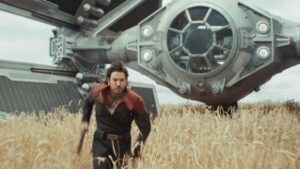
Star Wars Series Andor Impresses with Authentic Cinematography
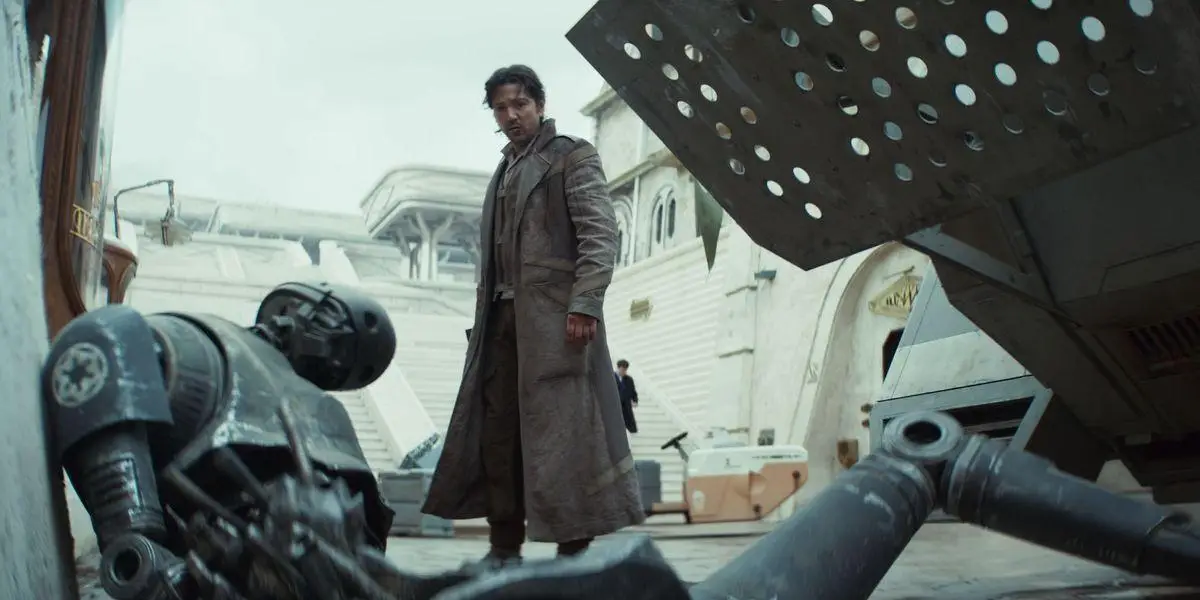
In the spellbinding world of Disney’s *Andor*, Season 2 not only advances its exhilarating narrative but dazzles with cinematographer Mark Patten’s visual mastery, crafting a universe where raw emotion meets striking realism. Known for his stunning work on acclaimed series such as *Taboo*, *Pennyworth*, and *Silo*, Patten illuminates episodes 7, 8, and 9 with scenes like the Ghorman massacre, which blend intimate character drama with expansive storytelling. His expert touch draws viewers into the rebels’ timeless struggle against oppression, where the visceral human experience often eclipses the futuristic saga, making audiences deeply empathize with the characters’ plights. Through exclusive insights from Patten himself, readers receive a window into his meticulous process and a glimpse of his invaluable cinematographic wisdom, raising anticipation for his innovative contributions. As the Star Wars universe is reimagined through Patten’s lens, fans are left pondering the profound depths visual storytelling can reach. To discover how Patten’s vision reshapes the galaxy as you know it, this captivating journey is just a click away.
#Andor #Cinematography #StarWarsUniverse #VisualStorytelling #RebelSaga #MarkPatten
Quick Takeaways:
- Cinematographer Mark Patten brings grounded realism to Andor’s second season.
- Episodes 7, 8, and 9 stand out for their visual intensity and emotional depth.
- The Ghorman massacre sequence highlights Patten’s ability to connect character with conflict.
- Patten draws from experience on series like Taboo and Silo to shape Andor’s cinematic tone.
Mark Patten’s Cinematic Touch in Andor Season 2
A Realistic Lens Meets Star Wars
In the second season of Disney's Andor, cinematographer Mark Patten brings a grounded look to the galaxy far, far away. His hands-on approach is evident in Episodes 7, 8, and 9 — widely recognized for their emotional tone and impactful visuals.
Known for his previous work on television dramas like Taboo, Pennyworth, Raised by Wolves, and Silo, Patten uses a darker, more grounded style to support the personal journeys of the protagonists. His visual direction creates a sense of immediacy, placing audiences not only in the scene but in the emotional lives of its characters.
Capturing Conflict and Emotion
A key example of Patten’s work is the Ghorman massacre, where he manages to balance large-scale tension with personal stakes. Viewers see both the unfolding disaster and the characters reacting to it in real time. These moments depend not just on angles and lighting but on composition that respects both the intensity of action and the quiet moments in between.
As Patten explains in the original interview, "The story of rebels fighting their galactic oppressors is timeless and universal, and it's executed here at such a granular, emotional, realistic level that, at times, the Star Wars of it all is almost secondary. You just really care about these people and their struggles."
Seasonal Influence, Personal Craft
Patten doesn’t just frame scenes — he shapes narrative through texture, tone, and restraint. For Andor, this means using natural lighting when possible, shooting handheld for immediacy, and prioritizing practical effects over digital ones. These choices help the story land with weight and resonance, especially in a series more focused on personal stakes than mystical elements.
Through his lens, Andor takes on a tone that feels more present and less staged, grounding the story in something recognizably human. That balance of scale and subtlety has helped Season 2 of Andor earn praise not just for plot, but for how it feels to watch.
Advice Through Experience
Patten’s insights from season two are a resource for those interested in learning how visual storytelling operates at scale, without losing focus on individual moments. His approach suggests that cinematography should live inside the story — serving the emotion and pacing, never overwhelming it.
For Star Wars fans and film followers alike, Patten’s work in Andor shows how thoughtful visuals can shape a galaxy already filled with drama, bringing it to the screen in ways that connect with audiences beyond the action.
Frequently Asked Questions
What cinematography techniques did Mark Patten use in ‘Andor’?
Mark Patten used a mix of natural lighting, intimate framing, and handheld camera movement in ‘Andor’ to create a grounded and immersive look that fits the show’s gritty tone. These techniques helped reinforce the realism and emotional depth of the Star Wars prequel series.
How does lighting contribute to the mood in ‘Andor’ cinematography?
Lighting in ‘Andor’ is often intentionally low and naturalistic, helping to build tension and realism. Mark Patten used shadows and practical light sources to enhance the emotional atmosphere and make each scene feel authentic.
What makes Mark Patten’s cinematography in ‘Andor’ unique?
Mark Patten’s cinematography stands out for its cinematic realism, with a focus on physical environments, natural light, and purposeful camera work. His approach blends art-house visual style with the grand scale of Star Wars storytelling.
How does camera movement enhance storytelling in ‘Andor’?
In ‘Andor,’ camera movement is often subtle but intentional, with handheld shots that follow characters closely to increase emotional connection. This approach adds tension and urgency, making viewers feel like part of the scene.
What lenses were used to create the look of ‘Andor’?
Mark Patten used large format lenses with shallow depth of field to give ‘Andor’ a cinematic, almost filmic appearance. This choice helped create a sense of depth and intimacy while maintaining clarity and focus on characters.
Why does ‘Andor’ look more grounded than other Star Wars shows?
‘Andor’ looks more grounded because Mark Patten emphasized real locations, practical lighting, and a restrained color palette. This visual style was designed to reflect the political tension and human struggles in the story.
Filipino Translation:
Disney's Andor sobrang kinagiliwan ng Star Wars fans dahil sa intense na story at unique na visuals. Sa Season 2, mas napansin 'yung work ng cinematographer na si Mark Patten—'yung style niya sobrang nakadagdag sa ganda ng visual storytelling ng series. Si Patten, na kilala rin sa mga sikat na shows like Taboo, Pennyworth, Raised by Wolves, at Silo, ang naka-handle ng episodes 7, 8, at 9—mga episode na super striking, both sa visuals and emotions.
Mas lalo pang umangat ang work niya sa mga complicated scenes, like 'yung Ghorman massacre. Sa part na 'yon, grabe 'yung cinematography—nabigyan ng lalim 'yung mga personal na moments ng characters habang tinutulungan din magkwento ng mas malawak na narrative. Sabi nga sa original interview, "The story of rebels fighting their galactic oppressors is timeless and universal, and it's executed here at such a granular, emotional, realistic level that, at times, the Star Wars of it all is almost secondary. You just really care about these people and their struggles."
Yung article mismo galing sa direct insights ni Patten, kung saan nag-share siya ng solid tips sa cinematography base sa naging approach niya sa Andor Season 2.
6 Cinematography Tips from Mark Patten’s Work on ‘Andor’ was first published here.