Why Star Wars Initially Protected Its Main Characters
In a galaxy far, far away, George Lucas crafted the timeless Star Wars trilogy as a hopeful saga echoing fairy tales, thrilling serials, and universal myths, designed to spark the imaginations of young audiences. Central figures like Luke Skywalker, Princess Leia, and Han Solo became symbols of safety, even as mentor Obi-Wan Kenobi, the menacing Darth Vader, and the wise Yoda exited the scene. This carefully balanced blend of adventure and optimism in Lucas’s original vision evolved over time, with later stories such as “Rogue One” embracing higher stakes and an unforgiving narrative—no hero was guaranteed to live. This daring shift speaks to evolving audience appetites for tension and unpredictability, ensuring Star Wars remains a beloved epic across generations. How did this daring transformation mirror our changing storytelling desires, and what does it reveal about the legacy of the Star Wars universe? Uncover the magic, the myth, and the enduring impact as the story continues to unfold.
#StarWarsLegacy #GeorgeLucas #EvolvingNarratives #EpicSaga #GalaxyFarFarAway #RogueOne
Quick Takeaways:
- George Lucas crafted the original Star Wars trilogy with younger audiences in mind.
- Core heroes were kept safe to maintain a tone of inspiration and hope.
- Newer installments have introduced more risk, shifting the tone to one of unpredictability.
- Evolving storytelling choices reflect changing audience expectations across generations.
The Original Vision: Safety, Myth, and Hope
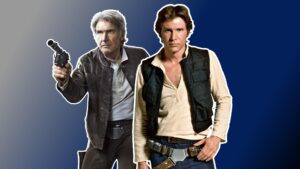
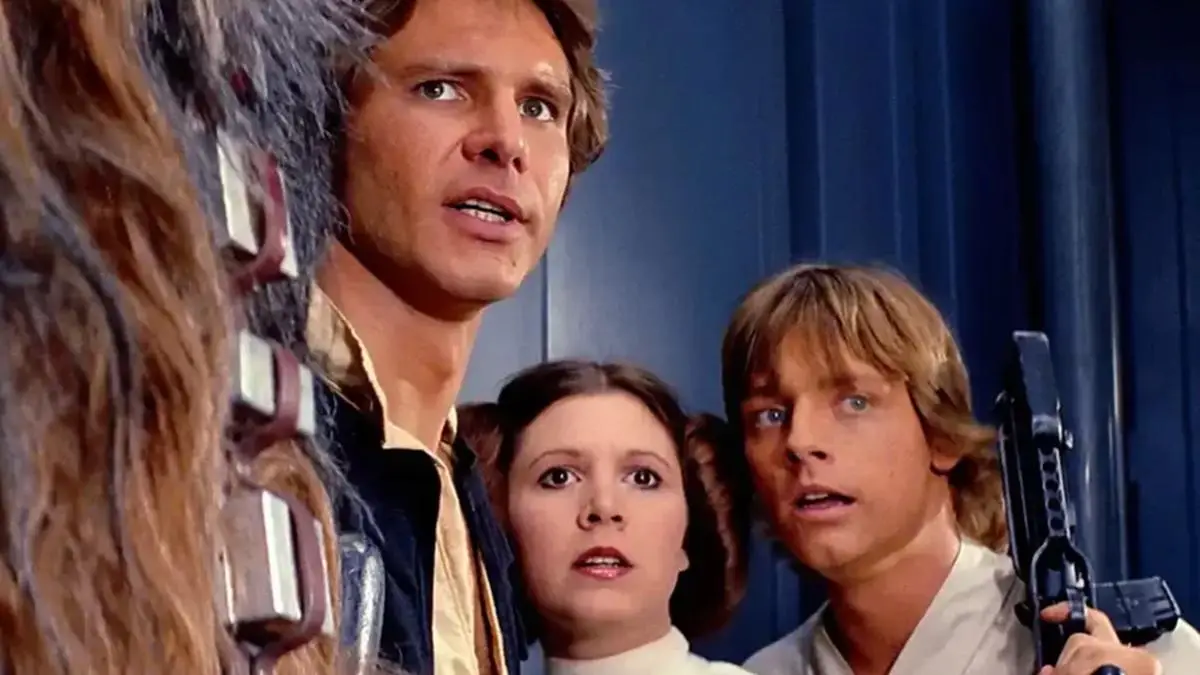
George Lucas envisioned the first Star Wars trilogy as a modern-day fairytale filled with adventure, fantasy, and moral clarity. Influenced by classic serials and mythology, Lucas aimed to create a story that would resonate primarily with children. According to actor Mark Hamill, Lucas emphasized that the central heroes—Luke, Leia, and Han—would remain safe throughout their journey. “Star Wars is for kids,” Hamill recalled Lucas saying, reinforcing the idea that the films were meant to inspire a sense of wonder and security.
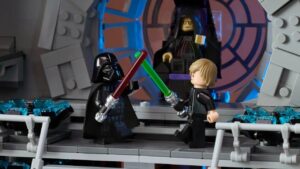
Despite some losses, such as the deaths of Obi-Wan Kenobi, Darth Vader, and Yoda, the emotional tone stayed largely optimistic. The galaxy may have had its battles and betrayals, but the original films reassured audiences that good could triumph, and hope would prevail.
Evolving Tensions: Higher Stakes in Later Films
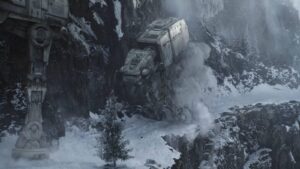
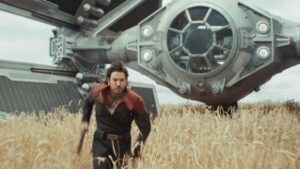
Over time, the franchise grew and changed with its audience. Later entries, like Rogue One, shifted toward a narrative less concerned with the safety of familiar characters. The risks felt real, and the consequences were more permanent. Entire groups of beloved protagonists faced fatal outcomes, making these stories feel heavier and less predictable.
This change mirrored the aging fan base and their appetite for more layered, high-stakes storytelling. Where the earlier films provided a sense of comfort and certainty, newer stories introduced tension and surprise, leaving viewers unsure of any character's fate.
Connecting Generations: Old Lessons, New Approaches
By maintaining a thread of inspiration from its roots while allowing the narrative to take new directions, Star Wars remains influential to longtime followers and newcomers. The original trilogy invited viewers into a battle between light and darkness with the promise that goodness would win out. Newer installments challenge that promise, offering a galaxy where outcomes are uncertain and heroes must earn survival.
This balance between tradition and change has kept the franchise engaging for audiences of all ages—whether they grew up hoping to be Jedi or just discovered the Force for the first time.
Frequently Asked Questions
Why didn’t the original Star Wars trilogy kill off main characters?
The original Star Wars trilogy avoided killing off main characters to maintain a sense of heroism, hope, and adventure. George Lucas aimed the films at a broad audience, including children, and wanted to keep the tone uplifting.
Which main characters survived the original Star Wars trilogy?
Key characters like Luke Skywalker, Princess Leia, and Han Solo all survived the original trilogy. Their survival allowed the story to continue in future films and helped solidify their legacy in pop culture.
What did a Star Wars actor say about not killing off heroes in the OG trilogy?
A Star Wars actor recently explained that the original trilogy kept main characters alive because the story was about hope and growth, not shock value. Characters evolved rather than being eliminated for dramatic effect.
How did the tone of the original trilogy influence character survival?
The lighter, more optimistic tone of the original trilogy favored triumphant endings over unexpected deaths. This approach resonated with audiences and set the foundation for the franchise’s long-term appeal.
Did George Lucas ever consider killing a main character in the OG Star Wars films?
While there were early drafts with darker outcomes, George Lucas ultimately chose to keep main heroes alive to preserve the mythic structure and appeal to younger audiences. The story focused on redemption and unity.
How is the approach to character death different in modern Star Wars films?
Modern Star Wars films often take more risks by killing off key characters to add emotional weight and unpredictability. This shift reflects changing audience expectations and storytelling trends.
Filipino Translation:
Sure! Here's the Taglish translation based on the analysis steps:
Alam mo ba, si George Lucas, 'yung gumawa ng Star Wars, talagang ginusto niyang gawing inspiring 'yung first trilogy. Parang fairy tale vibes tapos may pagka-classic na adventure serye rin. Naalala nga ni Mark Hamill na sabi ni Lucas, gusto niya'tong relatable lalo na sa mga bata, kaya sinabi niya na “Star Wars is for kids.” Kaya kahit may mga matitinding eksena, safe pa rin sina Luke, Leia, tsaka Han.
Pero kahit buhay ‘yung mga main bida, may mga bigating characters na nawala rin like sina Obi-Wan Kenobi, Darth Vader, at Yoda. Kahit ganon, optimistic pa rin overall ‘yung tono ng kwento—gusto talaga ni Lucas na hopeful tingnan, parang bagong myth.
Later on, nag-evolve na ‘yung franchise. Mga movies like “Rogue One,” mas naging risky na—walang sinasantong characters, kahit favorites pa. Parang naging trend na rin kasi na gusto ng viewers ng mas intense at unpredictable na stories. Noong una, alam mong safe ‘yung heroes, pero ngayon, kahit legendary na sila, wala nang kasiguraduhan.
Sa ganitong pagbabago, na-maintain ng Star Wars ‘yung appeal niya sa iba’t ibang generations.
Star Wars star explains why OG Trilogy never killed off main characters was first published here.