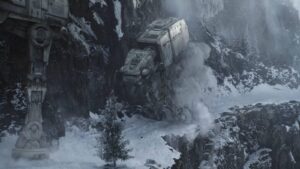
Star Wars Prequels: The Missing Jedi in Their Titles
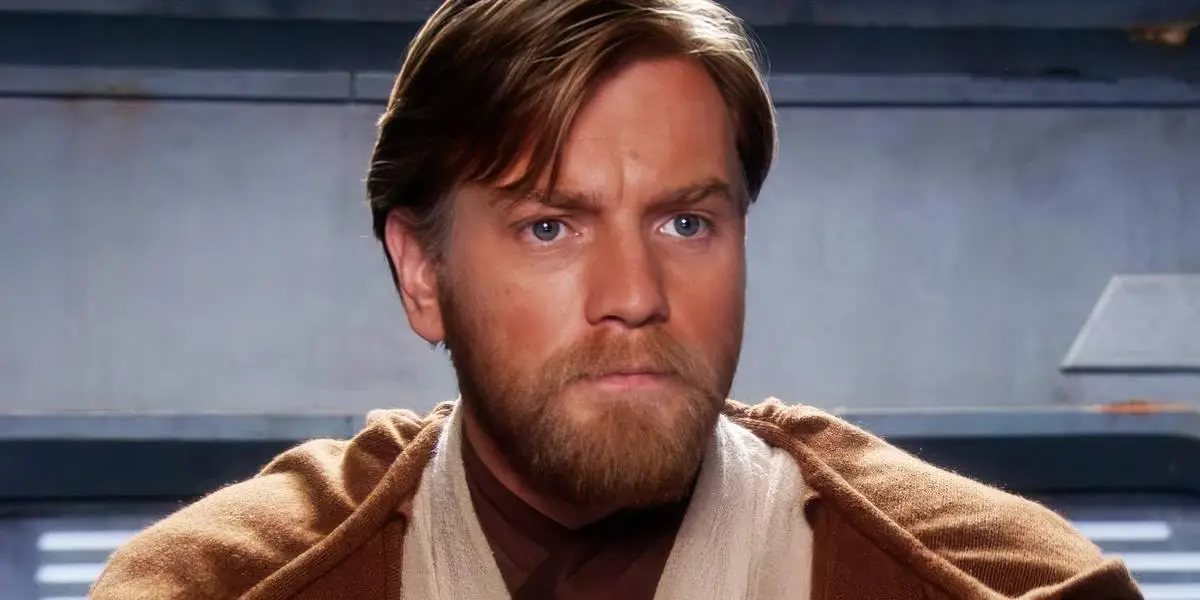
Discover the surprising secret behind the titles of the Star Wars prequel trilogy, where the enigmatic absence of the term ‘Jedi’ contrasts sharply with the films’ deep dive into Jedi lore and the dark fate of Anakin Skywalker. This intriguing phenomenon spurs lively fan debates and whimsical title swaps that breathe life into the ever-resilient Star Wars community. Explore how these unexpected naming choices contribute to the ongoing mystique and fervor behind a galaxy far, far away, captivating generations with their unorthodox charm.
#StarWarsMystery #JediEnigma #PrequelPuzzle #FanDebate #AnakinSaga #TitleIntrigue
Quick Takeaways:
- None of the prequel trilogy titles mention the Jedi, despite their central role.
- Fan debates often highlight how some titles might better suit other episodes.
- These choices continue to fuel conversation and creativity in the fan base.
The Missed Name: Jedi Absent from the Prequel Titles
Unlike the original and sequel trilogies—where the word "Jedi" featured prominently in titles like Return of the Jedi and The Last Jedi—the prequels make no direct mention of them. This stands out, especially since the Jedi Order is at its most visible and active in this era.
Episode I: The Phantom Menace introduces viewers to a galaxy on the brink of change. The Jedi Council is featured heavily, but the title instead points users toward the growing influence of the Sith, with a focus on Darth Sidious' secret movements. Some fans argue this label better fits a later chapter where Palpatine’s plans fully materialize.
Episode II: Attack of the Clones shifts to large-scale conflict, with Jedi taking command roles in the newly formed army of the Republic. Yet the title refers to the military action, rather than the philosophical or spiritual role of the Jedi or Anakin’s shift toward darkness.
Episode III: Revenge of the Sith delivers on the tragedy promised across the trilogy—the rise of Darth Vader and the near-destruction of the Jedi. It’s an explosive, emotional finale. Still, no indication of Jedi appears in the title, despite the Order’s collapse being a key event.
Reimagining the Titles
Longtime followers have jokingly suggested switching up the titles. For example, “Attack of the Clones” sounds more appropriate for the final act, when betrayal from the clone army tears through the Jedi ranks. Meanwhile, “The Phantom Menace” might better reflect Anakin Skywalker’s story, as his fate slowly slips toward darkness across the trilogy.
Ongoing Conversations Keep the Prequels Alive
Whether one agrees with the titles or not, their staying power is clear. They continue to inspire debate, reinterpretation, fan edits, and even memes. Part of their endurance lies in just how unconventional these choices felt compared to the structure of the other trilogies. For many, it's another reason to return to and reassess this chapter of the saga.
Frequently Asked Questions
What is the greatest irony in the Star Wars movies?
The greatest irony in the Star Wars saga is that Anakin Skywalker becomes Darth Vader while trying to prevent the very future he ends up causing. In attempting to stop death and protect peace, he falls to the dark side and brings about more destruction.
Why did it take 20 years to realize the irony in Star Wars?
It often takes years of rewatching and reflecting to see the deeper layers of storytelling in Star Wars. Many fans only later recognize how the prequels reframe the original trilogy, revealing hidden themes and powerful character arcs.
Is Darth Vader’s fall from grace the core irony of Star Wars?
Yes, Darth Vader’s transformation from Anakin Skywalker to a Sith Lord is central to the series’ irony. He becomes what he vowed to destroy, thinking he was bringing peace, but instead fulfilling a tragic prophecy.
How does the Jedi Order contribute to Anakin’s downfall?
The Jedi Order’s rigid rules and emotional suppression pushed Anakin away, contributing to his vulnerability and eventual turn to the dark side. Their failure to adapt and understand him deepened the tragic irony of his fate.
What are some subtle ironies viewers often miss in Star Wars?
Subtle ironies include Luke saving the galaxy by redeeming his father, whereas the Jedi tried to eliminate him. Another is Palpatine’s rise through democracy, using fear of war to ensure control—something the Republic sought to avoid.
Did George Lucas intend the irony in Star Wars from the beginning?
While George Lucas always planned for a deeper narrative, much of the full irony became clearer with the prequel trilogy. His storytelling reveals layers over time that connect character choices to broader consequences.
How does realizing the irony change how you see Star Wars?
Understanding the irony adds emotional depth and complexity to the saga. It shifts the focus from just a battle of good vs. evil to a nuanced tale about intention, failure, and redemption.
Filipino Translation:
Alam mo ba, yung Star Wars prequel trilogy—yung part na pinapakita pa yung Jedi Order sa full force—wala man lang mention ng 'Jedi' sa mga titles nila. Unlike yung original at sequel trilogies na obvious na may ‘Jedi’ sa title, dito sa prequels, parang iniwasan talaga.
Medyo nakaka-curious kasi, considering na major focus ng prequels yung labanan ng Jedi at Sith, pati na rin yung pagka-fall ni Anakin Skywalker. Kaya tuloy marami sa fans, parang trip lang nila pag-usapan at i-joke yung mga titles—tipong sinasabi nila na mas bagay yata kung 'Attack of the Clones' yung Episode III, or na ‘The Phantom Menace’ actually mas swak sa story arc ni Anakin.
Pero kahit pa parang off minsan yung mga titles, sila pa rin yung reason kung bakit tuloy-tuloy pa rin yung mga kwentuhan at theories ng Star Wars fans, generation after generation. Nakakatuwa lang isipin na kahit ang weird ng ibang choices, sila rin yung nagpapalive sa fandom, diba? Grabe talaga yung impact ng franchise na 'to sa imagination ng mga tao.
It Took Me 20 Years To Realize The Greatest Irony Of Star Wars Movies was first published here.