Exploring Political Themes in Star Wars: Andor
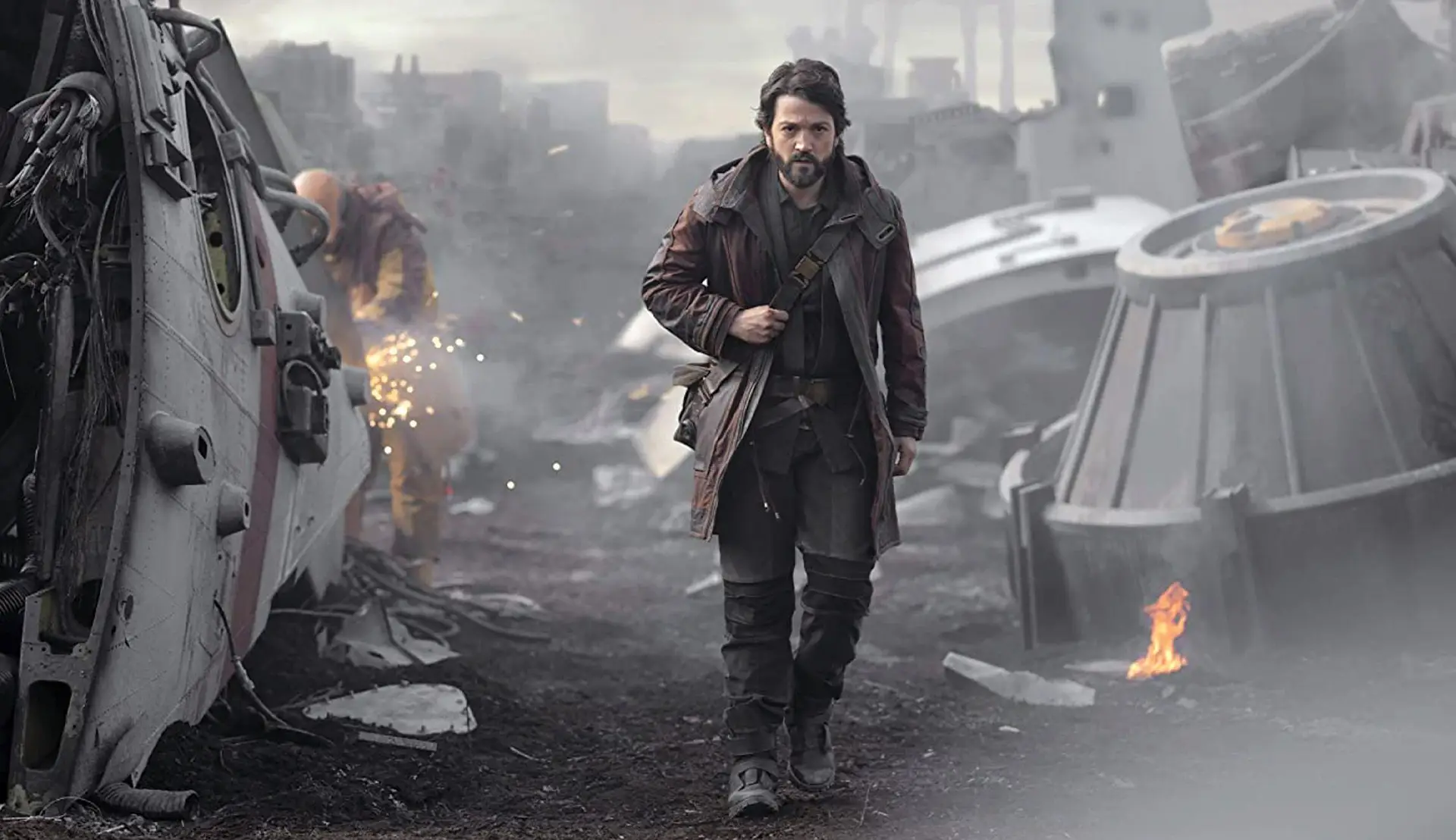
Dive into the complex universe of “Andor,” a Star Wars series that masterfully intertwines tales of desperate rebellion and survival under the iron fist of the Empire, set five years before the pivotal events of Rogue One. This critically acclaimed show doesn’t merely spotlight the Empire’s ruthless exploitation and cultural suppression; it delicately spins narratives that echo real-world debates on governmental overreach, such as the stifling of business through stringent regulations. As local insurgencies strive to preserve cultural identity in the face of homogenization, “Andor” transcends a singular political viewpoint, engaging audiences from all walks of life. The themes of freedom, cultural preservation, and resistance against authoritarianism resonate universally, ensuring the saga’s relevance and sparking spirited dialogue among fans. Can these richly drawn characters overcome the suffocating dominance of the Empire—or will they be another lost voice in the vast galaxy of Star Wars? #StarWars #Andor #ResistTheEmpire #CulturalIdentity #FreedomFighters #GalacticConflict
Quick Takeaways:
- Andor presents a multifaceted view of life under the Empire’s control.
- The series resonates with audiences across political lines.
- Themes such as autonomy, community, and resistance drive the narrative.
Portraying Life Under Empire Rule
The Star Wars series Andor has received wide praise for adding depth and nuance to the franchise, moving beyond simplistic portrayals of good and evil. Set five years before the events of Rogue One, the show explores how people navigate oppression, challenge authority, and fight to preserve their values under the rule of the Empire.
Rather than presenting rebellion in broad strokes, the show builds a detailed look at how power affects everyday life, focusing on political nuance and personal choices. From civilians to lawmakers, characters must decide how far they are willing to go when survival and freedom are both at risk.
Highlighting Different Forms of Resistance
One of Andor’s strengths lies in showing different faces of rebellion. People resist in various ways––some openly defy the Empire, while others push back quietly. From corporate workers tired of bureaucratic red tape to rural communities pushing back against resource exploitation, the show makes clear that resistance is not just about warfare; it’s about protecting identity and choosing action over complacency.
For example, scenes involving the burden regulation places on trade have spurred real-world conversations. These plot points reflect concerns often raised about governmental interference in private enterprise—topics more generally associated with conservative thought. On the other end, viewers also see characters rise in protest to defend cultural rituals, language, and land, themes connected to community preservation and autonomy.
Universal Themes in a Galactic Setting
Though Andor is rooted in the Star Wars universe, its messages carry broader meaning. By portraying resistance in many forms, the series appeals to viewers with different political and philosophical outlooks. At the heart of the show are questions of power, justice, and how individuals respond when confronted with dominating authority.
Questions raised by the characters—about loyalty, survival, and choosing between self-interest and collective good—continue to keep audiences engaged. These storylines contribute to the larger appeal of Star Wars by showing that its themes are not confined to space fantasy, but closely tied to human experience.
Ongoing Relevance and Impact
Andor stands out for portraying oppression as more than just a backdrop to action. Instead, it offers a grounded examination of how control shapes institutions, societies, and personal choices. That approach has helped the series earn recognition not just as entertainment, but a story with lasting meaning for diverse viewers.
The show’s ability to connect with audiences across different backgrounds and beliefs ensures its place in ongoing conversations about storytelling, politics, and the ways in which fiction reflects reality.
Frequently Asked Questions
What does it mean to say Andor is conservative art?
Calling Andor “conservative art” suggests that the show reinforces traditional storytelling structures or values, even while appearing progressive. It presents political themes in a nuanced way but ultimately operates within familiar moral frameworks.
Is Andor a politically conservative TV show?
Andor may not be politically conservative in the conventional sense, but some critics argue that its resistance themes are presented in a way that avoids radicalism, making it feel more moderate or cautious despite its rebellious setting.
How does Andor compare to other Star Wars shows in terms of ideology?
Andor stands out for its more grounded and mature take on rebellion and oppression, but its narrative still adheres to a hero’s journey format, which can be seen as aligning with more traditional, conservative storytelling techniques.
Why do some critics say Andor is conservative art?
Critics label Andor as conservative art because, despite showcasing revolution and political struggle, it often emphasizes individual morality and personal sacrifice over systemic change, reflecting more conventional values.
Can a politically themed show like Andor still be considered conservative?
Yes, even shows with political themes can be viewed as conservative if they reinforce familiar structures, avoid challenging the status quo too directly, or focus on individual over collective action.
Does Andor challenge or uphold the Star Wars status quo?
Andor challenges the status quo by offering a more nuanced and darker look at rebellion, but it ultimately upholds many of the classic Star Wars tropes, including clear moral binaries and an emphasis on personal redemption.
Filipino Translation:
Yung Star Wars series na Andor, grabe, sobrang ganda talaga—critically acclaimed pa nga, diba? Ang cool dito, hindi lang siya nagfo-focus sa isang political side. Pinapakita niya kung gaano ka-oppressive yung Empire, pero hindi rin siya black and white. Habang tumatagal yung story, makikita mo na andaming layers—may mga struggle, resistance, at kung paano sila nag-su-survive under Imperial control.
Set siya five years bago mag-Rogue One, and ang ganda ng pagkakahabi ng kwento—talagang ramdam mo yung paghihirap ng mga tao laban sa kalupitan ng Empire.
Isa pa, kahit kilala si Andor for showing how harsh the Empire is—like yung pag-abuso nila sa natural resources ng mga planets or pag-suppress ng dissent—may mga eksena rin na nagsispark ng convo about more conservative stuff. Isa sa mga standout moments dun is yung reklamo na sobrang daming Imperial regulations na nakakasagabal sa businesses. Medyo parang real-world issue ‘to, ‘no? Kasi parang government overreach na siya in a way.
Tapos andyan din yung mga local uprisings para i-preserve yung identity at culture nila kahit pinipilit ng Empire i-standardize lahat. Lagi rin itong theme sa series—yung pagpapahalaga sa community at traditions.
Ang galing ni Andor kasi even though political yung theme, hindi siya off-putting. Parang kahit anong side ka, makaka-relate ka. Yung mga tema ng freedom, cultural pride, at paglaban sa authoritarian control—universal siya. Kaya siguro ang lakas ng impact nung show, tapos kahit ngayon relevant pa rin siya sa maraming tao, regardless of political views or background.
Star Wars talaga—hindi lang basta space adventure. May kurot din sa puso, at ang daming pag-uusapang angles kung gusto mo talaga siyang i-dissect.
Andor is conservative art, too was first published here.