Andor’s Pursuit of Realism Raises the Bar in Star Wars
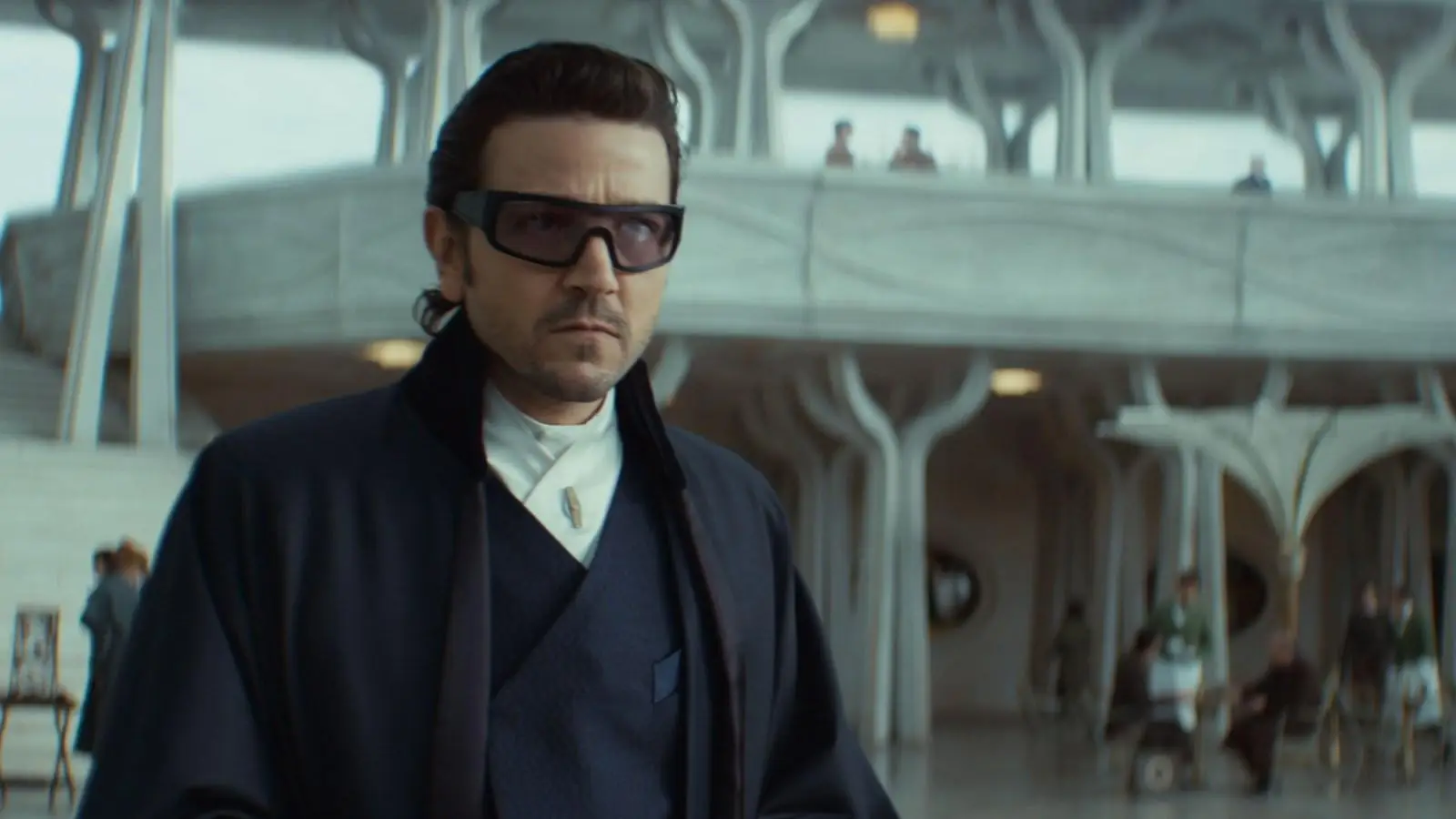
Discover how the creators of “Andor,” under Tony Gilroy’s visionary guidance, have ingeniously reshaped the Star Wars universe, forging a series that is rich in authenticity and historical depth. By masterfully blending practical effects and visual artistry, they’ve transformed actual locations into vibrant worlds, each telling its own story through meticulously selected props and set designs. With invisible histories evident in every scene—be it through the repurposed machinery of the Rebel Alliance or the textured walls echoing past tales—”Andor” crafts an immersive experience that feels both tangible and enduring. As the second season continues to capture the hearts of fans, this groundbreaking series not only redefines the landscape of Star Wars but also sets a new standard of storytelling within the sci-fi genre. Dive into these realms where every corner whispers forgotten stories and imagine the untold secrets lying ahead. #StarWars #Andor #TonyGilroy #AuthenticStorytelling #SciFiInnovation #RebelAlliance
Quick Takeaways:
- Andor prioritizes realism by filming in real-world locations and integrating physical sets with visual effects.
- Tony Gilroy aimed to depict Star Wars environments that felt like they had authentic histories.
- Set design played a major role in immersing the audience, with props and details offering silent storytelling.
- Repurposed machinery and textured costumes convey an aged world full of backstory.
- The series sets a new benchmark for grounded world-building in the Star Wars franchise.
A Grounded Approach to Star Wars
Under Tony Gilroy’s direction, the team behind Andor shaped a story that feels more believable than many past entries in the Star Wars catalog. They avoided relying solely on digital backdrops by adapting actual locations and reinforcing them with hand-crafted sets and subtle visual effects. This careful approach helped create places that seem to exist beyond what’s shown on screen—worlds with their own histories and scars.
Creating Environments With a Past
Production designer Luke Hull and his crew selected set pieces designed to tell silent stories. Equipment left behind in old factories or warehouses became command consoles and ship parts. Walls were made to look as though they had endured years of use, layered with history. Every texture and object had purpose, contributing to a setting that felt occupied and functional long before the characters entered the frame.
Set Dressing That Tells Stories
Hull’s creative team gave attention to more than major details. Fabric choices, weathered props, and even background technology were chosen to reflect the lives of the people within each setting. Although a specific quote often attributed to the team—“Everywhere you look, there are stories to discover—scars and history in walls, artifacts, and attire”—can’t be confirmed, it clearly represents the core intent behind the visual storytelling.
A Different Kind of Star Wars Series
The final result stands apart from many other Star Wars projects, which often lean on spectacle. By keeping things grounded, Andor invites the viewer into a world that feels tangible, where stakes are meaningful and every location carries the weight of its own backstory. For fans more interested in world-building and character-driven storytelling, the show delivers something familiar but with greater depth.
Looking Ahead
With its second season already drawing a strong response, Andor is helping expand the scope of storytelling possible within the Star Wars brand. By putting care into each detail—from set construction to the smallest background element—it has helped shape a vision of the galaxy that feels less like fantasy, and more like lived-in reality.
Frequently Asked Questions
How did Italian cafes influence the look of ‘Andor’?
Italian cafes inspired the street-life atmosphere and communal feel of the series, helping create grounded, realistic environments. Their cozy layouts and textured architecture shaped several of the show’s urban scenes.
Why was French housing used as a reference in ‘Andor’?
French housing, particularly post-war and Brutalist structures, influenced the design of Andor’s cityscapes to convey class divides and oppressive environments. These elements added depth and authenticity to the show’s setting.
What role did sushi play in the design of ‘Andor’?
Sushi inspired clean lines and minimalist aesthetics seen in some of the Imperial interior designs. Its precision and presentation influenced the cold, controlled feel of the Empire’s facilities.
How did everyday architecture influence ‘Andor”s visual style?
‘Andor’ drew from real-world architecture like European apartment blocks and industrial buildings to create a tangible and relatable sci-fi world. This made the environments feel more grounded and lived-in.
What makes the visual design of ‘Andor’ different from other Star Wars shows?
‘Andor’ emphasizes realism and real-world locations, using architectural and cultural references like Italian cafes and French housing instead of heavy CGI. This gives the show a grittier, more human tone.
Where were the real-world inspirations for ‘Andor’ filmed?
Although ‘Andor’ used real-world inspirations like European urban spaces, many scenes were shot on location in the UK or created using sets that reflected those influences in design and texture.
Filipino Translation:
So ayan, sa "Andor," yung mga creators — under kay Tony Gilroy — talagang ginusto nilang gumawa ng Star Wars series na grounded at mukhang totoo talaga. Para magawa ‘yon, ginamit nila yung real-life locations tapos in-enhance nila gamit practical effects, detailed na set designs, at syempre, may halong visual effects rin. Balance lahat para ramdam mo na buhay na buhay yung mga settings, parang may history na talaga kahit bago pa magsimula yung kwento. Sabi ni Gilroy, ang goal talaga nila is “to make these worlds feel as though they existed independently of the narrative.”
Yung set designer na si Luke Hull kasama ng team niya, sobrang meticulous nila pumili ng props at mga materials para bigyan ng depth at texture bawat eksena. Yung mga lumang makina, ginawa nila as part ng Rebel Alliance world — parang bawat piraso may sariling kwento. May quote na, “Everywhere you look, there are stories to discover—scars and history in walls, artifacts, and attire,” though ‘di sure kung legit talaga, pero gets mo naman yung vibe ng production — gusto talaga nilang ipakita na may lalim at history yung mundo ng Andor.
Dahil dito, tumatak talaga yung Andor sa buong Star Wars universe. Iba siya kasi may realism na bihira mo makita sa ibang shows. Kaya kung gusto mo ng solid na storytelling at world-building na believable, Andor talaga ang sagot. Tapos ayun nga, with season 2 ongoing na at marami na ulit nahuhook sa series, mukhang nag-se-set talaga siya ng standard para sa future ng franchise — mas malawak, mas seryoso, at mas totoo yung feels.
How Italian Cafes, French Housing, and Sushi Inspired the Look of ‘Andor’ was first published here.