STAR WARS JEDI 3: BALANCING WORLD SIZE AND METROIDVANIA DESIGN
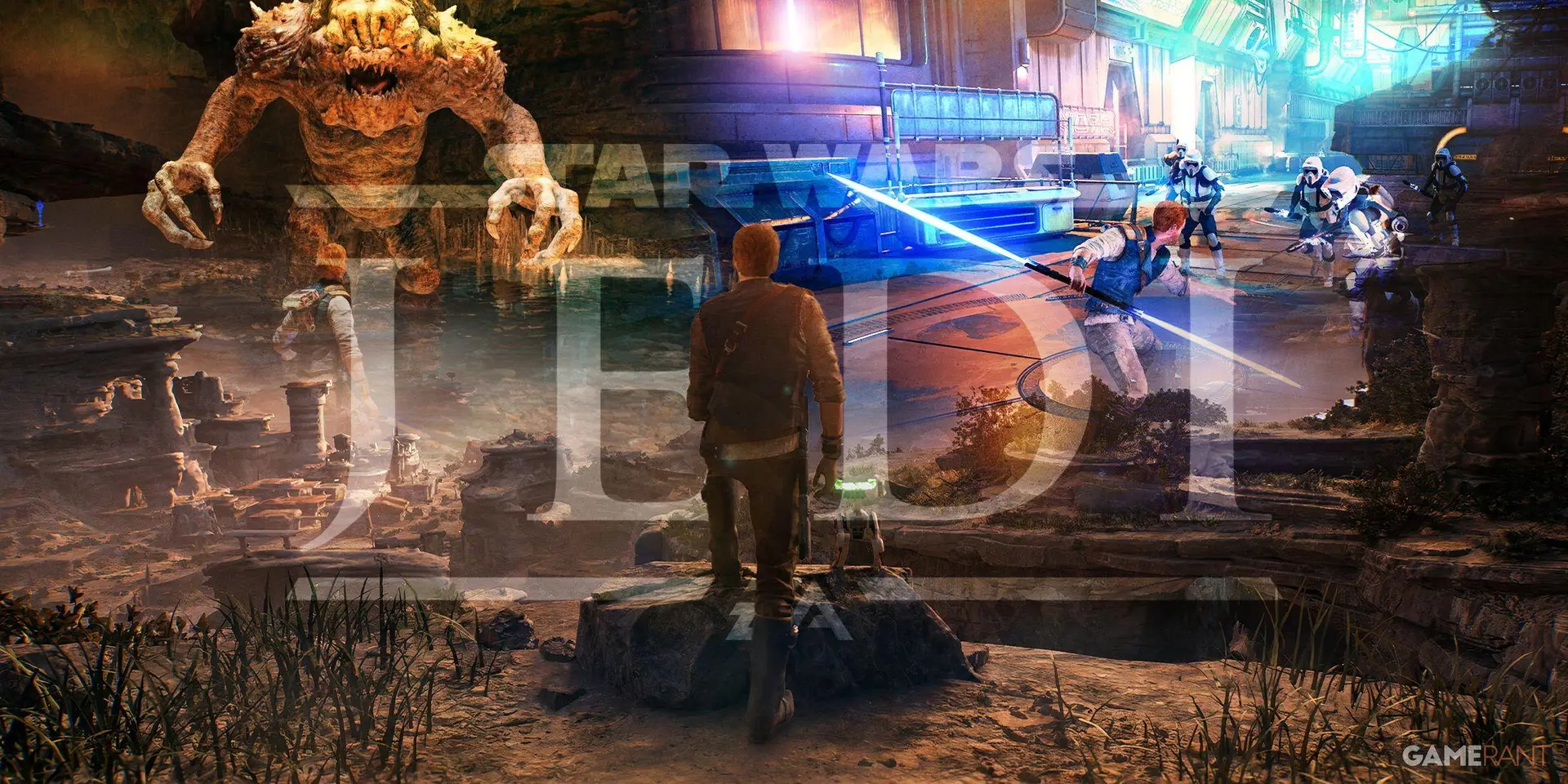
Respawn Entertainment is gearing up for the third chapter of the Star Wars Jedi series, facing a challenge that could determine its ultimate success: harmonizing the expansive game world with the franchise’s signature Metroidvania-style gameplay. The previous installment, Jedi: Survivor, fell short in aligning its vast environments, like those on planet Koboh, with the intricate, exploratory mechanics fans loved, leaving players with a sense of disconnection as they trudged through aimless backtracking and dreary exploration. The allure of returning to earlier locations was lost amidst sprawling, semi-open worlds that lacked cohesive objectives and narrative-driven motivations, turning exploration into an exercise in futility rather than an adventurous endeavor. The new game must transform these revisits into purposeful adventures, richly woven into the storyline, whether through epic quests or side stories, enhanced by new enemies and valuable incentives that reenergize the experience. If Respawn can strike this delicate balance, the next Star Wars Jedi game will not only satisfy players but elevate the series to new heights, fostering an immersive journey where every step feels as intentional as it is exhilarating. Are you ready to embark on a galactic adventure that transcends boundaries and redefines exploration?
#StarWarsJedi #RespawnEntertainment #GamingInnovation #Metroidvania #GalacticAdventure #NarrativeExploration
Quick Takeaways:
- The next Star Wars Jedi game must balance its world size with its Metroidvania-style design.
- Jedi: Survivor struggled with backtracking, making exploration feel more like a chore.
- The game should integrate narrative-driven reasons to revisit areas.
- Meaningful rewards and engaging enemy encounters can enhance the experience.
Balancing Scale and Metroidvania Design
The upcoming third installment in the Star Wars Jedi series faces a critical challenge—maintaining a balance between the size of its world and the core Metroidvania-style gameplay. This issue was evident in Jedi: Survivor, where large environments, particularly Koboh, felt at odds with the exploration and backtracking mechanics. Instead of encouraging discovery, the fragmented design made revisiting areas feel like unnecessary work.
The Problem With Jedi: Survivor’s Semi-Open World
One of the biggest challenges in Jedi: Survivor was its semi-open world structure. While the scale expanded significantly, the traditional Metroidvania elements didn’t evolve alongside it. As a result, the world felt disconnected, making exploration and backtracking a tedious process rather than an engaging one.
In Jedi: Fallen Order, returning to previous locations felt purposeful. Story-driven progress and clear objectives motivated players to revisit earlier areas. However, in Jedi: Survivor, much of the backtracking involved remembering and manually returning to gated sections without strong narrative or gameplay incentives, leaving those moments feeling like filler rather than meaningful progression.
Creating Meaningful Reasons to Revisit Areas
For the next game in the series, backtracking should feel more purposeful and rewarding. Revisiting locations should tie into the story, offering progress for both the main narrative and optional side content. Introducing new enemy encounters and valuable incentives will ensure returning to past locations feels exciting rather than obligatory.
The Path Forward for the Next Star Wars Jedi Game
Striking the right balance between world size and Metroidvania elements is essential for the series to evolve. If Respawn Entertainment integrates backtracking in a way that feels meaningful—both narratively and mechanically—repeat visits to familiar places will enhance the adventure rather than slow it down. Thoughtful world design, engaging enemy placement, and rewarding exploration can make backtracking feel like a natural, enjoyable part of the experience rather than a chore.
Frequently Asked Questions
What challenges does the Star Wars Jedi threequel face in world design?
The biggest challenge is balancing scale and exploration without making the world feel overwhelming or tedious. Players expect expansive, immersive environments, but too much empty or repetitive content can reduce engagement.
How can the next Star Wars Jedi game improve its open-world design?
It can improve by creating diverse, interconnected environments with meaningful exploration. A mix of open areas and structured paths can keep players engaged without making the world feel too vast or difficult to navigate.
Why do large open worlds sometimes feel laborious in games?
Large open worlds can feel tedious when they lack meaningful content, have excessive backtracking, or provide repetitious tasks. A well-designed world should balance scale with engaging activities and rewarding exploration.
What locations could the Star Wars Jedi threequel explore?
The game could feature classic Star Wars planets like Coruscant or Mandalore, along with new environments that offer unique challenges and lore expansions. A mix of urban settings, wilderness, and ancient ruins would add variety.
How does level design impact player experience in Star Wars Jedi games?
Good level design enhances immersion by offering a balance between exploration, combat, and storytelling. Poorly structured worlds can lead to frustration, while well-thought-out layouts give players a sense of discovery and progression.
What makes an open-world Star Wars game exciting?
An exciting open-world Star Wars game blends epic storytelling, dynamic combat, and a world filled with secrets, side quests, and lore-rich environments. The key is making exploration feel rewarding rather than overwhelming.
Filipino Translation:
Okay, here's the Taglish translation based on the analysis:
Yung paparating na third installment ng Star Wars Jedi series mula sa Respawn Entertainment may malaking challenge na kailangang harapin: paano i-balance yung laki ng mundo nito at yung Metroidvania-style na design. Kitang-kita na ‘tong issue na ‘to sa previous game, Star Wars Jedi: Survivor. Ang laki ng mga environment, lalo na sa Koboh, pero parang ‘di siya swak sa Metroidvania elements, kaya naging parang disconnected yung design ng mundo. Dahil dito, imbes na exciting yung pag-e-explore at pagbalik sa mga dating areas, naging hassle siya at parang nakakapagod gawin.
Ang pinaka-problema sa Jedi: Survivor ay yung pagka-semi-open world nito. Ang laki nga ng mundo, pero ‘di naman na-adjust yung Metroidvania-style na design, kaya parang sabog yung layout. Dahil dito, yung pag-e-explore at pagbalik sa mga lugar na napuntahan mo na dati, imbes na rewarding, naging parang chore nalang siya at parang walang koneksyon sa buong adventure.
Sa Jedi: Fallen Order, may sense yung pagbabalik sa mga dating lugar kasi laging may clear na goal or may connection sa story. Pero sa Jedi: Survivor, madalas ikaw nalang bahala mag-alala kung saan ka dapat bumalik, which makes it feel more like a task kesa sa isang exciting na bahagi ng laro. Walang clear na direction or narrative reason kaya parang pinilit lang.
Sa next game, kailangan nilang gawing mas meaningful yung backtracking. Dapat may dahilan kung bakit ka babalik sa isang lugar, either dahil sa main story or sa side quests. Kung may bagong enemy encounters o rewards na talagang worth it, hindi magiging nakakainip yung pagbalik sa dati mong napuntahan.
Mahalaga na mahanap yung tamang balance sa laki ng mundo at yung Metroidvania-style na design para mag-work nang maayos yung next Star Wars Jedi game. Kung maayos ang pagkakagawa, magiging natural yung pagbalik sa mga dating lugar—hindi sapilitan. Kapag nagawan ng maayos ng Respawn Entertainment yung integration ng backtracking sa narrative at gameplay, at naglagay sila ng worth it na rewards, mas magiging enjoyable at engaging ang exploration para sa players.
Star Wars Jedi Threequel’s World Needs to Strike a Balance Between Large and Laborious was first published here.