ANAKIN SKYWALKER’S REDEMPTION: CAN KILLING YOUNGLINGS EVER BE FORGIVEN?
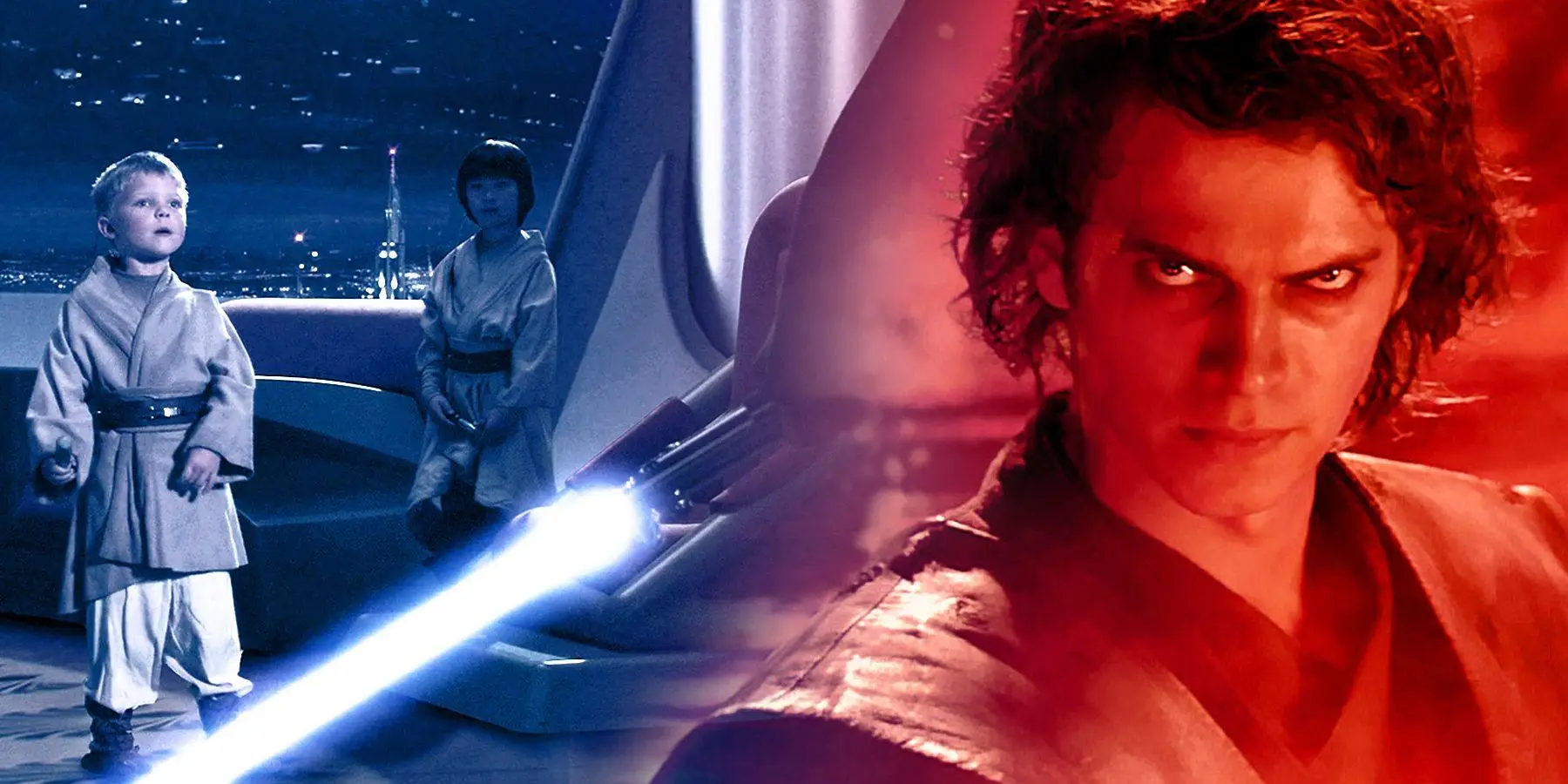
Is Darth Vader truly redeemable? The Star Wars saga’s most controversial character has ignited a passionate debate that cuts to the heart of morality, forgiveness, and the depths of personal transformation. At the center of this firestorm is Anakin Skywalker, a Jedi who committed unthinkable atrocities – including the massacre of innocent children – before ultimately sacrificing himself to save his son and overthrow the Emperor.
Fans are deeply divided: Can a single act of heroism erase years of darkness and unspeakable crimes? Anakin’s journey from promising Jedi to feared Sith Lord reveals a complex character driven by fear, love, and a desperate desire to protect those closest to him. His dramatic fall and potential redemption challenge viewers to confront uncomfortable questions about human nature and the possibility of moral recovery.
As the Star Wars universe continues to explore the nuanced landscape of good and evil, Anakin Skywalker remains a lightning rod for philosophical debate. His story transcends a simple narrative of villainy, offering a profound meditation on the potential for change, the power of familial love, and the extraordinary lengths one might go to save a loved one.
Will you judge Anakin by his worst moment, or believe in the possibility of redemption? The answer might reveal more about you than about the character himself.
#StarWars #DarthVader #Redemption #SciFiPhilosophy #MovieDebate #CharacterStudy
Quick Takeaways
- Anakin Skywalker's redemption remains a divisive issue among Star Wars fans.
- His heinous acts, particularly the killing of young Jedi in Revenge of the Sith, spark ongoing debate.
- While some view his final act in Return of the Jedi as insufficient, others see it as ultimate proof of redemption.
A Hero’s Fall: The Tragedy of Anakin Skywalker
Anakin Skywalker's descent into darkness culminated in Star Wars: Episode III – Revenge of the Sith. One of his darkest moments was leading the deadly assault on the Jedi Temple during Order 66, which included the murder of young Jedi trainees. This act signaled the complete transformation of the once-heroic Jedi into Darth Vader, an agent of the Sith.
Can One Act Redeem a Lifetime of Darkness?
In Return of the Jedi, Anakin’s climactic decision to save his son Luke and destroy Emperor Palpatine shifts the narrative. Yet, fans remain divided: is this singular, selfless act enough to outweigh a legacy defined by destruction and death?
Some argue that the massacre of innocent children, among other atrocities, is unforgivable. Others view his sacrifice as embodying Star Wars’ overarching message of hope—that no one is beyond redemption, no matter how far they fall.
The Role of Luke Skywalker in Anakin's Redemption
A key element in the story is Anakin's relationship with his son Luke. Throughout the original trilogy, Luke refuses to give up on his father, believing there is still good within him. This belief becomes the catalyst for Anakin's ultimate choice to destroy the Emperor. Without Luke’s unwavering hope, it seems unlikely that Anakin would have turned back to the light.
A Symbol of Forgiveness or a Warning Against Impunity?
The debate surrounding Anakin continues to resonate because it touches on larger questions, like the nature of forgiveness and the cost of redemption. Was his final act of love towards his son enough to atone for the suffering he caused across the galaxy? Or do his crimes forever overshadow any chance of redemption?
Why Anakin’s Story Stands Out in Star Wars
The enduring appeal of Anakin Skywalker’s character lies in the moral complexity of his journey. His transformation from a celebrated Jedi to Sith Lord, and ultimately back to a father who sacrifices everything for his child, forces fans to confront their own beliefs about morality, forgiveness, and the possibility of redemption. Whether viewed as a redeemed hero or a tragic figure who deserved no absolution, his arc remains one of the most complex and thought-provoking in the larger galaxy far, far away.
Frequently Asked Questions
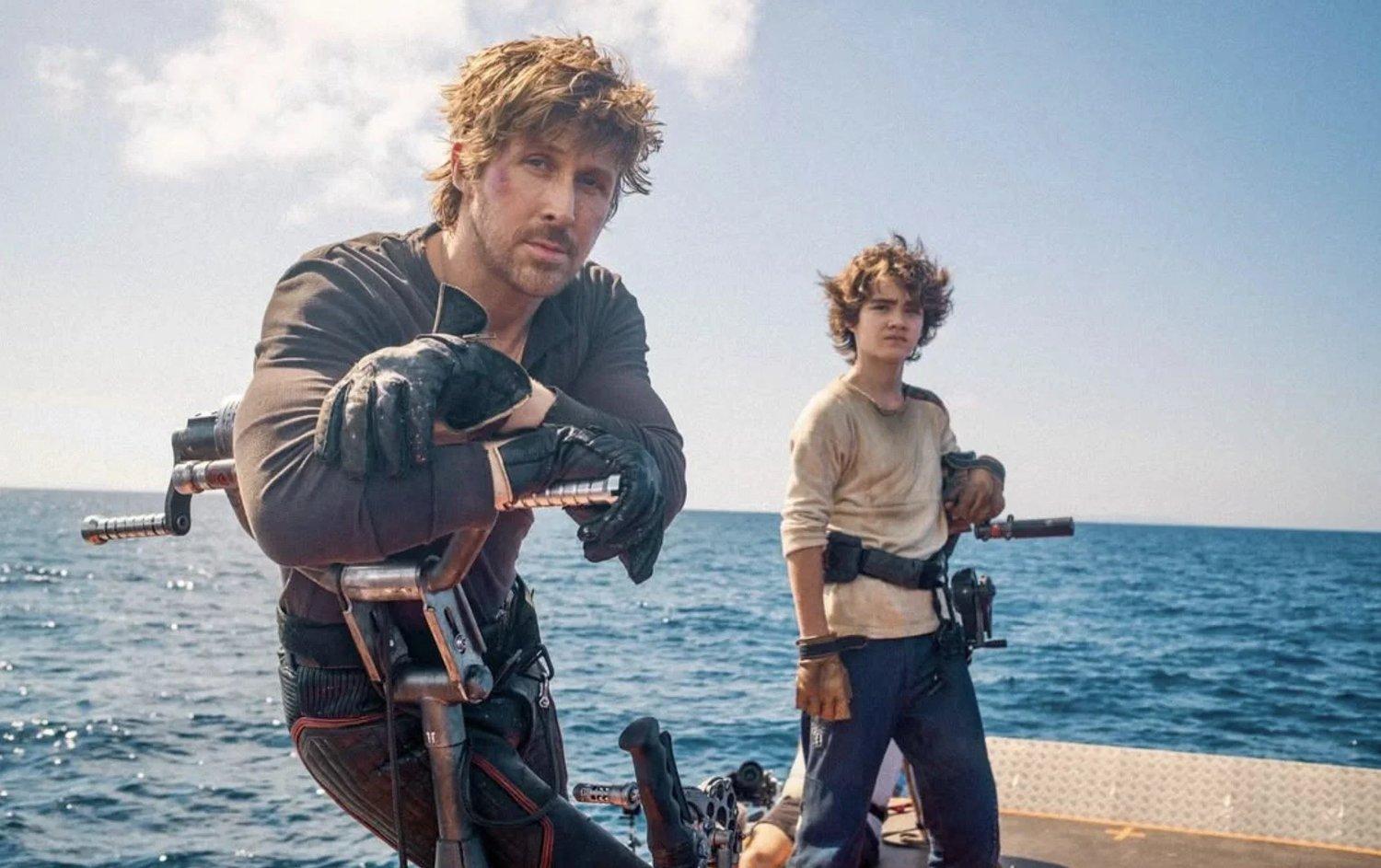
What is Skeleton Crew, and how does it connect to Star Wars?
Skeleton Crew is an upcoming Star Wars series set in the same timeline as The Mandalorian. It follows a group of young characters navigating a dangerous galaxy, while tying into larger Star Wars lore and themes.
What was Anakin Skywalker’s greatest sin in Star Wars?
Anakin Skywalker’s greatest sin was turning to the dark side and committing atrocities, including the massacre of Jedi younglings during Order 66. This betrayal forever marked his fall from hero to villain as Darth Vader.
How does Skeleton Crew repeat Anakin Skywalker’s greatest sin?
Skeleton Crew appears to explore similar moral dilemmas, where characters make choices that harm innocent lives to achieve perceived “greater” goals, echoing Anakin’s justification for his actions. This thematic repetition examines how the cycle of dark choices impacts others.
Who is the villain in Skeleton Crew, and can they be redeemed?
The villain of Skeleton Crew has not been fully revealed yet, but the story hints at complex motivations rather than pure evil. Whether they can be redeemed depends on their ability to acknowledge their mistakes and commit to change, a recurring theme in Star Wars.
Why does Star Wars often focus on redemption arcs for villains?
Star Wars emphasizes redemption to highlight hope and the power of choice. Even characters who fall to darkness, like Darth Vader, demonstrate the potential to return to the light, reinforcing the saga’s themes of forgiveness and second chances.
Does Skeleton Crew expand on Star Wars’ themes of moral ambiguity?
Yes, Skeleton Crew is expected to delve deeper into Star Wars’ exploration of moral ambiguity, showing how difficult choices and flawed judgment affect both heroes and villains. This adds depth to the galaxy far, far away.
How does Skeleton Crew connect to The Mandalorian and other Star Wars projects?
Skeleton Crew is set in the same timeline as The Mandalorian and shares the expanding narrative of the post-Return of the Jedi era. It could potentially feature crossovers or references to characters and events from the larger Star Wars universe.
Filipino Translation:
1. Direct quotes include:
– “Order 66”
– “Star Wars: Episode III — Revenge of the Sith”
– “Return of the Jedi”
– “saving Luke and destroying Emperor Palpatine”
– “Star Wars saga”
– “Jedi Temple”
– “Luke”
– “Sith Lord”
– “Jedi Knight”
2. The tone of the text is balanced and analytical, discussing moral and ethical dilemmas in Anakin Skywalker’s redemption arc. It invites readers to think critically about forgiveness, responsibility, and redemption.
3. Key terms needing special attention:
– Redemption
– Sacrifice
– Dark side/descent into darkness
– Forgiveness
– Moral choices
– Jedi/Sith
4. Some English terms to keep in Taglish: “Jedi,” “Sith,” “dark side,” “redemption,” “galaxy,” “character arc,” “Star Wars.”
5. Common expressions to consider in Taglish: “grabe namang,” “kasi ganito,” “pero diba,” “sobrang,” “medyo,” “yung tipong.”
6. Appropriate formality level: Casual, conversational, young adult/urban.
7. Casual Filipino elements: Use of “kasi,” “diba,” “yung,” plus English loanwords like “redemption,” “galaxy,” and “Jedi.”
8. Cultural context: Star Wars is well-known in the Philippines; no need for deep localization but maintaining its casual appeal is vital.
9. Pop culture reference: Since it’s universally recognized, terms like “Order 66” and “Star Wars” don’t need adaptation or explanation.
10. Preserving meaning: Simplify ideas while keeping philosophical focus on redemption and morality.
Plan:
- Simplify sentences for a conversational tone.
- Insert fillers and natural speech quirks.
- Use a mix of Filipino and English words where natural.
- Avoid over-explaining; assume familiarity with Star Wars.
Ang usapan talaga is kung yung final sacrifice niya sa "Return of the Jedi"—saving Luke at sinira si Emperor Palpatine—enough ba yun para pantayan yung lahat ng ginawa niya dati. Maraming fans ang nagsasabi na, hey, yung pagpatay niya sa inosenteng bata, parang 'di mo na ma-o-offset yun kahit anong heroic act pa. Pero may mga nagsasabi naman na yung sacrifice niya proof na yung "Star Wars saga" talaga is about kung paano possible pa rin ang redemption kahit kanino.
Yung journey ni Anakin papunta sa dark side, nagsimula yun sa takot niya to lose someone he loves at yung sobrang effort niya to protect them. Pero yung choices niya nagkaroon ng sobrang laki at negative na impact sa buong galaxy. Pero, yung relasyon niya kay Luke naging key sa pagbalik niya sa light. Yung unwavering belief ni Luke na may good pa rin sa dad niya, yun yung naging catalyst para sa final choice ni Anakin.
Hanggang ngayon, tuloy-tuloy pa rin yung debate at wala talagang clear resolution, kasi sobrang complex ng character arc ni Anakin. Maraming tanong tungkol sa responsibility, forgiveness, at yung price ng redemption na nire-raise ng story niya. Yung iba, sabi nila, kulang pa rin yung final act niya para sa lahat ng crimes niya. Yung iba naman, tingin nila, ultimate expression yun ng pagmamahal at sacrifice ng isang tatay.
Itong ongoing discussion na ’to shows kung paano talagang inee-explore ng Star Wars yung moral choices at consequences nila. Yung journey ni Anakin, from being a Jedi Knight to a Sith Lord, tapos bumalik ulit, isa talaga sa pinaka-debated character arcs sa science fiction. Parang na-cha-challenge yung mga tao na i-examine yung views nila on forgiveness and redemption.
Skeleton Crew Just Repeated Anakin Skywalker’s Greatest Sin – But Does It Redeem Its Villain? was first published here.