THE HIGH REPUBLIC ERA DESERVES ANOTHER CHANCE IN STAR WARS
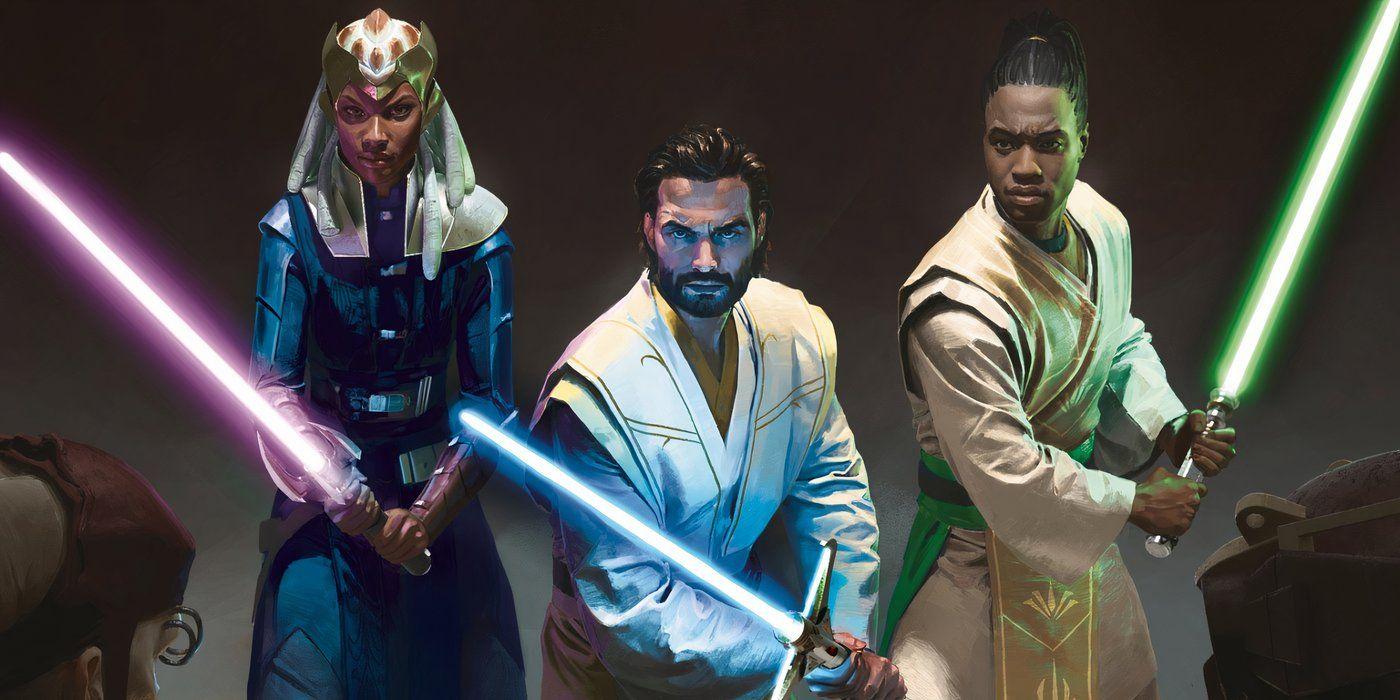
Discover the untold golden age of the Jedi, where heroes are more human than ever before, as the High Republic era reveals a breathtaking period of galactic exploration, scientific breakthrough, and unprecedented Jedi vibrancy that promises to redefine everything you thought you knew about Star Wars.
#StarWars #HighRepublic #JediMystery #GalacticExploration #SciFiSaga
Quick Takeaways:
- The High Republic era enriches Star Wars by exploring a “golden age” of the Jedi Order and Galactic Republic.
- This timeline portrays the Jedi as emotionally vulnerable and actively involved in the galaxy, contrasting with their portrayal in the prequel trilogy.
- Spanning approximately 500 BBY to 100 BBY, this period offers a vast and versatile storytelling canvas.
- The High Republic initiative, though not without criticism, has opened doors for expansion in books, comics, and live-action storytelling, including “The Acolyte.”
A Bold Expansion of the Star Wars Universe
Introduced by Lucasfilm in 2020, the High Republic era represents a significant evolution of the Star Wars universe. Launched in 2021 with Charles Soule’s novel Light of the Jedi, this initiative spans various storytelling mediums, from novels and comics to live-action projects like the anticipated series The Acolyte. While the era has faced its share of criticism and debate among fans, it offers a vibrant and unique lens through which to view the Jedi Order and the Galactic Republic.
A New Look at the Jedi Order
One of the defining features of the High Republic era is its portrayal of Jedi in a fresh and compelling light. Unlike their emotionally distant counterparts from the prequel trilogy, these Jedi are more engaged, emotionally open, and dynamic. They work alongside the Galactic Republic as allies without becoming entangled in its political machinery. This vibrant interpretation highlights the Jedi as an inspiring, proactive presence in a galaxy moving forward in peace and prosperity.
A Setting of Galactic Prosperity
The High Republic era is framed as a “golden age” for both the Jedi Order and the Galactic Republic, characterized by scientific advancements, galactic exploration, and relative peace. Spanning from around 500 BBY to 100 BBY, it captures an era ripe for storytelling possibilities, offering writers and creators clarity and flexibility to deepen the narrative landscape.
The Broad Range of Storytelling Potential
The expansive timeline of the High Republic allows Star Wars creators to explore its beginning, height, and eventual decline. For instance, The Acolyte, set around 132 BBY, is poised to offer fans a glimpse into the era’s latter years, bridging the divide between this prosperous age and the events of the Skywalker saga. Future projects—animated or live-action—could further enrich the legacy of this period, diving deeper into the Republic’s governance, the Jedi philosophy, and the evolving challenges of the galaxy.
The Road Ahead
With the initial publishing initiative drawing to a close, the High Republic era has demonstrated its potential to be more than just a one-off experiment. It offers a unique and richly layered setting that could serve as a cornerstone for future Star Wars storytelling beyond the Skywalker saga. Its focus on fresh characters, unexplored themes, and a time of optimism and growth could captivate both longtime fans and newcomers alike, ensuring its place as an enduring chapter of the franchise.
Frequently Asked Questions
What is considered the most controversial era in Star Wars?
The most controversial era in Star Wars is often considered the prequel trilogy era or the sequel trilogy era, depending on fan perspective. These periods sparked debates over storytelling, characterization, and creative decisions that divided the fanbase.
Why is the Star Wars prequel trilogy controversial?
The prequel trilogy is controversial due to its heavy use of CGI, dialogue that some found awkward, and the polarized reception to characters like Jar Jar Binks. However, it has gained appreciation over time for its deep lore and political undertones.
What are the key strengths of Star Wars’ controversial eras?
Despite criticism, the controversial eras introduced complex world-building, memorable characters, and story arcs that expanded the Star Wars universe. They also provided inspiration for successful shows, games, and books that are beloved by fans today.
Has public opinion shifted on Star Wars’ controversial eras?
Yes, public opinion has shifted significantly in recent years. Many fans who grew up with these eras now view them nostalgically, and new generations have embraced the storytelling as part of the saga’s legacy.
Why does one controversial era of Star Wars deserve another chance?
It deserves another chance because of its unique contributions to the franchise, including innovative ideas, bold thematic decisions, and connections to newer Star Wars content. Revisiting this era could provide fresh perspectives and storytelling opportunities.
Will Star Wars revisit its controversial eras in the future?
It’s possible that Star Wars will revisit its controversial eras through new movies, TV series, or expanded universe content. Lucasfilm has a history of re-exploring and reimagining aspects of the franchise that fans have grown to appreciate over time.
Which Star Wars shows or movies already redeem controversial eras?
Shows like “The Clone Wars” and “Tales of the Jedi” have redeemed aspects of the prequel trilogy by adding depth and context to characters and events. Similarly, shows like “The Mandalorian” have embraced elements of the sequels while appealing to a broad audience.
This set aims to answer questions users might naturally search for, increasing relevance for Google’s “People Also Asked” and “Things to Know.”
Filipino Translation:
Yung High Republic era na na-introduce ng Lucasfilm noong 2020, malaki siyang expansion ng Star Wars universe, pero syempre, ‘di rin siya nakatakas sa mga criticism at controversy. Pero kahit ganon, ang era na ‘to sobrang rich and unique ng perspective niya sa Jedi Order at Galactic Republic, kaya naman may strong argument na deserving itong mabigyan ng second chance para maka-shine ulit. Nagsimula yung High Republic initiative noong 2021 with Charles Soule’s novel na “Light of the Jedi,” tapos nag-expand siya sa iba’t ibang mediums tulad ng books, comics, at TV. Isang example nito yung live-action series na “The Acolyte.”
Isa sa mga pinaka-key na aspeto ng High Republic era ay kung paano nila pinapakita yung Jedi sa ibang angle. Unlike doon sa parang walang emosyon na Jedi sa prequel trilogy, dito, yung Jedi mas relatable kasi emotionally vulnerable sila at talagang active sila sa buong galaxy. Sobrang involved sila with the Galactic Republic pero hindi naman yung sobrang napupulitika. Ito yung time na golden age ng Jedi Order at ng Galactic Republic—may mga big scientific advancements, exploration, at relatively peaceful na period.
Yung High Republic era nagco-cover ng timeframe from around 500 BBY hanggang 100 BBY, so ang dami talagang room for storytelling dito. Dahil sa haba, na-eexplore nila nang malalim yung role ng Jedi sa galaxy at pati na rin yung governance ng Republic during a time of growth and prosperity. Yung “The Acolyte,” na naka-set mga 132 BBY sa latter part ng era na ‘to, nagbibigay ng glimpse sa mga nangyari towards the end ng panahon na yun at nagsi-set ng stage for a bigger narrative.
Since parang tapos na yung publishing initiative, may chance na yung mga future live-action or animated series mag-expand pa sa era na ‘to. Yung High Republic sobrang unique ng perspective na binibigay niya sa Star Wars universe—pinapakita niya yung Jedi at Republic sa peak ng power at influence nila. ‘Tong rich setting na ‘to, ang potential niya, grabe, pwedeng maging cornerstone ng Star Wars franchise beyond sa Skywalker saga. May chance na magdala ng fresh stories at characters na sure akong kayang mag-capture ng attention ng mga bagong fans at matagal na supporters ng series.
One of Star Wars’ Most Controversial Eras Deserves Another Chance to Shine was first published here.