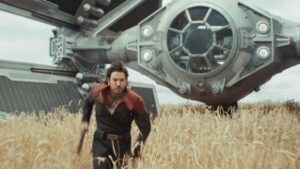
THE MANDALORIAN: REVOLUTIONIZING FILMMAKING AND STORYTELLING
The Mandalorian revolutionizes Star Wars storytelling with groundbreaking virtual production technology and a captivating narrative that weaves together cutting-edge filmmaking techniques, rich character development, and an expansive universe that reimagines how sci-fi stories can be told. Discover how Jon Favreau and the team behind this series are transforming cinema with immersive LED environments and a storytelling approach that bridges classic serialized adventure with the epic Star Wars legacy.
#StarWars #TheMandalorian #VirtualProduction #SciFiCinema #JonFavreau #FilmInnovation
Quick Takeaways:
- The Mandalorian's use of groundbreaking technology revolutionizes filmmaking.
- The Volume allows for real-time virtual environments, improving actors' performances.
- The narrative integrates new characters with familiar ones in the Star Wars universe.
- Themes of honor and loyalty, as well as an episodic format, play a key role in storytelling.
- The series has enriched the Star Wars franchise with both fresh and interconnected storylines.
A Technological Revolution in Filmmaking: The Volume
One of the most significant innovations introduced by The Mandalorian is the use of a cutting-edge virtual production stage—The Volume. Developed by Industrial Light & Magic (ILM) in collaboration with Epic Games, this groundbreaking technology allows for real-time projection of virtual environments on an enormous, curving LED screen. Notably, Jon Favreau played a pivotal role in adapting these technologies from his work on The Lion King and other projects to help bring The Volume to life.
The use of these immersive environments grants actors the ability to interact directly with the digital landscapes rather than relying solely on green or blue screens. This real-time interaction creates a more tangible experience for the performers, ultimately enhancing the authenticity of their performances and raising the overall quality of the production.
Expanding the Star Wars Universe
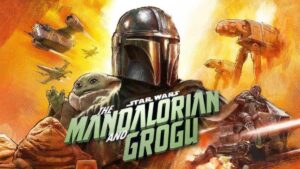
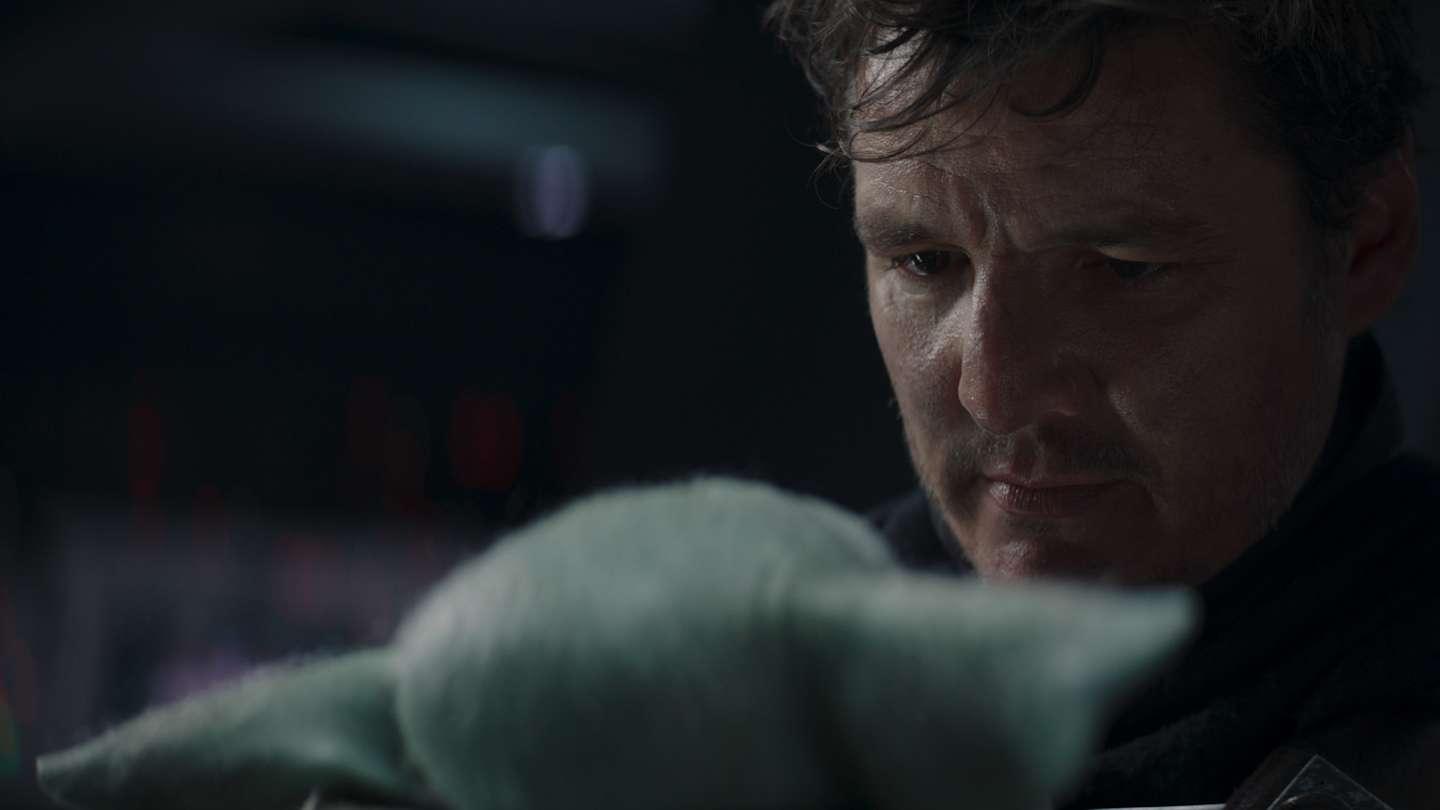
Beyond its impact on production techniques, The Mandalorian has played a key role in widening the scope of the Star Wars universe. The introduction of new characters like Din Djarin, the Mandalorian himself, and The Child (popularly known as Baby Yoda), has given the franchise new fan favorites while maintaining connections to pre-existing Star Wars lore.
The series deftly balances these fresh characters with older, iconic figures. For example, the inclusion of the Darksaber—a unique weapon significant within Star Wars canon—connects the narrative to past events from the animated series while also setting the stage for future plotlines. This careful balance of the old and new ensures that the universe feels interconnected and consistent, providing plenty of depth for both long-time fans and newcomers.
Storytelling Structure and Themes
Another distinctive feature of The Mandalorian is its episodic storytelling format, which combines standalone stories with season-long narrative arcs. This structure is reminiscent of older serialized television shows, making it approachable while still maintaining the momentum of a bigger narrative. In each episode, the audience has the opportunity to explore different facets of the vast Star Wars galaxy, all while staying focused on Din Djarin’s journey.
Themes of honor, loyalty, and the lone warrior archetype play significant roles in the show’s emotional core. These elements have resonated deeply with fans, inspiring comparisons to classic Westerns and samurai cinema. While these influences are common interpretations by critics and viewers, it's important to note that these specific parallels are not directly confirmed in official sources.
Conclusion
In conclusion, The Mandalorian has not only made waves by pushing technological boundaries with The Volume but also by offering rich, interconnected storytelling within the Star Wars galaxy. With its fresh take on characters, an innovative visual style, and strong thematic ties to concepts of honor and loyalty, the series has solidified itself as a vital part of the evolving Star Wars franchise, all while opening new possibilities for the medium of television.
Frequently Asked Questions
How does “The Mandalorian” use storytelling to build character depth?
“The Mandalorian” uses subtle moments, such as non-verbal cues and quiet scenes, to convey the inner struggles and growth of characters like Din Djarin. By showing more through action than dialogue, it allows audiences to connect deeply without over-explaining.
What makes “The Mandalorian” a good example of minimalist storytelling?
“The Mandalorian” often takes a less-is-more approach, focusing on small, isolated events that build larger narratives over time. This minimalist approach creates intrigue and allows viewers to fill in the gaps, making the story more engaging.
How does “The Mandalorian” effectively use episodic storytelling?
The show compartmentalizes each episode into a self-contained adventure while contributing to a larger, overarching plot. This episodic structure makes it easy for new viewers to jump in while still rewarding long-term viewers with ongoing storylines.
Why are emotional stakes important in “The Mandalorian” storytelling?
Emotional stakes, like the bond between Din Djarin and Grogu, are central to making the audience care about the plot’s twists and turns. These relationships provide a strong emotional core to the show’s action-driven narrative.
How does “The Mandalorian” incorporate lore while maintaining universal appeal?
The show weaves in deep Star Wars lore, such as Mandalorian culture and the Jedi, without alienating new viewers unfamiliar with the franchise. It strikes a balance by offering clues for longtime fans while staying accessible through relatable themes.
Filipino Translation:
Bukod sa tech, The Mandalorian nag-expand din ng Star Wars universe by introducing new characters and revisiting old favorites. Katulad ni Din Djarin, na siya nga 'yung titular Mandalorian, at siyempre si The Child (na mas kilala bilang 'Baby Yoda'), naging sentro sila sa kwento. 'Yung balance nila ng bagong characters at pagbabalik ng mga kilalang personality ng Star Wars nakatulong para maging connected talaga 'yung universe. Example, 'yung storyline ng Darksaber, parang nagdu-dukto ng elements from the animated series at nagse-set up ng future conflicts. Kaya mas masarap sundan kasi nadagdagan niya 'yung depth ng Star Wars narrative.
Ang storytelling structure ng The Mandalorian super interesting din kasi gamit nila 'yung episodic format na may mga standalone adventures pero meron ding mga season-spanning arcs. Medyo throwback siya to classic serialized TV shows. 'Tong approach na 'to nagbibigay ng chance para ma-explore 'yung iba't ibang parte ng Star Wars universe, pero at the same time, merong main story line na sinusundan. May mga themes of honor, loyalty, at 'yung lone warrior archetype, which is relatable sa fans kaya napalapit lalo 'yung series sa kanila. May mga nag-point out din na parang may influence siya ng Western at samurai cinema, pero important din malaman na hindi explicit na sinabi 'to sa official sources, so interpretation lang 'yun ng ibang tao.
In summary, The Mandalorian hindi lang niya tinaasan 'yung standards sa filmmaking tech, pero nadagdagan din niya ng depth 'yung Star Wars universe by offering fresh perspectives sa storytelling ng beloved franchise na 'to.
The Mandalorian: 5 game-changing uses of good storytelling was first published here.