Disney’s Star Wars Decision: The Impact of Recasting the Expanded Universe as Legends
In 2014, Lucasfilm’s surprising decision to rebrand much of the Star Wars Expanded Universe as ‘Star Wars Legends’ sent shockwaves through its fanbase, sparking an epic clash between the desire for creative freedom and the longing for a beloved narrative legacy. This controversial move cleared the path for the new sequel trilogy—and the resulting backlash was equally monumental, as fans passionately debated the absence of the EU’s beloved backstory and intricate plots. As The Force Awakens, The Last Jedi, and The Rise of Skywalker rolled out, the criticism intensified, with many lamenting missed opportunities and shallow character arcs. Explore how this seismic shift reshaped one of the world’s most cherished franchises and continues to fuel fiery discussions today. Could this bold leap toward new horizons have inadvertently dismantled the cherished groundwork of Star Wars storytelling? Dive deeper to unravel the intricate saga behind Disney’s game-changing decision.
#StarWars #ExpandedUniverse #StarWarsLegends #Lucasfilm #TheForceAwakens #JediSaga
Quick Takeaways:
- Disney’s acquisition of Lucasfilm led to major changes in Star Wars storytelling.
- The Expanded Universe was rebranded as non-canon in 2014, sparking mixed reactions.
- Fans remain divided over the decision and how it impacted the sequel trilogy.
- The legacy of the Expanded Universe still influences debates about the franchise’s direction.
Disney Resets the Galaxy
When Disney purchased Lucasfilm in 2012, it inherited not only the iconic Star Wars films but also a sprawling collection of novels, comics, games, and other media known as the Expanded Universe (EU). The EU had filled in decades of stories beyond the original trilogy, developing beloved characters and intricate plots.
On April 25, 2014, Lucasfilm officially rebranded most of the EU under the label Star Wars Legends. With this change, the stories were declared non-canonical—no longer official parts of the Star Wars timeline—except for the animated series The Clone Wars, which remained in continuity. This decision cleared the deck for new stories to be developed without being tied to the EU’s complex history.
A Divided Fanbase
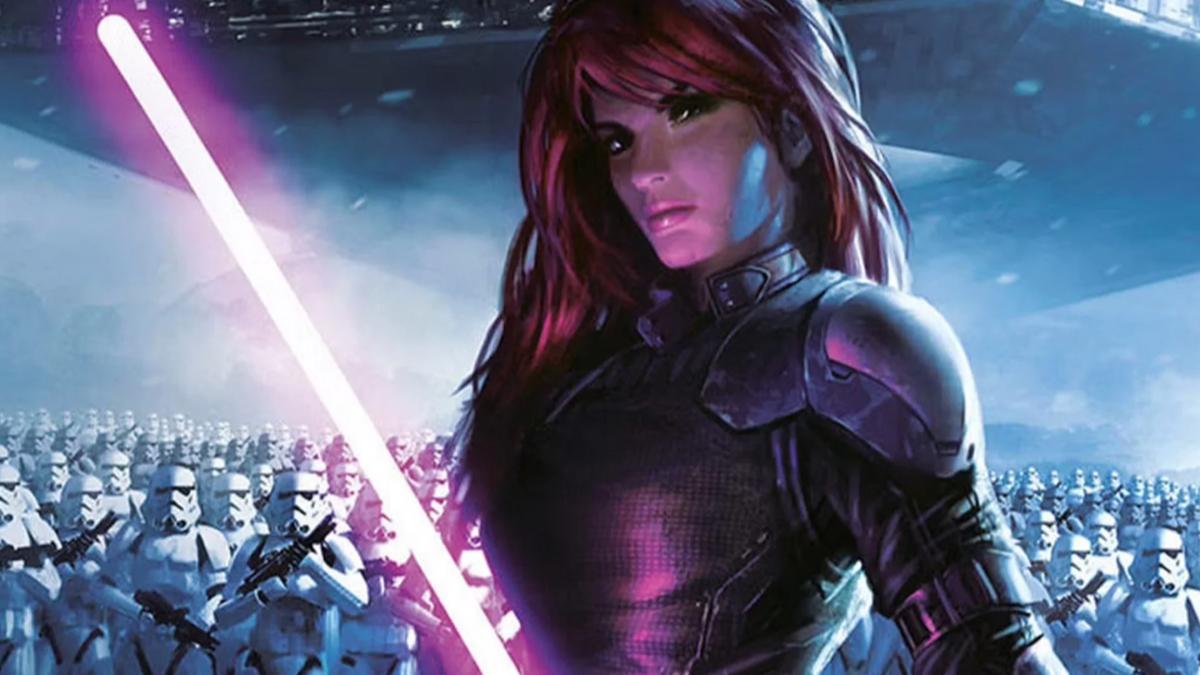
The update did not sit well with many longtime followers. For readers and viewers who had remained invested in the EU since the early 1990s, the decision felt like the erasure of years of storytelling effort. Characters like Mara Jade, Grand Admiral Thrawn (who was later reintroduced), and plotlines such as the Yuuzhan Vong invasion held a meaningful place in the hearts of fans.
While some welcomed the blank slate as a chance to revitalize the series for a new generation, others saw the move as dismissive of the work that had gone into expanding the galaxy far, far away.
Trouble with the Sequel Trilogy
Soon after the EU was shelved, Lucasfilm launched a new trilogy with The Force Awakens (2015), followed by The Last Jedi (2017) and The Rise of Skywalker (2019). Though commercially successful, the trilogy earned a mixed reception for its character arcs and lack of consistent vision across the three films. Many fans argued that the decision to discard the EU led to a lack of narrative cohesion, leaving the sequels to rely too heavily on nostalgia while failing to move the story forward in meaningful ways.
Lingering Questions About Canon and Storytelling
The original Yahoo article points out that shelving the EU had long-term consequences for how Star Wars could evolve. Removing decades of interconnected stories gave writers more creative flexibility, but it also meant that a network of fan-favorite characters and events was sidelined.
Years later, debates persist over whether canon should serve continuity or creativity. The return of characters like Thrawn in other media suggests a possible middle path—one that draws inspiration from Legends without fully reinstating it.
Fans continue to discuss what was lost, what was gained, and how the franchise should balance respect for its past with ambitions for its future.
Frequently Asked Questions
What was the critical Disney decision that negatively impacted Star Wars?
The key decision was removing George Lucas’s original story outlines for the sequel trilogy. By discarding his vision, Disney created a trilogy that some fans felt lacked cohesion and connection to the original saga.
Why did Disney reject George Lucas’s Star Wars sequel ideas?
Disney chose to go in a different creative direction, believing new filmmakers like J.J. Abrams and Rian Johnson could bring fresh perspectives. However, this move alienated some longtime fans who expected Lucas’s storyline to be honored.
How did Disney’s approach to Star Wars impact the fan base?
Disney’s handling of the sequel trilogy divided the fan base, with many criticizing the inconsistent tone and character arcs. The lack of a unified vision led to backlash from both older fans and new viewers.
Did skipping a long-term plan doom the Star Wars sequels?
Yes, many critics argue that not having a solid, unified plan across the trilogy caused narrative inconsistencies and confusion. Each director made significant changes, resulting in a disjointed story.
What role did Kathleen Kennedy play in the Star Wars decision-making?
Kathleen Kennedy, as president of Lucasfilm, oversaw major creative decisions, including hiring directors and shaping the new trilogy’s direction. Her leadership has been both praised and criticized in the fan community.
Could keeping George Lucas’s vision have saved the Star Wars sequels?
Some believe that retaining Lucas’s original outlines could have provided a more coherent and emotionally satisfying trilogy. Others argue that new ideas were necessary, though execution fell short.
Filipino Translation:
Nung binili ng Disney ang Lucasfilm noong 2012, kailangan nilang magdesisyon ng bongga tungkol sa Star Wars Expanded Universe, o EU. Noong April 25, 2014, nirebrand ng Lucasfilm yung karamihan ng EU bilang "Star Wars Legends," kaya hindi na siya considered as canon—except sa The Clone Wars na animated series. Ginawa nila 'to para mas malaya yung mga filmmakers na magkwento without being boxed in sa mga existing na stories.
Pero syempre, maraming die-hard fans ang na-disappoint kasi pakiramdam nila, parang binaon na lang sa limot yung ilang dekadang solid na kwento at character development. Yung iba, tingin nila necessary yung decision para makapagsimula ng fresh. Pero sa iba naman, parang betrayal siya sa legacy ng Star Wars.
Pagdating naman sa sequel trilogy—The Force Awakens, The Last Jedi, at The Rise of Skywalker—ang daming criticism na natanggap. Kesyo magulo daw yung storytelling, tsaka masyadong umasa sa nostalgia. Sabi ng maraming fans, dahil wala na yung detailed na structure ng EU, ang daming missed opportunities at medyo sablay yung character development.
Ayon sa original na Yahoo article, malaki daw yung naging epekto ng pagtanggal ng EU sa mismong storytelling ng Star Wars. Hanggang ngayon, ang dami pa ring debate among fans tungkol sa kung gaano ka-importante yung legacy at interconnected na kwento sa franchise.
The Forgotten Disney Decision That Completely Doomed Star Wars was first published here.