Ron Howard and the Journey of Directing Solo: A Star Wars Story
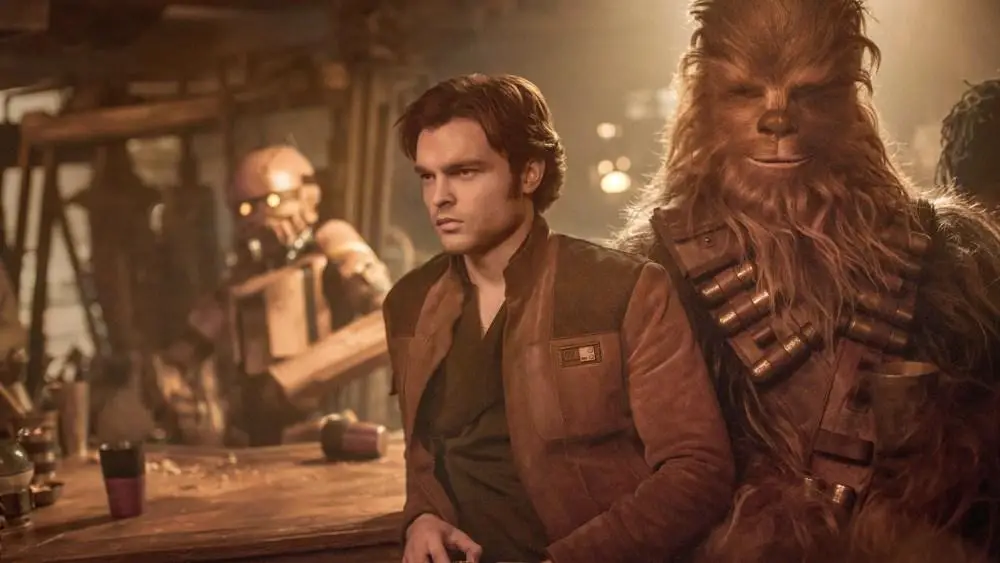
When Ron Howard stepped into the director’s chair for “Solo: A Star Wars Story,” he faced the daunting task of rescuing a fractured production after the unexpected departure of Phil Lord and Christopher Miller. Tasked with melding his creative instincts with the rich legacy of the Star Wars universe, Howard took on the challenge with an eye for detail and fidelity to the franchise’s hallowed traditions. Under his meticulous guidance, much of the film was reshot, retaining the original cast but reimagining the storytelling to harmonize individual vision with the storied saga. As Howard navigated these complexities, he aimed to balance narrative consistency with the exploration of character depth, providing a fascinating case study in cinematic adaptation and improvisation. “Solo: A Star Wars Story” is a testament to the extraordinary pressures and triumphs involved in reinvigorating an iconic universe. How did Howard’s steady hand shape the film’s legacy amidst a storm of expectation and scrutiny? Discover the unraveling tale of creative stewardship and franchise fidelity.
#StarWars #RonHoward #SoloAStarWarsStory #FilmMaking #MovieMagic #CinemaHistory
Quick Takeaways
- Ron Howard stepped in to finish Solo: A Star Wars Story after the original directors were let go.
- He worked to align the film with the look and tone expected by Lucasfilm while bringing his own approach.
- Much of the footage was redone, but the actors stayed the same.
- Howard focused on storytelling clarity and character development within Star Wars' established framework.
- The movie’s release reflected both its creative challenges and the effort to maintain consistency in the franchise.
A New Director Comes Aboard
When Ron Howard was brought in to complete Solo: A Star Wars Story, the film was already partway through production. Original directors Phil Lord and Christopher Miller had been dismissed, leaving behind an unfinished vision. Howard accepted the task of taking over without starting from scratch, working within existing limitations while steering the project toward the tone expected of a Star Wars film.
Blending Style with Series Expectations
Rather than treating the task as creatively restrictive, Howard described his goal as finding a balance—incorporating his directing approach while staying respectful of the established Star Wars identity. He recognized how much the audience and Lucasfilm valued consistency in pacing, visual design, and storytelling.
Reworking the Film, Keeping the Cast
With Howard at the helm, a significant portion of the movie was reshot to streamline the story and bring consistency to its tone. Despite the shift in creative leadership, the principal cast—including Alden Ehrenreich, Donald Glover, and Emilia Clarke—remained. This allowed the newly directed scenes to blend more seamlessly with earlier work and maintain character continuity.
Focusing on Characters Within Familiar Boundaries
Howard also expressed a desire to highlight character-driven moments, especially for Han Solo. Still, he acknowledged that even these elements had to remain grounded in what audiences expect from the galaxy far, far away. His changes aimed to better connect viewers with the characters without straying too far from the familiar tone of the franchise.
Mixed Outcomes Amid Production Challenges
Solo: A Star Wars Story is frequently discussed for its behind-the-scenes complications. Despite the challenges, many credited Howard’s experience and calm approach with steering the film to completion. The reaction to the movie reflected a blend of cautious appreciation and mixed opinions, shaped not just by what appeared on screen, but by what had happened during its making.
Continuing a Legacy Under Pressure
Ron Howard’s direction of Solo illustrated the effort required when working within an iconic franchise with high expectations. His role was not only to complete the movie—but to do so while respecting the world built over decades. Though the film faced obstacles, it offered a look at how creativity can adapt and function under responsibility to a massive, ongoing story.
Frequently Asked Questions
Why did the original directors of ‘Solo: A Star Wars Story’ get replaced?
The original directors, Phil Lord and Chris Miller, were replaced due to creative differences with Lucasfilm. The studio felt their comedic tone didn’t align with the vision for the film, leading to a significant tonal disconnect.
What did Ron Howard say about the ‘Solo’ director change?
Ron Howard described the situation as “still just a shame,” acknowledging the original directors had created some great footage but that creative clashes ultimately led to their exit.
Did Ron Howard use any footage from the original directors in ‘Solo’?
Yes, Ron Howard confirmed that some of Phil Lord and Chris Miller’s footage made it into the final version of ‘Solo,’ despite the change in direction.
What was the tonal disconnect in ‘Solo’ that caused issues?
The tonal disconnect involved differences in the film’s comedic elements and storytelling style. Lucasfilm reportedly felt the original tone was too improvisational and didn’t fit the Star Wars universe.
How did fans react to the directorial changes in ‘Solo’?
Fans had mixed reactions—some were disappointed by the departure of Lord and Miller, while others appreciated Ron Howard’s more traditional approach to the Star Wars story.
Was ‘Solo: A Star Wars Story’ a box office success?
While ‘Solo’ received generally positive reviews, it underperformed at the box office compared to other Star Wars films, partly due to production issues and a lack of marketing momentum.
Filipino Translation:
Nung kinuha ni Ron Howard ang pagdidirek ng Solo: A Star Wars Story, medyo mahirap 'yung sitwasyon kasi sinimulan na 'yung project tapos pinalitan sila Phil Lord at Christopher Miller. So basically, parang pinulot niya 'yung nasimulan na at kailangan niyang tapusin 'to sa paraan na swak pa rin sa vibe ng Star Wars. Pero syempre, gusto rin niyang ilagay 'yung sariling style niya bilang director.
Imbes na sabihing clash talaga siya, sinabi ni Howard na ang focus niya was to balance his creative instincts with the needs of the franchise. Kasi nga naman, “Solo” dapat mag-reflect pa rin ng tone at style na in-expect ng Lucasfilm at ng fans.
Marami sa mga eksena ang nireshoot under Howard para maging consistent 'yung tono at kwento ng movie, pero hindi na pinalitan 'yung main cast. Aware si Howard na complicated talaga 'yung sitwasyon at pressured siya, pero para sa kanya, importanteng manatiling totoo sa established Star Wars world, at the same time, mas pinapalalim niya 'yung character moments — syempre, within the limits ng franchise.
Lagi ring nababanggit 'yung production ng Solo dahil sa dami ng pinagdaanan nito, pero kung tutuusin, naging malaking bagay 'yung pagiging steady ni Howard para maayos 'yung mga creative transitions. Sa kung paano tinanggap ng tao 'yung movie, kita mo rin do’n 'yung challenge ng pagsama ng personal na vision sa isang well-loved na cinematic universe. Parang insight na rin siya kung gaano kahirap i-balance ang sarili mong approach habang pinapangalagaan 'yung legacy ng isang sikat na saga.
Ron Howard Says ‘Solo’ Creative Clash Is ‘Still Just a Shame’: Lucasfilm Blamed Tonal ‘Disconnect’ With Original Directors but Some of Their Footage Was ‘Great’ was first published here.