Star Wars: Andor’s Journey Through Exhaustion and Connection
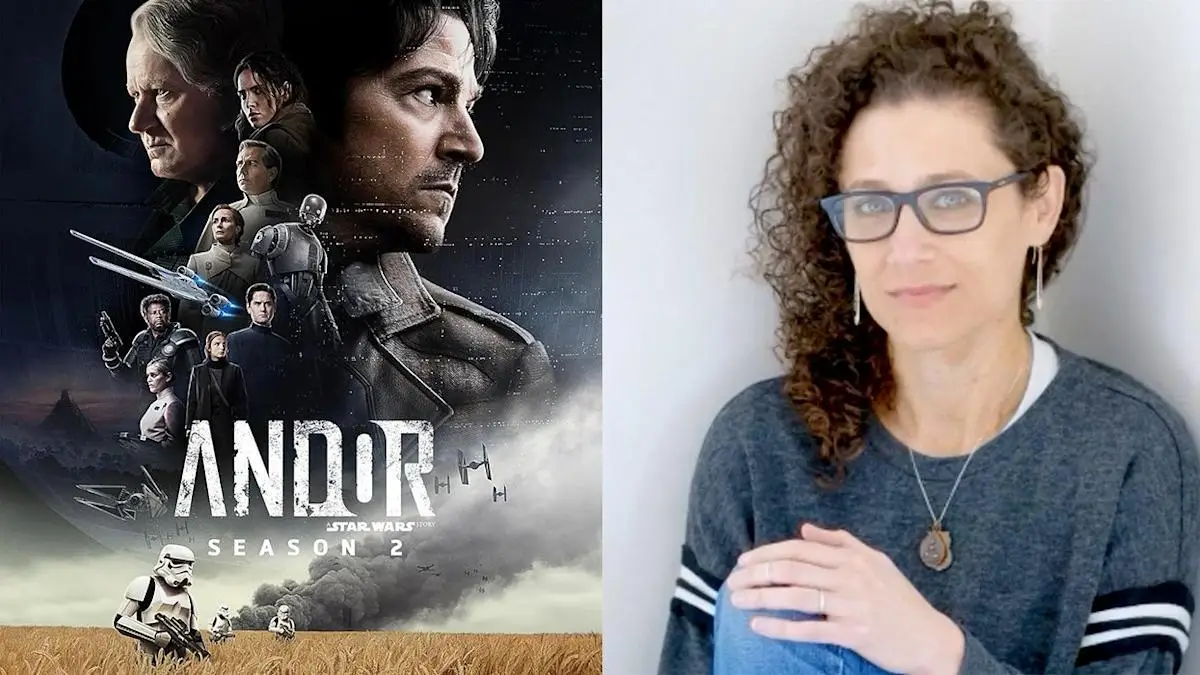
In the shadowed alleys of the Empire’s iron grip, “Andor” dives into the raw, often overlooked tale of resilience amid oppression, steering away from grand fantasies to focus on the gritty reality of everyday rebellion. Following Cassian Andor and Bix Caleen, the series explores how those weary from ceaseless battles find fleeting moments of hope and solidarity amidst despair, grounding their struggles in authentic experiences that mirror real-world resistance. The narrative shifts the spotlight from legendary heroics to the intimate, arduous acts of defiance by ordinary people, drawing viewers into the clandestine world of unsung heroes whose sacrifices forge connections and spark change. As tension mounts, the rebels’ journey becomes an evocative study of community and perseverance, offering a nuanced reflection of finding strength in unity under an oppressive regime. By spotlighting the human aspect of rebellion, “Andor” crafts a narrative filled with emotional depth and compelling urgency, leaving viewers eager to uncover how these characters weather the storm of adversity with quiet resilience. Dive into a tale where the power of collective tenacity transforms the bleakness of Empire rule into a beacon of hope—one determined step at a time.
#StarWars #Andor #Resistance #Rebellion #Solidarity #CassianAndor
Quick Takeaways:
- Andor shines a light on individual and collective weariness in times of oppression
- Characters struggle between despair and hope without sugarcoating their hardships
- Rebellion is shown as a process grounded in ordinary effort, not flashy heroics
- Solidarity emerges from shared exhaustion, offering deeper forms of connection
- The show speaks to modern audiences dealing with fatigue and disconnection
A Quieter Kind of Resistance
Set in shadowy alleys and sterile Imperial corridors, Andor takes its cues not from prophecy or destiny, but from the day-to-day grind of rebellion. The stories it tells are messier, more grounded—reflecting the inner toll of fighting against a relentless system. Cassian Andor, along with characters like Bix Caleen, endures losses, betrayals, and the constant strain of survival within a system that offers no space to breathe.
Rather than painting rebellion with sweeping gestures and dramatic one-liners, the series settles into a slower rhythm. It lingers on grief, fatigue, and the quiet moments between battles, capturing characters who don't always know if their efforts will amount to much. This hesitation rings true for viewers familiar with emotional burnout or systemic frustration, offering something more grounded than the romance of revolution.
Hardship Without Glamour
There are no spotless heroes here. Characters in Andor are damaged, scared, worn down—but they keep going. Their decisions are small but meaningful, and the impacts often ripple in ways they don't see. This grounded portrayal matters. It shows the emotional cost that resistance often exacts. The show honors that toll without turning it into spectacle.
For audiences balancing daily pressures—from work to politics to personal grief—the world of Andor reflects something deeply familiar. It shows what it's like to care when everything encourages you not to. It reminds us that fatigue doesn't disqualify someone from making a difference. Sometimes, it's what binds them to others who feel the same.
Solidarity in the Shadows
One of the series' most powerful ideas is that connection can emerge from exhaustion. When idealism breaks down, people still find one another—not through perfect ideologies but through shared burdens. Whether it’s covert sabotage or supporting neighbors, these actions speak to how resistance often happens: not through sweeping speeches but in private, persistent efforts.
This portrayal redefines what strength can look like under pressure. It treats solidarity not as a cheerful slogan, but as something readers and viewers might recognize from their own lives—a quiet agreement to keep showing up for one another, despite everything.
Resilience Without Glamour
Andor doesn't end on triumphant notes. Its power lies in showing what it takes to withstand an oppressive system without losing your sense of purpose. It refuses false optimism. Instead, it offers something rarer: the hope that even in bleak times, people can still hold onto one another, quietly and fiercely.
That’s a story worth telling—especially now. Not because it promises easy answers, but because it makes room for the lives too often overlooked: weary, struggling, and still standing.
Frequently Asked Questions
How does ‘Andor’ explore themes of burnout?
‘Andor’ portrays burnout through characters who are exhausted by relentless oppression and personal sacrifice. The show highlights how constant pressure and lack of rest affect motivation and well-being, even in a rebellion.
What lessons about belonging can be learned from ‘Andor’?
‘Andor’ shows that belonging often comes from shared values, not just shared identity. Characters find connection through resistance and purpose, even if they feel out of place in traditional communities.
Why does ‘Andor’ resonate with people feeling burned out?
Many viewers relate to ‘Andor’ because it depicts exhausting systems, moral ambiguity, and the emotional toll of perseverance—common feelings in modern work and personal life.
Can watching ‘Andor’ help people understand their own burnout?
Yes, ‘Andor’ can help people identify with characters who are emotionally drained or disillusioned, bringing awareness to the signs and causes of burnout in their own lives.
What does ‘Andor’ teach us about finding purpose during difficult times?
‘Andor’ illustrates that purpose can emerge even in dark situations. Characters discover meaning through resistance, sacrifice, and aligning their actions with a greater cause.
How does Cassian Andor’s journey reflect the struggle to belong?
Cassian begins as an outsider who avoids commitment but gradually finds his place within the rebellion. His transformation mirrors the search for identity and community through action and choice.
Filipino Translation:
Sa loob ng madilim at tahimik na mundo ng Andor, ibang klaseng Star Wars 'to—this time, hindi na tungkol sa mga propesiya or mystical stuff, pero sa pagod ng mga taong lumalaban para sa pagbabago. Para sa mga tao ngayon na gigilid na sa pressure ng buhay, sobrang relatable ng mga characters—laging nasa pagitan ng pag-asa at pangungulila, pero 'di ginaglamorize yung hirap nila. Si Cassian Andor—pati na rin sila Bix Caleen—dumadaan sa matitinding trauma at struggles, kasi araw-araw silang nabubuhay sa ilalim ng pressure ng Empire. Ramdam ito ng mga viewers na sanay na sa pagod at pakiramdam na disconnected, kaya ang kwento, may bigat na sobrang human at totoo.
Doon sa pagod na ‘yon, may lumalabas na sense of pagkakaisa. Hindi na lang ito tungkol sa mga big heroic moments, pero mas pinapakita kung gaano kahirap at kaseryoso ang collective struggle. ‘Yung rebellion dito, hindi epic showdown kundi mga simpleng, mahihirap na hakbang ng mga ordinaryong tao. Buhay-rebelde nila—lahat ng mga tagong galaw at araw-araw na pasaway—parang reflection ng mga totoong galawan sa mga real-life movements. Kaya hindi lang siya kwento ng laban, pero paalala paano tayo magkakaugnay sa gitna ng hirap.
Saktong-sakto rin ‘yung atake ng Andor ngayon—yung tipo ng resistance na unti-unti, pero matindi. Yung moral weight nito, galing sa honest na pagkilala na minsan, community talaga ang takbuhan pag gipit sa kapangyarihan. Pinapakita nila na ang tunay na belonging, nahahanap sa pagkakaisa—hindi dahil sa malalaking panalo, kundi dahil sa tiyaga ng mga taong ayaw sumuko.
What ‘Andor’ taught me about burnout and belonging was first published here.