Star Wars: Three Directors Who Shaped the Legendary Saga
Journey through the epic tapestry of Star Wars, where visionary directors weave a saga that has redefined cinema across generations. From George Lucas’s revolutionary inception with A New Hope, igniting a visual storytelling revolution, to his daring leaps into digital filmmaking with the prequels, Star Wars has been a relentless force of innovation. As new voices like J.J. Abrams and Rian Johnson take the helm, they navigate the intricate balance between honoring the series’ enduring legacy and daringly pushing it into unexplored realms. Each trilogy serves as a testament to the franchise’s profound impact, leaving indelible marks on modern filmmaking, while stoking fiery debates among fans over bold choices and nostalgic reflections. Dive into a universe where the clash between tradition and innovation fuels the saga’s vibrant evolution—where will it venture next?
#StarWars #CinemaHistory #SciFiLegends #CinematicInnovation #FilmSaga #EpicJourney
Quick Takeaways:
- George Lucas redefined blockbuster filmmaking with Star Wars and digital technology.
- The original trilogy blended Lucas's vision with contributions from other directors.
- The prequels pushed digital innovation and explored political themes.
- The sequel trilogy sparked debate over honoring legacy versus venturing into new creative territory.
- Every installment has played a role in shaping popular cinema.
The Launch of a Cinematic Phenomenon
George Lucas laid the foundation for one of film’s most enduring franchises with the 1977 release of Star Wars: A New Hope. More than just a box-office success, it rewrote expectations for special effects, merchandising, and serialized storytelling. Lucas directed the first film himself, crafting a mythology informed by classic cinema, mythology, and space opera.
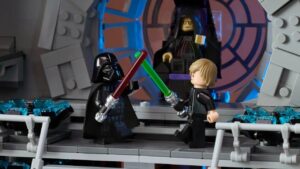
For The Empire Strikes Back and Return of the Jedi, Lucas handed the directorial reins to Irvin Kershner and Richard Marquand, respectively. This decision allowed other filmmakers to expand on Lucas's original vision while maintaining creative continuity. These two films deepened the characters and introduced darker, more complex storylines.
Digital Frontiers in the Prequel Trilogy
Years later, Lucas returned to direct Episodes I through III, released between 1999 and 2005. These films were known for their heavy use of digital technology, from fully-rendered characters to virtual sets. While the storytelling met mixed responses from fans and critics, the prequels made substantial contributions to film production methods.
Lucas also shifted the narrative lens to examine themes of government corruption, war, and moral ambiguity—an ambitious departure from the more straightforward battles of good versus evil in the original trilogy.
Revisiting Familiar Territory with New Voices
When Disney acquired Lucasfilm and revived the saga with Episodes VII through IX, the studio looked to different directors to chart the way forward. J.J. Abrams helmed The Force Awakens and The Rise of Skywalker, leaning into nostalgic visuals and practical effects while reintroducing iconic characters and story beats.
Rian Johnson, who directed The Last Jedi, opted for a different approach. His film explored subversion of expectations and challenged conventional roles—moves that were both praised and criticized. Johnson’s approach sparked conversation about balancing new themes with long-standing lore.
Impact Across Generations
Each trilogy reflects the creative and technical landscape of its time. The original films redefined summer blockbusters and introduced a serialized model that has influenced franchises ever since. The prequels accelerated the shift toward digital workflows that are now standard. The sequels, arriving in a crowded media environment, wrestled with fan expectations while integrating modern filmmaking styles.
Through each generational entry, Star Wars has remained a cultural reference point. Whether through character arcs, visual storytelling, or themes of resistance and identity, the series continues to evolve while maintaining a deep connection to its origins.
Frequently Asked Questions
Who are three Star Wars directors that could lead a revolutionary new trilogy?
Three directors who could helm a groundbreaking Star Wars trilogy are Taika Waititi, Rian Johnson, and Deborah Chow. Each brings a unique vision and storytelling style that could redefine the franchise for a new generation.
Why could Taika Waititi direct an innovative Star Wars trilogy?
Taika Waititi is known for blending humor with emotional depth and world-building, as seen in films like Thor: Ragnarok. His creative approach could bring a fresh and unexpected tone to the Star Wars universe.
What would make a new Star Wars trilogy revolutionary?
A revolutionary trilogy would feature bold storytelling, explore uncharted parts of the galaxy, introduce new characters, and take risks that challenge traditional Star Wars tropes. Innovation in visual style and tone could also set it apart.
Could Deborah Chow redefine Star Wars on the big screen?
Deborah Chow has already impressed fans by directing key episodes of The Mandalorian and Obi-Wan Kenobi. With her talent for character-driven stories and cinematic visuals, she could deliver a powerful and emotionally rich Star Wars trilogy.
Why is Rian Johnson considered for a new Star Wars trilogy?
Rian Johnson directed The Last Jedi, which challenged expectations and sparked debate among fans. His bold storytelling choices and interest in exploring new themes make him a strong contender for pushing the saga in a new direction.
Will future Star Wars trilogies be connected to the Skywalker saga?
Future trilogies are expected to move beyond the Skywalker saga, exploring different timelines, characters, and parts of the galaxy. This direction opens the door for more inventive and standalone stories.
Filipino Translation:
Alam mo, nagsimula talaga ang Star Wars dahil sa visionary na si George Lucas. Siya ang nag-create ng Star Wars: A New Hope, at dahil doon, parang nag-set siya ng bagong standard pagdating sa visual storytelling sa movies. Siya 'yung nagdirek ng A New Hope, pero sa next two movies—The Empire Strikes Back at Return of the Jedi—pinasa niya 'yung directing duties kina Irvin Kershner at Richard Marquand.
Pagdating sa prequels, bumalik si Lucas sa director’s chair. Dito siya nag-experiment sa digital filmmaking, at tinackle niya ’yung mga tema ng politics at paano kumplikado talaga ang power dynamics.
Tapos for the sequels naman, sina J.J. Abrams at Rian Johnson na ang nag-take over. Medyo challenging ’yun kasi kailangan nilang pagsamahin ’yung legacy ng old Star Wars sa fresh ideas nila. Si Abrams, na nag-direk ng The Force Awakens at The Rise of Skywalker, kilala siya sa paggamit ng practical effects at pagpiga sa nostalgia ng fans. Si Johnson naman, sa The Last Jedi, nag-try ng ibang approach sa storytelling—kaya mixed ang reactions ng mga tao, kasi syempre, ang hirap i-balance ’yung expectations ng OG fans at ng bagong generation habang pinapausad mo pa rin 'yung storya.
Pero in fairness, dahil sa style at vision ng bawat director, bawat trilogy ng Star Wars may sariling vibe at impact sa world ng cinema. Mula sa game-changing visuals na sinimulan ni Lucas, hanggang sa tech innovations sa prequels, tapos ngayon sa struggle ng sequels sa pag-combine ng tradition at bagong ideas—Star Wars talaga ang isa sa pinaka-iconic at buhay na bahagi ng film culture ngayon.
3 Star Wars directors who could direct revolutionary film trilogies in a galaxy far, far away was first published here.