The Rise of Skywalker’s Struggle with Fan Service
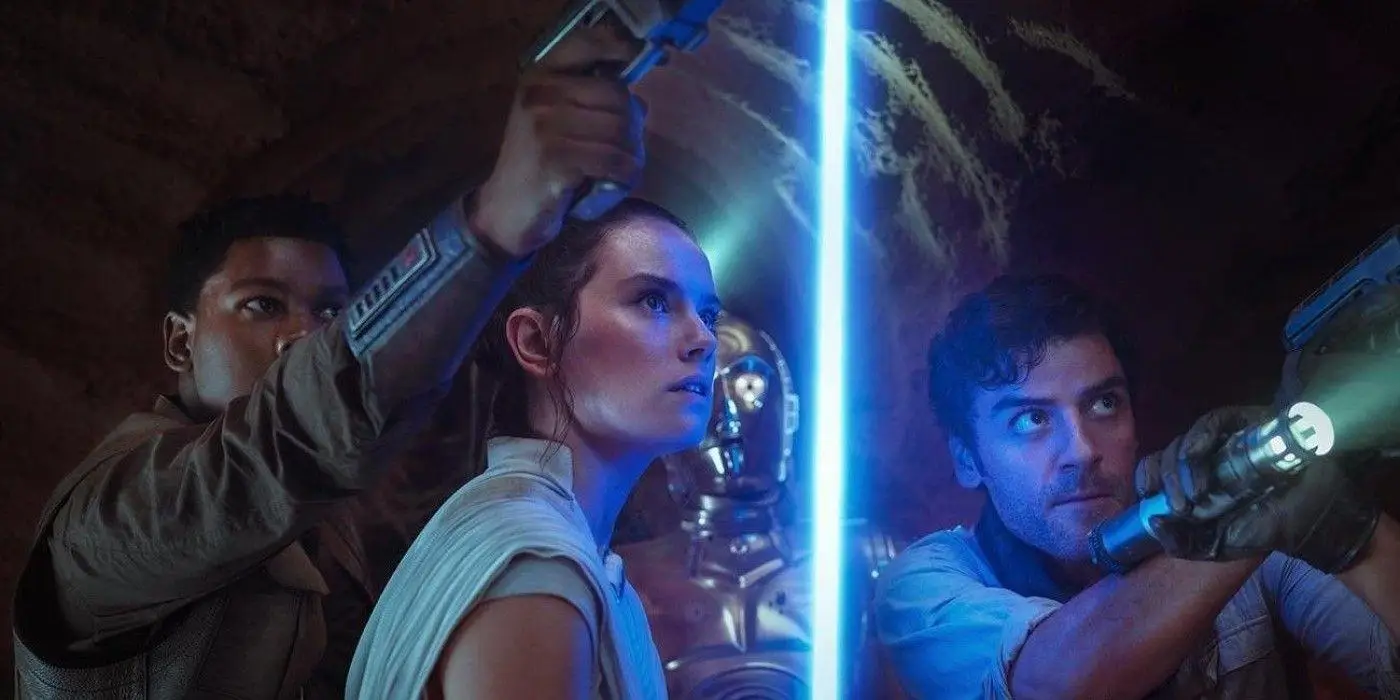
In “Star Wars: The Rise of Skywalker,” the ambitious task of crafting a thrilling conclusion to the iconic Skywalker saga is marred by a whirlwind of creative dilemmas, revealing the struggle to reconcile the divided expectations of a passionate fanbase. As the film navigates the turbulent waters stirred by its predecessor’s controversies, it finds itself entangled in a web of narrative contradictions and hasty adjustments, particularly concerning the lineage of its protagonist, Rey, and the astonishing return of the infamous Emperor Palpatine. Instead of embracing the bold directions charted by “The Last Jedi,” the movie retreats into a familiar yet disjointed patchwork of plot devices and nostalgic callbacks, leaving audiences craving deeper character arcs.
This final installment serves as a poignant reminder of the pitfalls of lacking a unified vision in franchise storytelling, as it attempts to juggle the legacy of its beloved universe with the pressures of audience appeasement. The reliance on well-trodden lore and spectacle over innovative storytelling underscores the difficulty in delivering a cohesive finale when plagued by reactive choices and an absence of creative daring. Despite the continuation of the “Star Wars” saga, the reception of “The Rise of Skywalker” highlights a crucial sentiment: sheer spectacle cannot substitute for the captivating allure of a meticulously woven narrative.
With an abundance of expectations resting on its shoulders, “The Rise of Skywalker” illustrates the chaotic dance between nostalgia and innovation, leaving fans to ponder the missed opportunities for a satisfying closure to a sweeping epic. How did a story rich with intergalactic intrigue and emotional potential become so ensnared in its attempt to please everyone, and what lessons can future tales of this beloved universe glean from its tumultuous journey? To uncover the full scope of its challenges and triumphs, delve deeper into the complexities enveloping this ambitious chapter of the galactic saga.
#StarWarsSaga #RiseOfSkywalker #CreativeChallenges #EpicConclusion #CinemaDrama #FranchiseStorytelling
Quick Takeaways:
- Balancing fan expectations across a long-running franchise can disrupt narrative cohesion.
- Reactionary storytelling often undermines character growth and ongoing arcs.
- Relying too heavily on nostalgia risks weakening emotional impact.
Managing Expectations in a Divided Fandom
Star Wars: The Rise of Skywalker attempted to deliver a dramatic conclusion to the Skywalker story. However, it faced the difficult task of pleasing an increasingly divided audience. Fallout from the previous installment, The Last Jedi, placed the filmmakers in a position where they were not just closing a story, but also trying to respond to fan backlash. Many viewers felt these pressures shaped the film's choices, leading to an experience that attempted to satisfy everyone—but often pleased no one.
Course Corrections and Compromised Storytelling
Central to the dissatisfaction were major shifts in character direction, such as the reversal of Rey's origins and the unexpected return of Emperor Palpatine. These decisions appeared to divert from previously established themes, particularly those explored in The Last Jedi. Instead of continuing the arc of character-driven growth, the film often relied on familiar plot turns and throwbacks to earlier moments in the franchise. This approach stifled organic character development and made the storyline feel disconnected.
Too Much Ground, Too Little Focus
In trying to cover extensive ground—resolving open arcs, redeeming legacy characters, and referencing past events—the film packed in an overwhelming number of plot threads. Many critics highlighted its dependence on existing mythology as a way to generate emotional weight, often at the expense of telling a clear or compelling story. As a result, what could have been a powerful close to a legendary saga came off as hurried and inconsistent.
The Influence of Planning—or Lack Thereof
The struggles faced by The Rise of Skywalker spotlight a larger issue: the absence of a long-term creative roadmap for the sequel trilogy. Without a unified direction across the three films, narrative continuity suffered. Decisions frequently appeared reactive rather than strategic. While some viewers still found moments of enjoyment, the final installment didn't fully resonate as a natural or thoughtful endpoint.
Looking Ahead for the Franchise
Although Star Wars remains a lively and enduring universe, The Rise of Skywalker highlights the challenges franchises encounter when storytelling isn't guided by a clear vision. Familiar characters and spectacular visuals may draw interest, but without depth and consistency, emotional payoff can fall short. For future entries, this experience serves as a reminder that weaving together decades of lore requires more than just connective threads—it demands storytelling with purpose.
Frequently Asked Questions
Why was The Rise of Skywalker criticized?
The Rise of Skywalker faced criticism for its rushed pacing, inconsistent plot points, and an overreliance on fan service. Many viewers also felt it failed to satisfyingly conclude the Skywalker saga.
What plot issues were in The Rise of Skywalker?
Critics pointed out major plot holes, such as the unexplained return of Emperor Palpatine and the sudden reveal of Rey’s lineage. Some plot developments seemed forced or contradicted previous story arcs.
Did changing directors affect The Rise of Skywalker?
Yes, the switch from Colin Trevorrow to J.J. Abrams mid-development led to creative shifts that disrupted story cohesion. The film appeared to undo several elements established in the previous installment, The Last Jedi.
Why did fans dislike Rey’s backstory in The Rise of Skywalker?
Many fans were disappointed that Rey was revealed to be a Palpatine, as it contradicted the earlier message that heroes can come from any background. This twist felt like a retcon that reduced the character’s original appeal.
Was The Rise of Skywalker rushed in production?
Yes, the film had a compressed production schedule, with major script revisions happening just months before filming. This may have contributed to the feeling of an overstuffed narrative and underdeveloped character arcs.
How did The Rise of Skywalker handle legacy characters?
The film faced backlash for underusing or mishandling legacy characters like Luke Skywalker and Rose Tico. Some fans felt their roles lacked impact or sidelined storylines developed in previous episodes.
Filipino Translation:
"Star Wars: The Rise of Skywalker" isa sa mga example ng hirap pagdating sa pag-manage ng creative decisions pag dating sa isang sobrang love na saga. Gusto sana ng movie na bigyan ng solid at exciting na ending yung Skywalker story, pero nadala siya ng issues at kontrobersyang nangyari sa movie before it, tapos ang taas pa ng expectations ng divided na fanbase. Sabi nga ng ibang critics, parang sa sobrang dami ng gustong i-please at dami ng callbacks sa past movies, naging sobrang siksik yung movie to the point na parang hindi na siya satisfying. Medyo pilit na, kumbaga, so ang dating tuloy parang hindi siya bagay o hindi enough bilang big ending ng saga.
Ang core ng disappointment na 'to galing sa mga bagay na parang kinontra nila o binawi nila sa story. Katulad na lang ng tungkol sa ancestry ni Rey, tapos biglang bumalik si Emperor Palpatine—na hindi rin masyadong napaliwanag nang maayos. Imbes na ituloy yung direction na in-explore sa "The Last Jedi," parang nag-backtrack sila dahil sa backlash, so ang dulo, naging magulo yung daloy at naka-miss pa sa chance na i-grow pa yung mga characters. Halatang may mga parts na parang nilagay lang basta para masabing nandun, at parang checklist na lang yung dating—hindi cohesive o natural.
Yung naging effect ng "The Rise of Skywalker," lesson siya kung gaano ka-challenging mag-maintain ng consistent storytelling sa isang franchise na walang clear na long-term plan. Dahil kulang sa solid creative vision at puro reaction-based na decisions, plus masyadong umasa sa nostalgia at throwbacks, yung ending tuloy ng sequel trilogy hindi nag-feel na epic conclusion. Parang patchwork siya ng mga bagay na gusto ng iba’t ibang fans. Oo, tuloy pa rin naman yung "Star Wars" universe, pero base sa naging reception ng pelikula, malinaw na hindi sapat ang spectacle lang—kailangan din talaga ng matapang at well-thought-out na storytelling.
What Went Wrong With Star Wars: The Rise Of Skywalker? was first published here.