Star Wars Needs to Rediscover the Power of Hope in Its Upcoming Films
In a galaxy where hope has always been the beacon against encroaching darkness, the Star Wars saga grapples with its legacy of optimism amidst perpetual conflict. From the promise born with Luke and Leia to the cyclical battles that cast doubt in the sequels, Star Wars wrestles with the endurance of its hopeful narrative. With Andor threading a delicate balance between struggle and optimism, the franchise faces a pivotal choice as it transitions back to theaters with The Mandalorian and new post-sequel narratives. Can Star Wars reignite the flame of hope envisioned by George Lucas, or will it succumb to an endless battle with resurgent darkness? These questions loom as Star Wars stands at the crossroads of its storied mythos, daring fans to embark on the next chapter.
#StarWarsLegacy #HopeVsDarkness #FutureOfTheForce #GalacticCrossroads #RebelHeart
Quick Takeaways:
- Hope has always been central to Star Wars storytelling.
- The sequel trilogy questions the lasting impact of victory.
- Newer series offer a more thoughtful balance between realism and optimism.
- The future of the franchise will be shaped by whether it honors its original ideals or repeats past cycles.
Hope at the Heart of the Original Trilogy
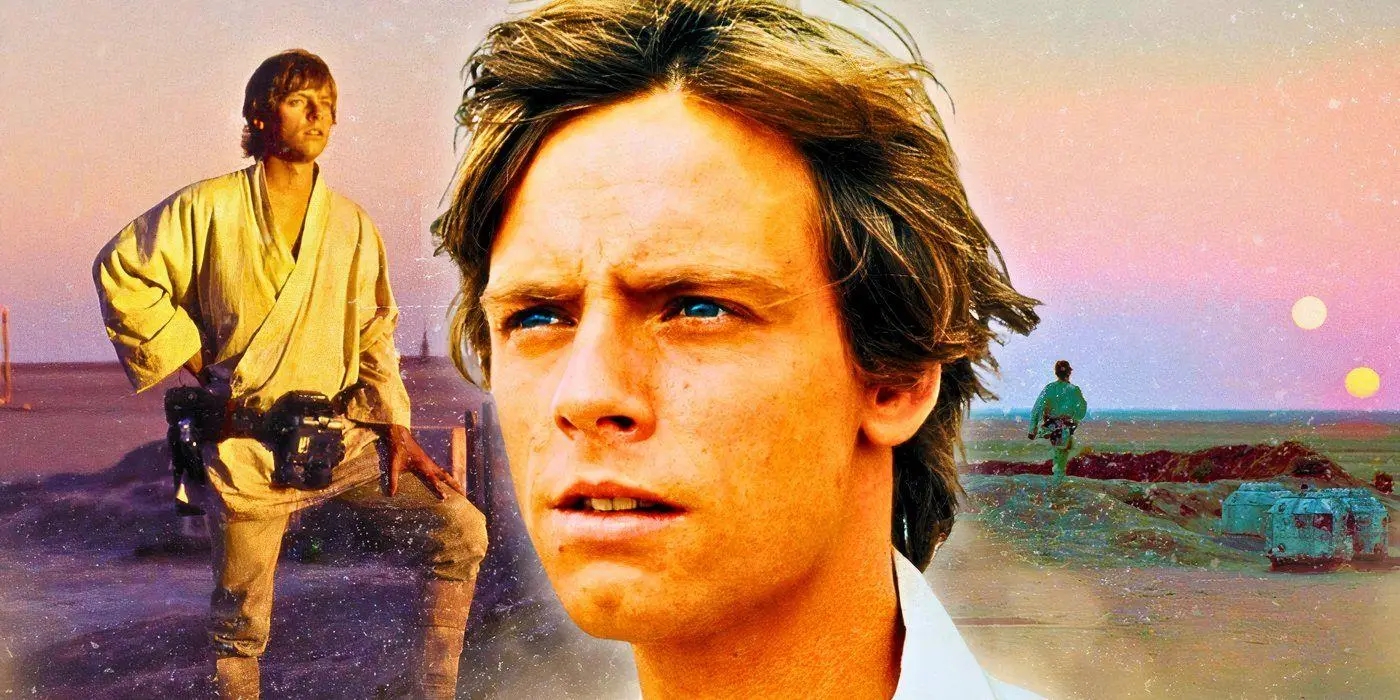
From the very beginning, Star Wars was powered by hope. George Lucas crafted the original trilogy as a story about the persistence of light, even in the face of overwhelming darkness. Audiences were introduced to a galaxy ruled by fear, but through rebels, unexpected heroes, and a belief in something better, a sense of optimism shone through. This was not just a stylistic choice—it was a direct answer to the uncertain political atmosphere of the late 20th century.
The Prequels: Tragedy with a Thread of Optimism
Though often remembered for politics and betrayal, the prequels didn’t abandon the franchise’s hopeful roots. In the midst of war, manipulation, and the crumbling of the Jedi Order, small acts of belief endured. Padmé Amidala's final words about the good that still existed—spoken as she gave birth to Luke and Leia—pointed to a future that hadn't yet given up.
The Sequels: A Cyclical Struggle
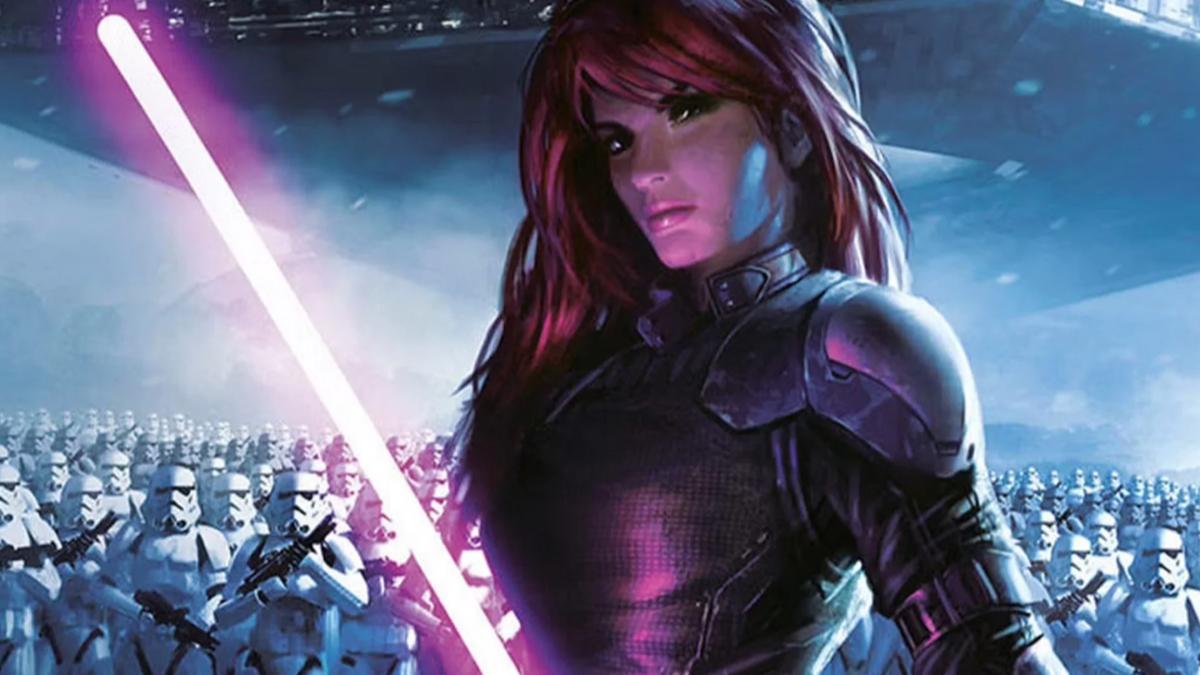
The trilogy that followed decades later painted a more pessimistic view. The Rebellion, once victorious, gave way to the rise of a similar enemy under a new name: the First Order. The heroes of the past failed to maintain what they had won, leading to a sense that no achievement truly lasts. Instead of progress, the galaxy seemed stuck in a repeating pattern, which made some question whether hope had any real staying power in this universe.
A More Grounded Take in Recent Series
Series like Andor depict the birth of rebellion with grounded realism. The cost of change feels more present and personal. While still speculative, the second season appears positioned to continue exploring how hope can survive through struggle, without losing the emotional weight that gives it meaning. This approach has resonated with those looking for deeper storytelling without abandoning Star Wars’ emotional core.
A Turning Point for the Franchise
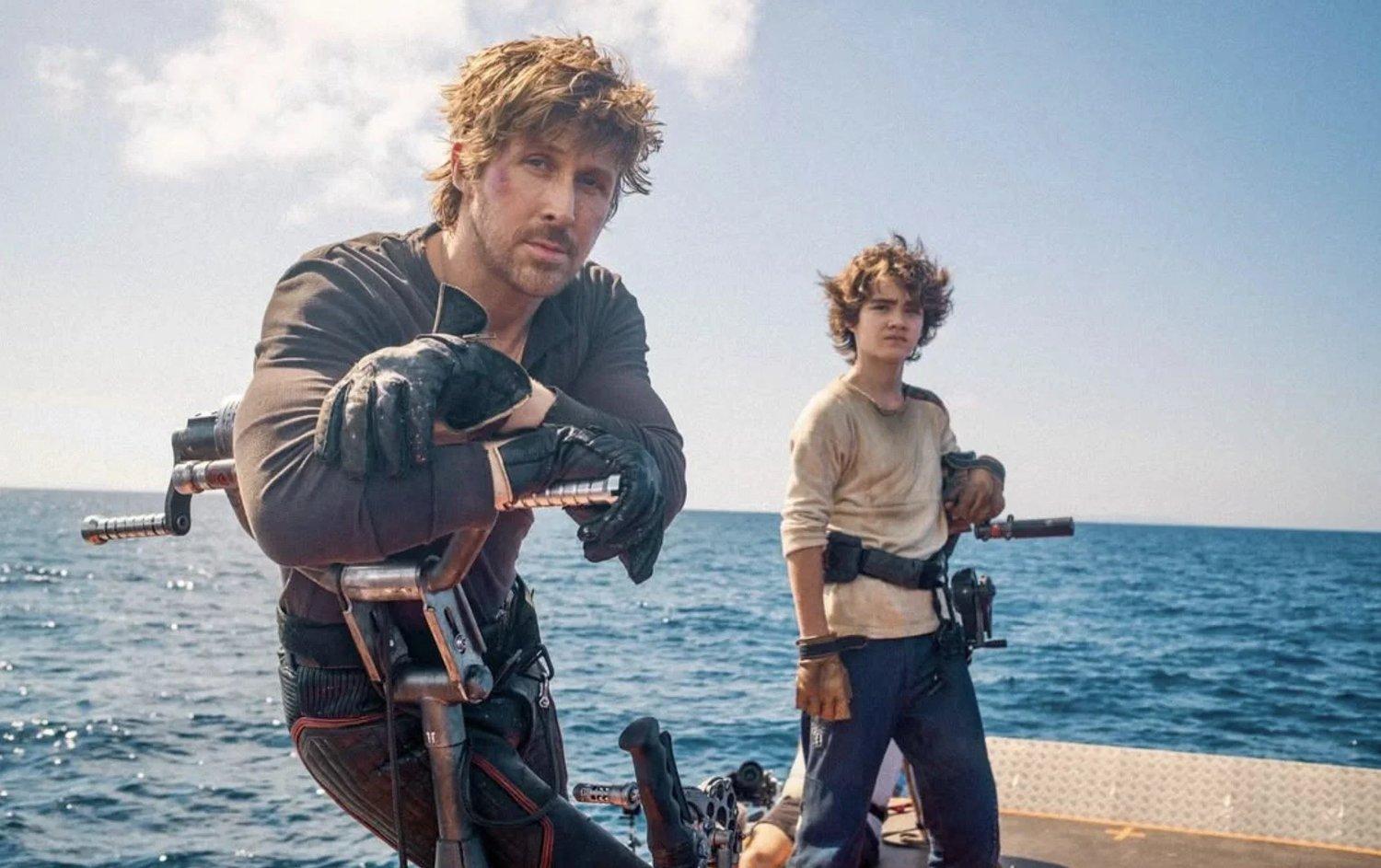
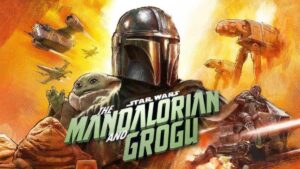
With The Mandalorian and Grogu set to appear on the big screen and Star Wars: Starfighter aiming to chart the post-Skywalker era, the series stands at a fork in the road. One path repeats the cycle—another version of the Empire returning, more battles echoing the last. The other tries to move forward, exploring what it means to rebuild, heal, and imagine a galaxy where triumph is more than temporary.
Lucas originally told his story to inspire belief—that individuals could make a difference, that things could improve. If Star Wars wants to remain meaningful, it can’t forget that message. Without hope, it risks becoming just another story about endless war.
Frequently Asked Questions
What do upcoming Star Wars movies need to do to succeed?
Future Star Wars movies need to focus on telling compelling, character-driven stories that honor the franchise’s legacy while pushing it forward. Striking the right balance between nostalgia and innovation is key to keeping fans engaged and attracting new audiences.
Why is having a clear direction important for Star Wars’ future films?
A clear narrative direction helps build a cohesive universe that fans can invest in over time. Without it, the franchise risks confusion and fatigue due to inconsistent tone, characters, or storylines.
How can Star Wars avoid repeating past mistakes in its next movies?
By learning from fan feedback and focusing on strong storytelling, well-developed characters, and consistent world-building, Star Wars can move beyond the missteps of recent sequels. Avoiding overreliance on nostalgia is also crucial.
Are new Star Wars movies focusing too much on nostalgia?
Some recent films have leaned heavily on familiar characters and settings, which can limit creative growth. New movies need to evolve the universe with fresh stories while still respecting what came before.
What role do new characters play in the success of future Star Wars movies?
New characters are essential to revitalizing the franchise and expanding its narrative potential. When done well, they can become fan favorites and lay the foundation for long-term storytelling.
Should the next Star Wars movies break away from the Skywalker saga?
Yes, breaking away from the Skywalker storyline allows more room for creative freedom and world-building. It gives filmmakers the chance to explore untapped areas of the galaxy and develop original arcs.
How important is director vision in shaping the success of Star Wars films?
Having a strong, consistent creative vision from the director plays a crucial role in making a Star Wars movie memorable and meaningful. It helps maintain tone, pacing, and emotional depth across the film.
Filipino Translation:
Hope talaga ang pinaka-core ng Star Wars, diba? Yung original na trilogy, ginamit talaga yung hope and optimism para labanan yung darkness na kumalat sa galaxy. Kahit dun sa prequels na sobrang gulo ng politics at dami ng tragedy, nandun pa rin yung hope—lalo na nung pinanganak yung kambal at sa huling sinabi ni Padmé na may kabutihan pa rin sa mundo.
Pero nung sequels, iba na yung vibe. Parang panandalian lang yung panalo ng Rebellion, tapos bumalik bigla yung mga dating kalaban dahil sa mga pagkukulang ng heroes. Kaya parang naging cycle na lang ng gulo yung Star Wars, and medyo naging questionable tuloy kung may long-term effect pa ba yung hope. Unlike sa sequels, yung Andor medyo balanced—may struggle pero meron pa ring hint ng optimism. Though to be fair, di pa sure ano mangyayari sa Season 2.
Ngayon, with The Mandalorian at si Grogu na magbabalik sa big screen, tapos susunod pa yung Star Wars: Starfighter para i-explore yung after ng The Rise of Skywalker, kailangan talagang maingat yung franchise sa direction nila. Kasi nga, as noted, "It would be so tempting for Star Wars to start doubling down on the Empire’s inevitable return… but that would be a mistake. Where's the hope in that?" From the beginning naman, ginawa ni George Lucas ang Star Wars sa gitna ng real-world na gulo sa politics, kaya intended talaga siya to inspire hope and the belief na light will eventually win over darkness.
There’s One Major Thing Star Wars’ Next Movies Have To Get Right If The Franchise Is Going To Succeed was first published here.