The Real Story Behind the Emperor’s Portrayal in Star Wars
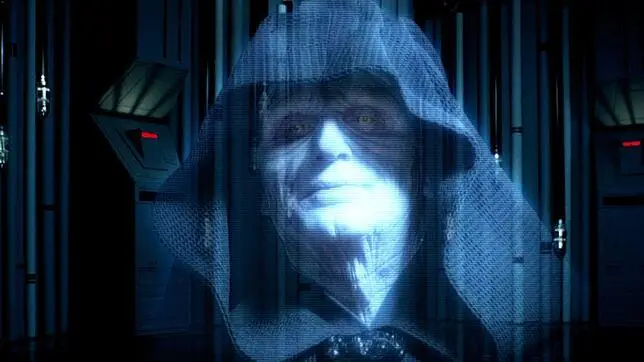
Many Star Wars enthusiasts are familiar with Emperor Palpatine as the saga’s sinister cornerstone, yet few know that the character’s first appearance in “The Empire Strikes Back” was visually embodied by a heavily made-up Marjorie Eaton, with the gravely voice of Clive Revill conveying the Emperor’s dark intent. Initially, George Lucas contemplated a series of corrupt emperors, but the concept crystallized into the singular, powerful figure of Palpatine—now an iconic symbol of malevolent authority in the galaxy far, far away. Before Ian McDiarmid’s seamless takeover, a blend of creative experimentation and shifting narratives signaled the character’s journey to its final, unforgettable male identity. This tale of transformation beckons Star Wars fans to explore how one of cinema’s definitive villains developed from an enigmatic shadow into the embodiment of galactic tyranny. Discover the enigmatic evolution behind the dark lord’s rise to infamy and how a cinematic legend was born. #StarWars #EmperorPalpatine #FilmHistory #SciFiLegends #BehindTheScenes
Quick Takeaways:
- Emperor Palpatine's first screen appearance was a unique blend of actors and effects.
- The character’s development shifted over time before becoming the central antagonist.
- Early versions included multiple corrupt rulers instead of one central villain.
Early Visual Portrayal of the Emperor
When The Empire Strikes Back was released in 1980, audiences were introduced to a mysterious new figure: the Emperor. Unlike the clear-cut portrayal fans would come to recognize later, the original version of this character was brought to life using a combination of visual and vocal elements. Actress Marjorie Eaton played the Emperor under layers of heavy makeup, giving the character a ghostly, inhuman appearance. Meanwhile, actor Clive Revill provided the voice, creating a composite that felt otherworldly and unsettling. Despite Eaton’s presence on screen, the character was intended to be male from the beginning.
Shifting Behind-the-Scenes Ideas
Before Emperor Palpatine became the central villain of the saga, George Lucas explored different story possibilities. One early concept involved a rotating line of corrupt emperors rather than a single authoritarian figure. Over time, those ideas distilled into one main antagonist: Palpatine. This narrowed focus helped shape the larger story arc, eventually positioning him as the mastermind behind the galaxy’s descent into tyranny.
A Character That Evolved Over Time
The Emperor seen today is largely the result of revisions and recastings. In later editions of The Empire Strikes Back, Ian McDiarmid’s performance replaced earlier versions for continuity with the prequel trilogy, where he played a larger role. These changes created a seamless thread through the saga and helped redefine Palpatine as the embodiment of evil across multiple generations of Star Wars storytelling.
Legacy of a Villain
Even though multiple creative choices contributed to the Emperor as fans know him now, his story began with a less unified version. The evolution—from a mix of actors and makeup effects to a single, consistent portrayal—reflects how the character was gradually refined. Over time, Palpatine emerged not just as a figure of power, but as a symbol of corruption and manipulation in the wider galaxy.
Frequently Asked Questions
Was the first Emperor in Star Wars originally a woman?
Yes, in the original version of The Empire Strikes Back, the hologram of the Emperor was portrayed using a composite of a woman’s face, enhanced with chimpanzee eyes and voiced by a male actor.
Who played the original Emperor Palpatine before Ian McDiarmid?
In the 1980 version of The Empire Strikes Back, the Emperor was created using special effects that combined an actress’s face, chimpanzee eyes, and voice-over by Clive Revill, before Ian McDiarmid was cast in later versions.
Why was the original female Emperor in Star Wars replaced?
The original portrayal was replaced to create consistency across the Star Wars saga, especially after Ian McDiarmid was cast as Emperor Palpatine in Return of the Jedi and the prequels.
Is Ian McDiarmid the only actor to play Emperor Palpatine?
No, Ian McDiarmid became the definitive Palpatine in later films, but the character was originally portrayed through a combination of effects, including footage of a woman, before he was digitally inserted in newer versions.
In which Star Wars movie was a woman used to depict the Emperor?
The Empire Strikes Back (1980) originally featured a brief holographic appearance of the Emperor using a woman’s face as part of the special effects.
Was the Emperor’s appearance changed in later Star Wars releases?
Yes, George Lucas updated the character’s appearance in the 2004 DVD release by replacing the original version with a new scene featuring Ian McDiarmid to match continuity with the prequel trilogy.
Filipino Translation:
Most Star Wars fans kilala si Emperor Palpatine as yung ultimate kontrabida sa buong saga, diba? Pero alam mo ba, sa original 1980 version ng "The Empire Strikes Back," si Emperor ay actually ginampanan ni actress Marjorie Eaton—oo, babae—pero naka-heavy makeup siya para magmukhang mysterious yung character. Kahit ganun, lalaki pa rin yung pagkakasulat sa character at si Clive Revill ang nagbigay ng boses niya.
Iba’t ibang actors din ang tumulong sa pagbuo ng Emperor bago pa naging standard si Ian McDiarmid sa mga sumunod na releases. Si Lucas noon nagka-idea pa na dapat parang serye ng mga corrupt emperors, hindi lang isa. Pero eventually, nag-focus na lang kay Emperor Palpatine, na naging simbolo na talaga ng power at corruption sa Star Wars universe.
Kung iisipin mo, ang daming changes sa casting at story development, pero grabe no, nag-evolve talaga si Palpatine bilang isa sa pinaka-iconic na villains sa pelikula. Interesting din na kahit ang daming nagbago, consistent pa rin silang ginawa siyang guy sa lahat ng story drafts.
The first emperor in ‘Star Wars’ was a woman, but she was replaced in later versions was first published here.