What Should Star Wars TV Do Next? The Case for Young Starkiller in the Rebellion Era
The recent critical and commercial success of Andor has proven something many Star Wars fans have long suspected: audiences are hungry for grounded, character-driven storytelling within the galaxy far, far away. Tony Gilroy’s masterpiece demonstrated that Star Wars television works best when it focuses on the human cost of galactic conflict, trading spectacle for substance and quips for genuine emotional weight. As Disney contemplates the future of Star Wars television, the question isn’t whether to build on Andor‘s foundation—it’s how to do it right.
The answer lies not in retreating to safer, more familiar territory, but in boldly expanding the rebellion era with a character who could perfectly bridge the gap between Andor‘s political realism and Star Wars’ mystical traditions. It’s time to bring a young Starkiller—Galen Marek—into official canon as a teenage Force user navigating the same dangerous galaxy that made Andor so compelling.
Building on Andor’s Foundation
Andor succeeded because it understood that the most interesting Star Wars stories often happen in the margins of the main saga. While other Disney+ series have struggled with fan service and nostalgia-baiting, Andor carved out its own space by focusing on the period when the Rebellion was finding its identity. The show’s exploration of how ordinary people become revolutionaries, how hope emerges from despair, and how personal choices ripple into galactic consequences created television that felt both intimately human and epically significant.
This rebellion era—roughly 5-0 BBY (Before the Battle of Yavin)—represents Star Wars television’s sweet spot. The Empire is at its most powerful and oppressive, the Rebellion is fragmented and desperate, and the outcome of their conflict carries genuine tension despite our knowledge of the original trilogy’s events. It’s a time period rich with narrative possibilities, where stories can explore the moral complexity of resistance without the burden of explaining how it all leads to Palpatine’s return or the sequel trilogy’s conflicts.
Enter Young Starkiller: Coming of Age in the Empire’s Shadow
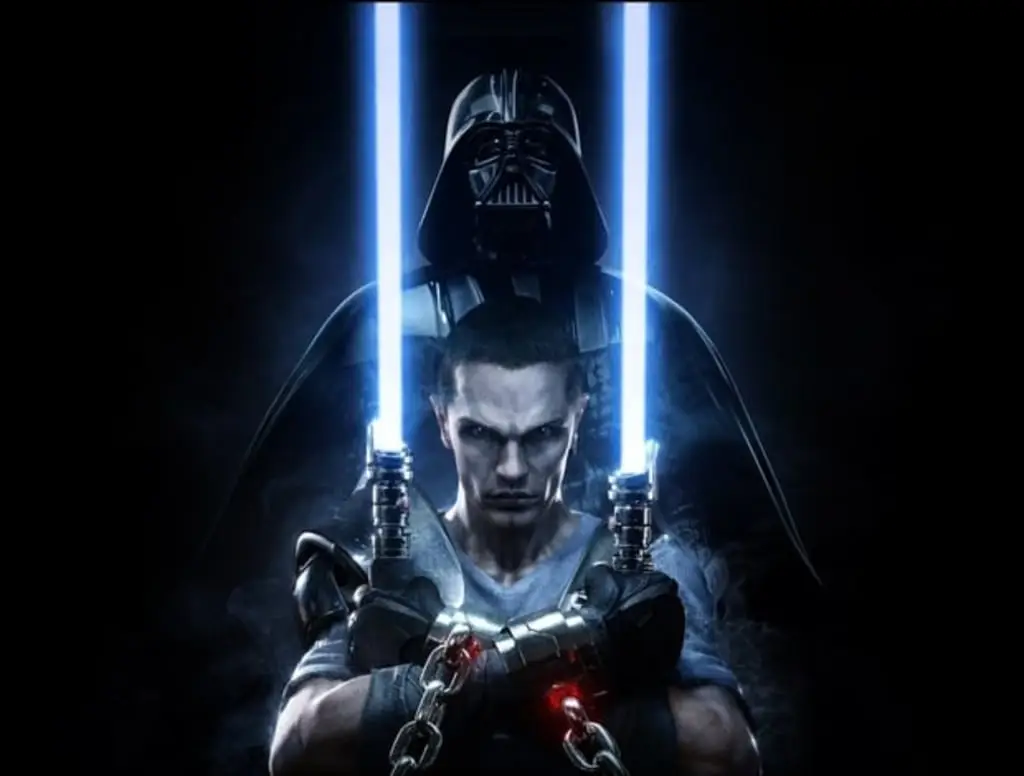
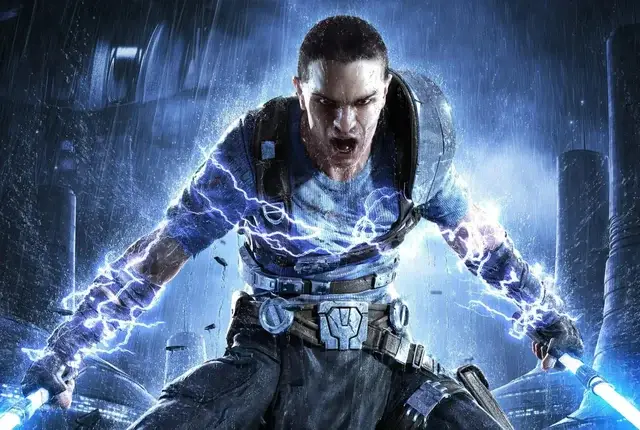
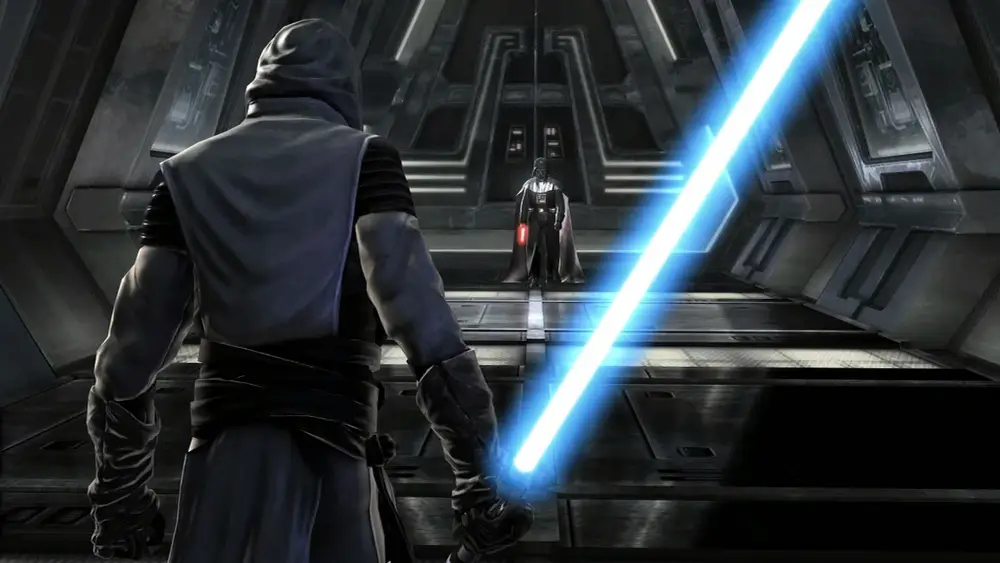
For those unfamiliar with the character, Galen Marek—codenamed Starkiller—originated in the Force Unleashed video games as Darth Vader’s secret apprentice. In the Legends continuity, he was a powerful Force user raised from childhood to be a weapon against the Emperor. However, reimagining his story to focus on his teenage years—the crucial period when he’s old enough to question but not yet powerful enough to rebel—offers compelling new possibilities.
Picture a 16-18 year old Galen, taken as a child after Vader killed his father, now being molded into the perfect Imperial weapon. He’s incredibly gifted with the Force but still learning to control it. He’s beginning to develop his own thoughts and feelings but remains psychologically dependent on his master. Most importantly, he’s at that crucial age where young people begin to question authority and form their own moral compass—exactly the kind of internal conflict that made Andor‘s character development so compelling.
This version of Starkiller would allow the series to explore themes of adolescence, identity formation, and moral awakening against the backdrop of galactic oppression. Unlike the overpowered adult version from the games, a teenage Galen would be vulnerable, uncertain, and still discovering who he wants to become. His journey wouldn’t be about redemption—it would be about formation, about becoming a person rather than remaining a weapon.
The Perfect Coming-of-Age Story
Young adult protagonists have always been central to Star Wars, from Luke’s farm boy dreams to Ezra’s street thief survival instincts. A teenage Starkiller series could tap into this tradition while offering something genuinely new: a coming-of-age story set entirely within the Empire’s machinery of oppression.
Imagine Galen’s daily life as Vader’s apprentice—training sessions that blur the line between education and abuse, missions that force him to confront the human cost of Imperial rule, and quiet moments of doubt when he wonders what his life might have been like if his father had lived. These personal struggles would naturally intersect with the larger political landscape that Andor explored so effectively.
The series could show Galen gradually becoming aware of the Empire’s true nature not through grand revelations, but through small, accumulating experiences. Perhaps he witnesses Imperial brutality during a mission and begins to question whether the “greater good” he’s been taught to serve is actually good at all. Maybe he forms an unexpected friendship with someone he’s supposed to consider an enemy. These quiet moments of moral awakening would be far more powerful than any lightsaber duel.
Bridging Worlds: The Mystical and the Mundane
One of Andor‘s greatest strengths was its commitment to showing how the galaxy’s political struggles affect regular people. A young Starkiller series could maintain this grounded approach while reintroducing Force users in a way that feels organic rather than obligatory. A teenage Galen, still learning to control his abilities, would naturally create situations where his power causes as many problems as it solves.
His Force sensitivity could be both a gift and a curse—it makes him valuable to Vader but also isolates him from normal human connections. His training in combat makes him formidable but his youth makes him emotionally vulnerable. His position as Vader’s apprentice gives him access to Imperial secrets but also makes him complicit in atrocities he’s beginning to understand are wrong.
This approach would allow the series to satisfy longtime Star Wars fans who want to see lightsaber training and Force powers while maintaining the mature, realistic tone that made Andor such a critical success. Galen’s struggles with his identity and growing moral awareness would ground the mystical elements in recognizable human emotions—the universal experience of adolescence, but set against the backdrop of galactic tyranny.
Character Potential: The Weapon Learning to Be Human
The beauty of focusing on young Starkiller lies in the fundamental questions his story would explore: How do you develop empathy when you’ve been trained to see others as obstacles? How do you form your own identity when someone else has been shaping you since childhood? How do you learn to make moral choices when you’ve never been allowed to make any choices at all?
These are coming-of-age questions that would resonate with audiences of all ages, but they take on special significance when set against the backdrop of the Empire’s oppression. Galen’s personal journey toward independence would mirror the galaxy’s struggle for freedom, making his individual growth feel connected to the larger saga without requiring him to single-handedly change the course of galactic history.
The series could explore these themes through Galen’s relationships with various characters. His complicated dynamic with Vader—part father figure, part captor, part tormentor—could provide ongoing tension and emotional depth. Relationships with other young Imperials could show how different people respond to the same indoctrination. Most powerfully, encounters with civilians and rebels could gradually open his eyes to perspectives he’s never been allowed to consider.
A romantic subplot could be particularly effective, showing how someone who’s been trained to use others learns what it means to genuinely care for another person. The awkwardness and intensity of first love would humanize Galen in ways that adult relationships might not, while also raising the stakes of his eventual choice between loyalty to the Empire and loyalty to his own emerging conscience.
The Training Years: Vader as Dark Father Figure
One of the most compelling aspects of a young Starkiller series would be its exploration of Vader’s role as a twisted father figure. The relationship between master and apprentice in Sith tradition is always complex, but focusing on Galen’s formative years would allow the series to explore the psychology of abuse, control, and conditional love in ways that adult-focused stories couldn’t.
Vader’s training methods would be harsh but not cartoonishly evil—he genuinely believes he’s preparing Galen for a hostile galaxy, and there would be moments of something resembling affection between them. This complexity would make Galen’s eventual awakening more difficult and more meaningful. It’s easier to rebel against a monster than against someone who saved you, fed you, and taught you everything you know, even if their methods were wrong.
The series could show how Vader uses both punishment and reward to shape Galen’s behavior, creating the kind of psychological dependency that makes breaking free so difficult. Galen’s growing awareness that this relationship is unhealthy would be a crucial part of his character development, offering viewers a powerful exploration of how people escape cycles of control and manipulation.
Addressing the Challenges
Focusing on a young Starkiller would actually solve many of the problems that would come with adapting the adult version of the character. A teenager wouldn’t have the reality-bending Force powers of the games—his abilities would be impressive but still developing, making them feel more grounded and realistic. His youth would explain why he doesn’t appear in the original trilogy (perhaps his story ends with him choosing to disappear and live a quiet life), and it would make his emotional vulnerability feel natural rather than forced.
The key would be treating Galen’s age as a strength rather than a limitation. Young adult protagonists can carry complex, sophisticated storylines while remaining relatable to broad audiences. Shows like Avatar: The Last Airbender and The Clone Wars have proven that younger characters can anchor serious, mature storytelling without talking down to viewers.
The series would need to balance Galen’s youth with the darker themes inherent in his story. His training under Vader couldn’t be sanitized, but it also couldn’t be gratuitously violent. The focus should be on psychological control and emotional manipulation rather than physical abuse, which would be more in keeping with Andor‘s sophisticated approach to depicting oppression.
Visual and Tonal Approach
A young Starkiller series could maintain Andor‘s visual realism while allowing for slightly more fantastical elements appropriate to Force-focused storytelling. Galen’s training sessions could be visually striking without being over-the-top, focusing on precision and control rather than raw power. His lightsaber would be a tool he’s still learning to master, not an extension of his will.
The production design could explore new corners of the Star Wars universe—Vader’s secret training facilities, hidden Imperial installations, and the private spaces where the Empire’s elite live and work. These settings would offer opportunities for both intimate character moments and larger action sequences while maintaining the lived-in, realistic aesthetic that made Andor so visually compelling.
The Broader Strategic Picture
From a business perspective, a young Starkiller series would offer Disney significant advantages. It would attract younger viewers who might not have connected with Andor‘s more mature political themes while still maintaining the sophisticated storytelling that made that series such a critical success. The coming-of-age format has proven popular across multiple demographics, and the Star Wars setting would give it broad appeal.
The series could also serve as a bridge between different generations of Star Wars fans. Older fans familiar with the Legends continuity would appreciate seeing Starkiller brought into canon, while younger viewers would connect with Galen’s adolescent struggles and moral awakening. Parents who loved Andor could watch with children who might find a teenage protagonist more relatable.
Additionally, focusing on Galen’s youth would allow for multiple seasons tracking his development over several years. The series could evolve with its protagonist, starting with his early training and gradually building toward his eventual break with Vader and the Empire. This long-term storytelling approach would allow for the kind of character development that makes television series truly memorable.
Educational and Thematic Value
Beyond entertainment, a young Starkiller series could offer valuable lessons about critical thinking, moral courage, and resisting indoctrination—themes that resonate strongly in our current political climate. Galen’s journey from unquestioning obedience to moral awareness could provide a framework for discussing how young people can think independently while respecting legitimate authority.
The series could explore how propaganda works, how people can be manipulated through fear and false promises, and how individual choices can collectively create systemic change. These themes would feel natural within Galen’s story while offering viewers tools for understanding their own world.
Most importantly, the series could demonstrate that young people have agency and moral responsibility even when they’re constrained by circumstances beyond their control. Galen’s story would show that you can choose to be better than the world that made you, even when that choice is difficult and dangerous.
Why This Matters Now
The success of Andor represents a turning point for Star Wars television, proving that audiences will embrace sophisticated, character-driven storytelling that treats the Star Wars universe as a place where real emotions and meaningful choices matter. A young Starkiller series would build on this foundation while expanding the potential audience and exploring new thematic territory.
In our current moment, stories about young people questioning authority and forming their own moral compass feel particularly relevant. Galen’s journey from isolation to connection, from obedience to independence, from weapon to person, offers a powerful metaphor for anyone struggling to find their place in a complex and often hostile world.
The series could also address the specific challenges facing young people today—questions about identity, belonging, purpose, and moral responsibility in an interconnected but divided world. By setting these universal themes within the Star Wars universe, the series could reach viewers who might not otherwise engage with more direct explorations of these issues.
The Path Forward
The rebellion era offers Star Wars television its best opportunity to build on Andor‘s success while expanding in new directions. A young Starkiller, reimagined as a teenage Force user struggling to form his own identity under Vader’s oppressive tutelage, could be the perfect protagonist for this expansion. His story would allow for the political complexity and human drama that made Andor so compelling while introducing mystical elements in a way that feels organic and meaningful.
The key is approaching the character with the same commitment to authentic storytelling that made Andor such a critical success. Galen’s journey from weapon to person, from isolation to connection, from unquestioning obedience to moral courage, offers rich material for multiple seasons of character-driven television. His unique position within the Empire’s inner circle would allow the series to explore the personal cost of tyranny from a fresh perspective.
As Disney contemplates the future of Star Wars television, focusing on young Starkiller represents an opportunity to honor both the franchise’s mythic traditions and its potential for sophisticated character development. The coming-of-age format would attract new audiences while satisfying existing fans, and the rebellion-era setting would maintain continuity with Andor‘s successful approach.
The galaxy far, far away has always been at its best when it uses fantastical settings to explore very human truths. A young Starkiller series could continue that tradition, offering viewers a story about growing up, finding your voice, and choosing to be better than the world that made you. In a universe full of chosen ones and ancient prophecies, sometimes the most powerful story is simply about a young person learning to choose for themselves.
Galen Marek’s story is ready to be told—not as a tale of ultimate power or cosmic destiny, but as something far more relatable and ultimately more inspiring: the story of a young person finding the courage to become who they really are. That’s the kind of Star Wars story we need right now, and it’s exactly the kind of story that television does best.