REASSESSING REY: A FRESH PERSPECTIVE ON THE STAR WARS SEQUEL TRILOGY
Is Rey the Most Misunderstood Hero in Star Wars? New Analysis Reveals Surprising Insights into Her Complex Character Journey
#StarWars #ReyCharacter #SciFiHeroes #MovieAnalysis #PopCultureReview
Quick Takeaways:
- Fans and critics are reexamining Rey's character in the sequel trilogy.
- Rey’s journey presents a complex and relatable protagonist, despite larger storytelling challenges.
- The trilogy’s inconsistent narrative remains a point of division among Star Wars fans.
Reevaluating Rey: A More Nuanced Character Amid a Controversial Narrative
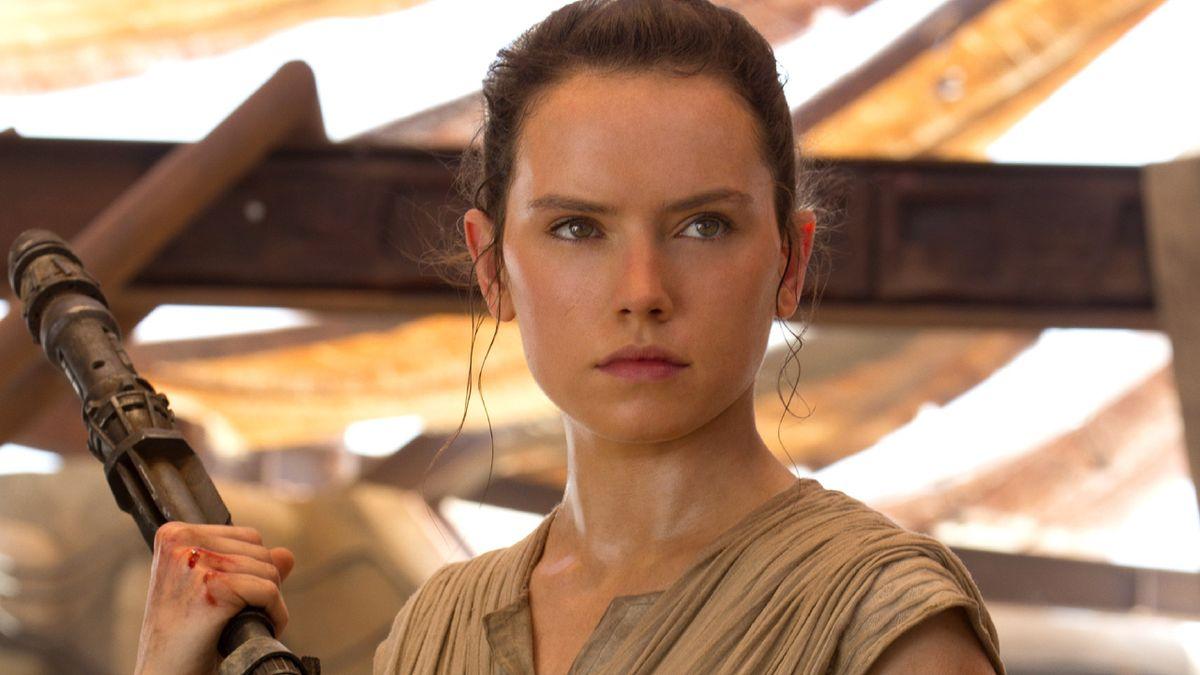
In a recent reevaluation, both fans and critics are beginning to reconsider their initial reactions to Rey, portrayed by Daisy Ridley. Although much of the original criticism was tied to broader issues with the sequel trilogy, a closer look at Rey’s character reveals surprising depth and complexity.
Rey's evolution, from a scavenger on Jakku to a formidable Force user, has sparked much discussion. Her arc, which includes battles with trust, doubt, and even moments of vengefulness, adds layers to her heroic image. As Daisy Ridley remarked in a recent interview, 'Rey's strength comes from her vulnerability and her willingness to confront her fears.'
The Sequel Trilogy’s Storytelling: A Source of Debate
The broader storytelling of the sequel trilogy has been a major point of contention among many Star Wars fans. Unlike the original trilogy, known for its clear and cohesive arc, the sequel films introduced several plot threads that were either underdeveloped or abandoned.
For instance, one of the most divisive aspects was Rey’s parentage, initially teased in The Force Awakens as a major mystery. This promise was radically altered over the course of the trilogy, causing mixed reactions within the fandom.
Similarly, other characters' arcs suffered from inconsistent storytelling. Finn’s promising start as a stormtrooper-turned-rebel remains underdeveloped by the conclusion of The Rise of Skywalker. Rose Tico’s character, introduced in The Last Jedi, saw a diminishing role in the final film, leaving some fans disheartened.
Rey's Endurance as a Protagonist
Despite the narrative challenges, Rey remains a compelling character in the Star Wars universe. Her internal struggles with identity, power, and her place in the galaxy resonate powerfully with many viewers. As Star Wars author Claudia Gray noted, 'Rey's journey is about finding her place in the galaxy, which is something we can all relate to.'
Expanding Star Wars Lore: A Divisive Force
The introduction of new Force abilities and lore in the sequels has also divided the fanbase. While some fans and critics appreciated the expanded possibilities, others believed these new developments contradicted long-established rules of the Star Wars universe. Director J.J. Abrams, who helmed The Force Awakens and The Rise of Skywalker, tried to justify this more adventurous approach, saying 'We wanted to push the boundaries of what the Force could do while staying true to its essence.'
Conclusion: Finding Rey's Value in the Sequel Trilogy
While the Star Wars sequel trilogy struggled with narrative consistency, Rey, as a central protagonist, shines through as an intriguing and relatable figure. Her journey touches on universal themes of identity, belonging, and emotional growth, making her story one that continues to resonate. As initial reactions to the sequels fade, many fans and critics are finding Rey’s character offers a valuable contribution to the Star Wars saga—flaws and all.
Frequently Asked Questions
Why do some people now think we were too hard on Daisy Ridley’s Rey?
After rewatching the Star Wars sequel trilogy, some fans believe Rey was unfairly judged due to high expectations and initial criticisms. Many now appreciate Daisy Ridley’s performance and Rey’s complexity in the context of the larger Star Wars narrative.
Is Rey’s character more compelling on a second viewing of the Star Wars sequels?
Many fans find Rey’s character more compelling upon rewatching the sequels. Her journey, strengths, and struggles resonate better when viewed without the initial pressure of plot expectations and fan debates.
How does Daisy Ridley’s portrayal of Rey hold up on rewatch?
Daisy Ridley’s portrayal of Rey is often seen as more nuanced and emotionally engaging through a second viewing. Fans now appreciate her ability to convey vulnerability, strength, and optimism in challenging circumstances.
Why was Rey criticized in the Star Wars sequels?
Rey faced criticism for being perceived as a “Mary Sue,” with some fans feeling her powers developed too quickly. However, in hindsight, many now argue that her character arc fits well with the themes of Star Wars.
Is Rey’s character development better understood after multiple viewings?
Rey’s character development is often more appreciated after multiple viewings of the sequels, where her struggles with identity, lineage, and destiny are seen in a fuller context, making her journey feel more rewarding and intricate.
What were the biggest criticisms of Rey in the Star Wars sequels?
The main criticisms of Rey were that she was too powerful too quickly, lacked a clear backstory, and didn’t face enough challenges. However, some fans have softened these views after reconsidering the overall themes of her arc.
Filipino Translation:
1. **Direct Quotes:**
– “Rey’s strength comes from her vulnerability and her willingness to confront her fears.”
– “The Force Awakens”
– “The Last Jedi”
– “The Rise of Skywalker”
– “Rey’s journey is about finding her place in the galaxy, which is something we can all relate to.”
– “We wanted to push the boundaries of what the Force could do while staying true to its essence.”
-
Overall Tone & Context:
- The tone is reflective and analytical, reviewing both the positive and negative aspects of the Star Wars sequel trilogy, specifically focusing on Rey’s character development. While the text acknowledges critique, it maintains a neutral to positive tone in discussing Rey.
-
Key Terms & Phrases:
- "Reevaluation"
- "Character arc"
- "Force abilities"
- "Mystery surrounding Rey's parentage"
- "Narrative inconsistency"
- "Heroic nature"
-
Untranslated English Words/Phrases:
- Terms like “Force,” “sequel trilogy," "arc," "premise," and movie titles should remain in English as they are commonly used when discussing Star Wars in Taglish. Established terms in Star Wars discussions don’t need translation because they won't feel as natural in Filipino, especially among Filipino fans who are familiar with the franchise.
-
Taglish Expressions & Sentence Structures:
- Use casual filler words like “yung,” “kasi,” “ano,” “actually,” and “diba” to make it feel more natural.
- Use contractions like “‘di” instead of “hindi.”
- Include Filipino cultural norms when expressing opinions—using phrases like “parang,” “medyo,” “mukhang” to soften statements.
-
Formality Level:
- This should feel casual but still informative. The tone is for young urban Filipinos who are often fans of pop culture and familiar with both Star Wars and the mix of Filipino and English in daily speech.
-
Casual Filipino Elements:
- Use a mix of Filipino and English words like "issues," "struggles," "journey."
- Keep the pop culture context intact. Star Wars is a well-known franchise, and references to characters and controversies should stay relatable.
-
Cultural Context:
- Terminology like "Star Wars lore" may be retained, as it's often used without translation in Filipino fan discussions.
-
Pop Culture References:
- No special localization necessary—Star Wars is globally recognized and well-known in Filipino pop culture too.
-
Preserving Meaning:
- Stay true to the analytical tone while making it simpler and more conversational. The goal is to express nuanced ideas, but in a way that doesn’t feel too formal or stiff.
Yung journey ni Rey, mula sa pagiging scavenger sa Jakku hanggang sa pagiging powerful Force user, isa talaga sa mga main topics ng discussion. Yung character arc niya, kasama na yung struggles niya sa trust issues at minsang pagiging vengeful, nagbibigay ng lalim sa pagiging hero niya. Sabi nga ni Daisy Ridley sa isang recent interview, "Rey's strength comes from her vulnerability and her willingness to confront her fears."
Pero aminado naman, marami talagang fans ang may issues sa storytelling ng sequel trilogy. Kung ikukumpara sa clear na narrative ng original trilogy, medyo magulo yung mga plot points ng sequels—minsan 'di na-develop o tuluyang iniwan. For example, yung mystery tungkol sa parents ni Rey na inintroduce pa sa "The Force Awakens," pero binago throughout the trilogy, kaya mixed yung reactions ng mga tao.
Isa pang example ng inconsistency sa kwento ay yung treatment sa mga supporting characters. Yung arc ni Finn, na may potential noong una, parang 'di ganun ka-satisfying by the end of the trilogy. Ganun din yung kay Rose Tico—malaki yung introduksyon niya sa "The Last Jedi," pero nabawasan yung role niya sa "The Rise of Skywalker," kaya maraming fans ang nadismaya.
Kahit na maraming ganitong challenges sa kwento, si Rey pa rin yung madaling i-connect ng maraming viewers. Yung struggles niya with identity, power, at belonging, ramdam ng marami. Sabi nga ng Star Wars author na si Claudia Gray, "Rey's journey is about finding her place in the galaxy, which is something we can all relate to."
Dagdag pa, yung evolution ng Star Wars lore at introduction ng bagong Force abilities, nagbigay din ng complexity sa sequels. May mga fans na natuwa na na-expand yung knowledge natin about the Force, pero may iba namang nag-feel na parang conflicting na siya sa established rules. Ayon kay J.J. Abrams, director ng "The Force Awakens" at "The Rise of Skywalker," "We wanted to push the boundaries of what the Force could do while staying true to its essence."
In conclusion, kahit na maraming issues ang sequel trilogy pagdating sa narrative, standout pa rin si Rey bilang isang interesting na character. Kung magfofocus tayo sa personal journey niya at yung themes na nire-represent niya, mas mae-enjoy mo yung movies. Ngayon na medyo humupa na yung initial reactions, marami na ang nagsisimulang makita na, despite its flaws, may halaga yung kwento ni Rey sa kabuuan ng Star Wars saga.
I Rewatched The Star Wars Sequels, And Now Think We Were Too Hard On Daisy Ridley’s Rey was first published here.